
Male libido is defined as a man’s desire for sexual activity, and it fluctuates naturally throughout life in response to hormones, mental health, relationships, and lifestyle. 1 in 5 men experience a significant loss of libido at some point, according to NHS Inform. That figure tells you this is not a personal failing. It is a biological and psychological reality that most men encounter. Understanding why libido changes in men is the first step toward addressing it with confidence.
Why libido fluctuates in men: the hormonal picture
Testosterone is the primary hormone driving male sexual desire, and its levels are not static. Testosterone declines by roughly 1% each year from a man’s thirties and forties onward. That gradual decline is normal, but it becomes clinically significant when levels fall below 300 ng/dL, confirmed on two separate morning fasting tests.
Men’s libido also follows a daily rhythm. Circadian patterns cause testosterone and sexual desire to peak in the morning and drop by evening. This explains why many men notice stronger desire early in the day. It is biology, not mood.
Bioavailable testosterone is clinically more relevant to libido than total testosterone levels. A man can show a normal total reading yet still have insufficient free testosterone acting on his tissues. This distinction matters enormously when assessing genuine hormonal causes of low libido.
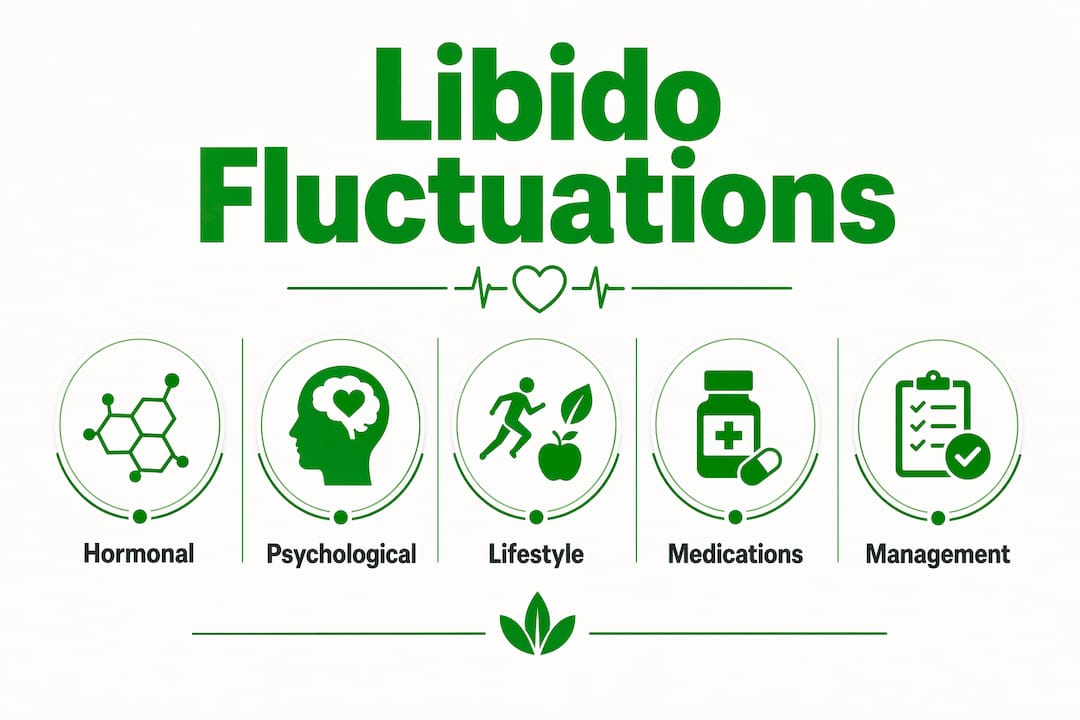
Key hormonal factors that influence men’s libido fluctuations include:
- Testosterone decline with age: gradual but cumulative from the mid-thirties onward
- Circadian rhythm: morning peaks and evening troughs in testosterone output
- Bioavailable vs total testosterone: free testosterone drives desire more directly
- Thyroid and cortisol imbalance: secondary hormones that can suppress sexual drive
- Oestrogen levels: elevated oestrogen in men, often linked to obesity, suppresses testosterone
Pro Tip: Ask your GP to test both total and free testosterone, and always schedule the blood draw before 10am after an overnight fast. A single random test can be misleading due to normal daily fluctuations.
What psychological and relational factors cause libido changes?
The brain is the most powerful sexual organ, and its state directly shapes desire. The Dual Control Model of sexual response describes two competing systems: the Sexual Excitation System, which acts like an accelerator, and the Sexual Inhibition System, which acts like a brake. Libido rises when excitation outweighs inhibition, and falls when the reverse is true.
Chronic stress raises cortisol, which directly suppresses the excitation pathways until the brain perceives safety again. A man under sustained work pressure, financial strain, or emotional conflict will find his inhibition system running at full strength. His libido drops not because of a physical problem, but because his nervous system has deprioritised reproduction in favour of survival.
“Libido is not fixed. Psychological health, relationships, and stress modulate desire significantly beyond biology.” — UP to Well
Relationship strain and emotional distance are among the most common drivers of perceived libido loss in men. When trust erodes or communication breaks down, desire follows. This form of libido reduction is relational rather than physiological, and it responds to relational repair rather than medical treatment.
Anxiety, depression, and fatigue all increase inhibitory signals in the brain. Men experiencing these conditions often interpret the resulting libido drop as a permanent physical problem. Recognising the psychological origin is both accurate and reassuring, because psychological causes are treatable.
Which lifestyle factors can cause male libido to vary?
Sleep is one of the most underestimated drivers of men’s libido fluctuations. Sleep deprivation reduces testosterone by 10–15% within a single week. That reduction is enough to produce a noticeable drop in sexual desire, energy, and confidence.

Lifestyle diseases compound the problem significantly. Obesity, type 2 diabetes, and sedentary behaviour all contribute to declining testosterone and reduced libido. These conditions impair blood flow, disrupt hormonal balance, and lower energy levels across the board.
The lifestyle factors most strongly linked to libido variation in men are:
- Poor sleep quality or duration: directly suppresses testosterone production within days
- Physical inactivity: reduces testosterone, circulation, and overall vitality
- Obesity: elevates oestrogen and lowers free testosterone simultaneously
- Poor diet: nutrient deficiencies, particularly zinc and vitamin D, impair hormone synthesis
- Alcohol and smoking: both damage vascular function and hormonal output over time
The good news is that these are modifiable. Regular physical activity, particularly resistance training, supports testosterone production. Eating natural aphrodisiac foods rich in zinc, magnesium, and antioxidants gives the body the raw materials it needs for healthy hormone function. Small, consistent changes in sleep and nutrition produce measurable improvements in libido within weeks.
How do medications affect libido in men?
Prescription medications are a frequently overlooked cause of libido issues in men. SSRIs, beta-blockers, antihistamines, and opioids can all dampen sexual desire by altering hormone levels, disrupting nerve signals, or causing fatigue. The effect is real, but it is also often reversible.
Common drug classes linked to reduced libido include:
- SSRIs and SNRIs: antidepressants that reduce serotonin-driven sexual response
- Beta-blockers: used for blood pressure; reduce testosterone and cause fatigue
- Opioid painkillers: suppress testosterone production with prolonged use
- Antihistamines: some older formulations cause sedation and reduced arousal
- Finasteride: used for hair loss or prostate issues; directly affects testosterone metabolism
The mechanism varies by drug class. SSRIs blunt dopamine pathways that drive desire. Beta-blockers reduce energy and testosterone. Opioids suppress the hypothalamic-pituitary axis, which controls testosterone release. Understanding the mechanism helps men and their doctors find the right solution.
Physicians can often adjust or substitute medications causing libido loss without compromising the primary health treatment. This option is underused because many men do not report the side effect, assuming it is permanent or unrelated.
Pro Tip: Keep a simple log of when your libido changed and which medications you started around that time. Bring this to your GP. A medication review is often the fastest route to resolving drug-related libido loss.
What practical approaches help men manage libido fluctuations?
Understanding what affects male libido is only useful if it leads to action. Tracking your libido patterns over two to four weeks gives you and your doctor objective information rather than vague impressions. Note sleep quality, stress levels, exercise, and desire on the same days. Patterns emerge quickly.
Open communication with your partner reduces the relational inhibition that compounds libido loss. Many men avoid the conversation out of embarrassment, which allows emotional distance to grow. A direct, calm conversation about what you are experiencing often relieves pressure and restores connection.
Natural approaches to supporting libido include:
- Improving sleep: aim for 7–9 hours of consistent, quality sleep each night
- Resistance training: three sessions per week supports testosterone production
- Stress reduction: mindfulness, breathing exercises, and adequate rest lower cortisol
- Herbal support: proven herbal options such as ashwagandha, maca root, and African herbs have established traditional use for supporting male desire
- Nutritional support: zinc, vitamin D, and magnesium are the three nutrients most directly linked to testosterone synthesis
Medical evaluation is advisable when libido loss persists beyond four to six weeks without an obvious cause, when it is accompanied by fatigue, low mood, or erectile difficulty, or when it represents a significant change from your baseline. A GP can order the appropriate hormone panel and rule out underlying conditions such as hypogonadism or thyroid dysfunction. Explore natural testosterone support as a complement to medical advice, not a replacement for it.
Key takeaways
Male libido fluctuates due to a combination of hormonal, psychological, lifestyle, and medication-related factors, and most causes are identifiable and addressable with the right approach.
| Point | Details |
|---|---|
| Hormones drive daily variation | Testosterone peaks in the morning and declines with age at roughly 1% per year from the thirties. |
| Psychology shapes desire as much as biology | Stress, anxiety, and relationship strain activate the brain’s inhibition system and suppress libido. |
| Sleep loss hits testosterone fast | Just one week of poor sleep can reduce testosterone by 10–15%, directly lowering sexual desire. |
| Medications are a reversible cause | SSRIs, beta-blockers, and opioids commonly reduce libido, but a medication review often resolves the issue. |
| Lifestyle changes produce real results | Resistance training, improved nutrition, and consistent sleep measurably support testosterone and libido. |
What I have learned about libido that most articles miss
I have spent years reading the clinical literature on male sexual health, and the single biggest mistake men make is treating libido as a fixed number that should never change. It is not. It is a dynamic signal that reflects everything happening in your body and mind on any given day.
The Dual Control Model changed how I think about this entirely. Most men assume low desire means something is broken. The model shows that desire is always the result of two competing forces. Sometimes the brakes are simply on too hard because of stress, exhaustion, or emotional disconnection. That is not a malfunction. It is your nervous system doing exactly what it is designed to do.
What I find most encouraging is how many of the causes are modifiable. Sleep, exercise, nutrition, stress management, and honest conversations with a partner address the majority of libido variation reasons without a single prescription. Testosterone decline is real, but it is rarely the whole story. The men who do best are those who look at the full picture rather than fixating on one number from a blood test.
My honest advice: do not catastrophise a temporary dip. Track it, understand it, and address the most obvious contributing factor first. The ripple effect of one positive change, whether that is better sleep or a resolved argument, on desire is often immediate and significant.
— Ayomide
Gear1 and natural support for men’s libido
Libido fluctuations respond well to consistent, natural support alongside lifestyle changes. Gear1 is a non-alcoholic herbal drink made from African roots and herbs with a long tradition of supporting male sexual health, including libido, stamina, and erection strength.
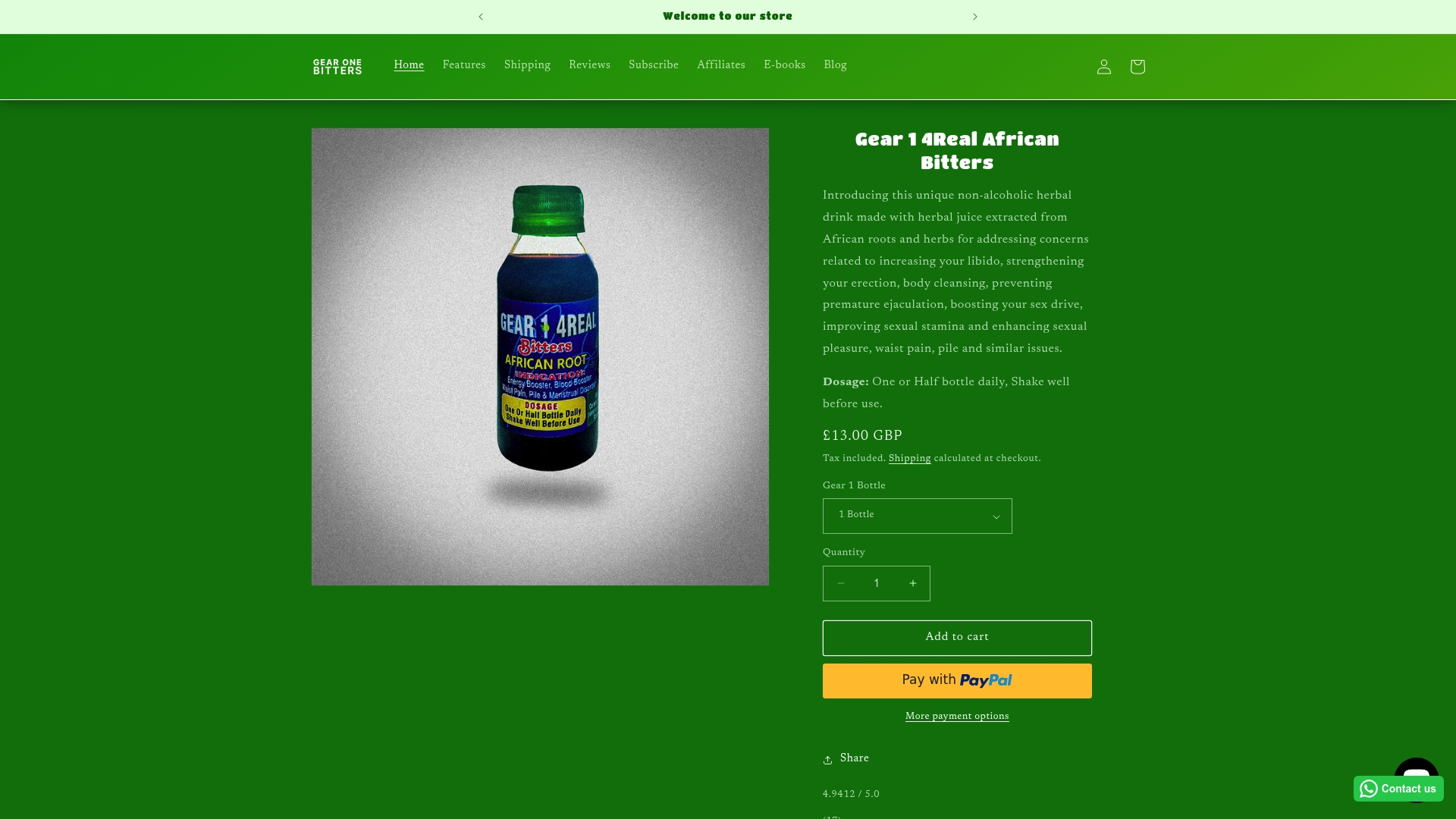
Gear1 is formulated to address the full picture of men’s sexual wellbeing, from desire and drive to body cleansing and premature ejaculation. The ingredients are drawn from African herbal traditions with established use in supporting hormonal balance and vitality. If you want to understand exactly what goes into it, the full ingredient list is publicly available. Gear1 works best as part of a consistent approach that includes good sleep, movement, and nutrition. Go ahead and give your body the support it deserves.
FAQ
What is the most common cause of low libido in men?
Stress, poor sleep, and relationship strain are the most common causes of low libido in men. Hormonal decline plays a role, but psychological and lifestyle factors account for the majority of cases.
Does testosterone always cause libido fluctuations?
Testosterone influences libido but is not the sole cause of fluctuations. Psychological state, medication use, and lifestyle factors all modulate desire independently of testosterone levels.
How quickly can libido return after addressing the cause?
Libido improvements from lifestyle changes or medication adjustment can occur within weeks. Hormonal therapy, when clinically appropriate, also produces libido improvements within weeks of starting treatment.
When should a man see a doctor about libido changes?
A man should seek medical advice when libido loss persists for four to six weeks without a clear cause, or when it is accompanied by fatigue, low mood, or difficulty with erections.
Can natural herbs genuinely support male libido?
Yes. Herbs such as ashwagandha, maca root, and various African botanicals have established traditional use for supporting male desire and hormonal balance, and several have clinical evidence supporting their effects.
Recommended
- What causes low sex drive in men: a clear guide – Gear 1 4Real African Bitters
- What is male libido? A complete guide for men – Gear 1 4Real African Bitters
- Why men lose sexual interest: causes and solutions – Gear 1 4Real African Bitters
- How to increase male libido naturally: 2026 guide – Gear 1 4Real African Bitters
About Gear 1 4Real African Bitters — a non-alcoholic herbal bitters made from African root and herb extracts, blended to a traditional recipe rooted in generations of use. See the product and full ingredients list.
Food supplement. Not intended to diagnose, treat, cure or prevent any disease.