
Male libido is defined as a man’s overall sexual drive and motivation to seek sexual activity, governed by testosterone, brain chemistry, and psychological factors. Understanding this is not just reassuring. It is the first step towards doing something meaningful about it. Healthline confirms there is no numeric measurement for libido. Changes are described simply as increased or decreased desire, which means your experience is always personal and contextual. This guide explains the biology behind male sex drive, how it shifts across a lifetime, what separates it from erectile function, and what you can do to support it.
What is male libido and what drives it?
Male libido refers to the psychological and physiological urge that motivates a man to pursue sexual activity. It is not a single hormone or a single brain region. It is the combined output of your endocrine system, your nervous system, and your mental state working together.
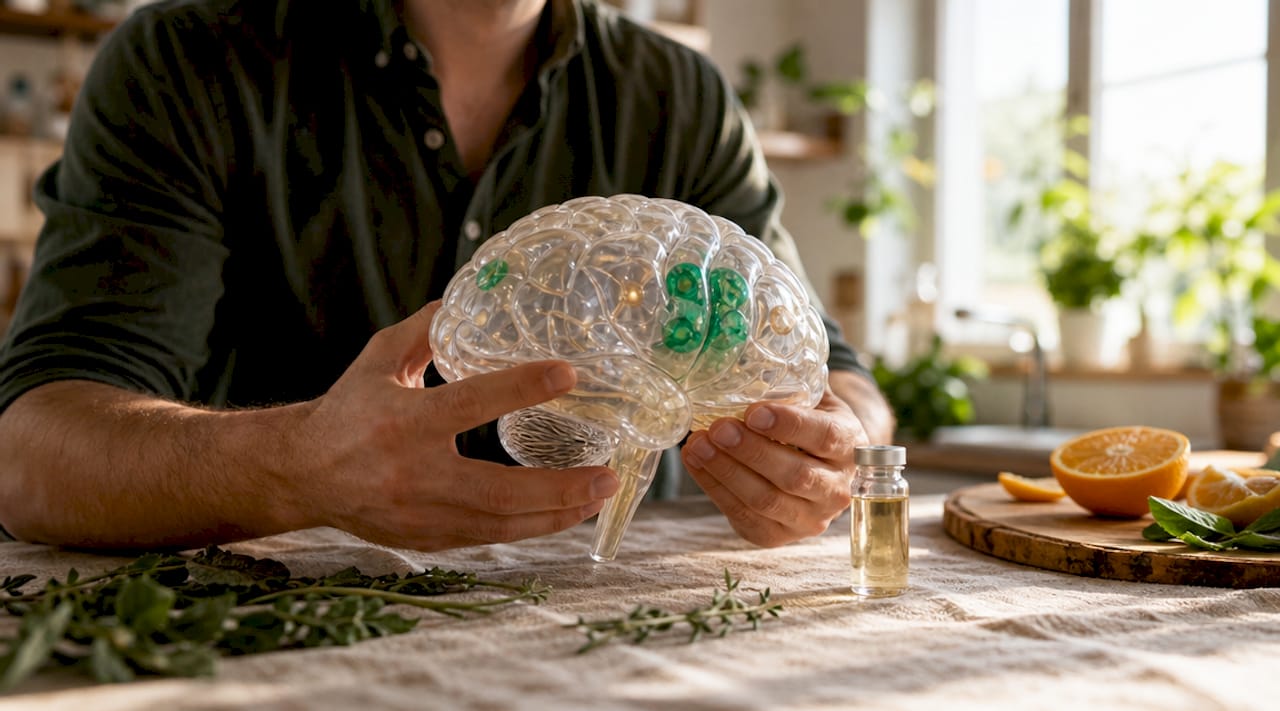
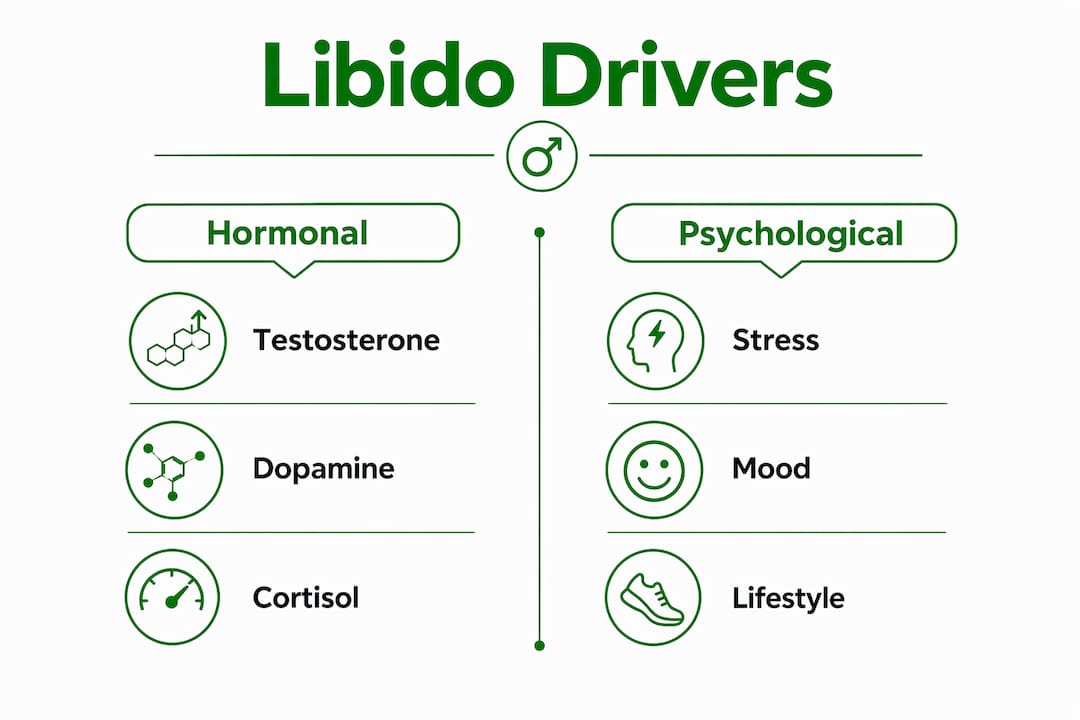
Testosterone is the primary hormonal fuel for male sexual desire. When testosterone binds to receptors in the brain, particularly in the limbic system and cerebral cortex, it activates circuits associated with motivation and reward. Dopamine reinforces this by creating anticipation and pleasure, while serotonin and prolactin act as natural moderators that can dampen desire when elevated. The role of testosterone in this process is significant, but it is not the whole story.
Psychological factors carry equal weight. Stress and elevated cortisol act as primary inhibitors, functioning as brakes on sexual desire by suppressing testosterone activity and redirecting mental focus away from intimacy. Mood disorders, anxiety, relationship tension, and fatigue all reduce libido through distinct neurological pathways. A man can have healthy testosterone levels and still experience low desire if his psychological state is working against him.
Pro Tip: If your desire has dropped noticeably, consider your stress load before assuming a hormonal problem. Cortisol and testosterone are in direct competition, and chronic stress nearly always wins.
Libido is also distinct from erectile function. Desire is the mental urge. Erection is the vascular and neural response. The two are related but operate through separate mechanisms, and confusing them leads to misdiagnosis and unnecessary worry.
How do male libido levels change with age?
Testosterone peaks in the late teens and begins a gradual decline after 30 at roughly 1 to 2 per cent per year. This decline is normal and does not automatically produce low libido, but it does shift the hormonal environment in ways that matter over time.
Ageing also raises sex hormone binding globulin (SHBG), a protein that binds to testosterone in the bloodstream and makes it unavailable to tissues. The result is that even when total testosterone appears normal on a blood test, bioavailable testosterone may be meaningfully lower. This is why a man in his fifties can have a “normal” reading and still experience reduced sexual motivation.
Libido also follows a diurnal rhythm. Testosterone is highest in the morning and declines through the day, which is why many men notice stronger desire earlier in the day. Blood test timing matters significantly here. A single afternoon reading can underestimate true hormone levels and lead to misleading conclusions.
| Life stage | Typical testosterone pattern | Likely libido impact |
|---|---|---|
| Late teens to mid-20s | Peak levels | Highest baseline desire |
| 30s | Gradual decline begins (1 to 2% per year) | Subtle reduction, often unnoticed |
| 40s | Continued decline, SHBG rising | More noticeable shifts in desire |
| 50s and beyond | Bioavailable testosterone notably lower | Greater variability, more context-dependent |
Normal libido naturally waxes and wanes with life circumstances. Persistent, distressing loss of desire that lasts several weeks or more is the threshold worth taking seriously. Occasional dips tied to stress, illness, or life changes are part of normal male experience.
Libido vs erectile dysfunction: what is the difference?
Libido and erectile dysfunction (ED) are two distinct conditions that men frequently conflate, and this confusion causes real harm. Libido is desire and motivation. Erectile function is the physical capacity to achieve and maintain an erection through vascular and neural mechanisms. A man can experience one problem without the other.
| Condition | Definition | Primary cause | Treatment focus |
|---|---|---|---|
| Low libido | Reduced desire or motivation for sex | Hormonal, psychological, relational | Testosterone, therapy, lifestyle |
| Erectile dysfunction | Difficulty achieving or maintaining erection | Vascular, neurological, medication-related | PDE5 inhibitors, vascular health |
A man with low testosterone may have reduced desire but retain the physical ability to achieve an erection when stimulated. Conversely, a man with cardiovascular disease may have strong desire but poor erectile response. Treating ED with medication like sildenafil does nothing for low libido, and addressing testosterone does not resolve vascular ED.
Pro Tip: When speaking to your GP, describe your experience precisely. “I have no interest in sex” and “I cannot maintain an erection” are different clinical presentations requiring different investigations.
The common mistake is assuming that any sexual difficulty is ED and self-treating accordingly. Men who notice a drop in desire without erection difficulties should consider hormonal and psychological causes first. Open communication with a clinician and with a partner is far more productive than guessing.
What causes low libido in men and when should you seek help?
Low libido affects up to 1 in 5 men at some point, making it one of the most common male health concerns. The causes span multiple body systems, which is why a single test rarely explains the full picture.
Common causes include:
- Hormonal imbalances: Low testosterone (male hypogonadism), elevated prolactin, and thyroid dysfunction all reduce sexual desire. Hypogonadism diagnosis requires both symptoms and confirmed low hormone levels, not one alone.
- Medications: Antidepressants (particularly SSRIs), antihypertensives, opioids, and some prostate medications are well-documented libido suppressants.
- Chronic health conditions: Cardiovascular disease, type 2 diabetes, obesity, and sleep apnoea all impair hormonal and vascular function in ways that reduce desire.
- Mental health: Depression is one of the strongest predictors of low libido. Anxiety, burnout, and unresolved relationship conflict also contribute significantly.
- Lifestyle factors: Poor sleep, excessive alcohol, sedentary behaviour, and a nutrient-poor diet create a hormonal environment that suppresses desire over time.
The clinical threshold for concern is persistence and distress. A dip in desire during a stressful period is normal. When reduced desire persists for several weeks, causes personal distress, or creates relationship difficulties, medical evaluation is warranted. A GP will typically assess hormone levels, screen for mood disorders, review medications, and consider underlying conditions before recommending treatment.
Understanding what causes low sex drive in men is the foundation for addressing it effectively. Self-diagnosing and self-treating without this understanding often delays real resolution.
Practical ways to improve male sexual desire naturally
Improving male libido naturally requires addressing the multiple systems that govern it. No single supplement or habit change works in isolation, but the combination of consistent lifestyle adjustments produces real, measurable results for most men.
-
Prioritise sleep. Testosterone is produced primarily during deep sleep. Men who sleep fewer than six hours per night show significantly reduced testosterone levels compared to those sleeping seven to nine hours. Protecting sleep quality is one of the highest-return actions you can take for hormonal health.
-
Exercise with resistance training. Compound movements such as squats, deadlifts, and bench press stimulate testosterone production acutely and chronically. Cardiovascular exercise improves vascular health, which supports both libido and erectile function. Aim for at least three sessions per week.
-
Manage stress actively. Cortisol suppresses testosterone. Practices such as mindfulness meditation, controlled breathing, and regular time outdoors reduce cortisol load and allow testosterone to function more effectively. Even 10 minutes of daily breathwork produces measurable cortisol reduction over time.
-
Review your nutrition. Zinc, vitamin D, and magnesium are directly involved in testosterone synthesis. Foods such as oysters, eggs, leafy greens, and fatty fish support hormonal production. Processed foods and excessive sugar impair insulin sensitivity, which in turn disrupts testosterone levels.
-
Explore herbal support. Specific herbal roots for male libido including ashwagandha, maca root, and African herbal extracts have demonstrated benefits for sexual desire and energy in clinical and observational studies. African traditional medicine has used these plants for centuries, and modern research is beginning to validate their mechanisms.
-
Communicate openly with your partner. Relationship tension and unspoken frustration are among the most underestimated libido suppressants. Regular, honest conversation about desire, expectations, and intimacy creates a psychological environment where sexual motivation can thrive.
Pro Tip: Before adding supplements, get a full hormonal panel including testosterone (total and free), SHBG, prolactin, and thyroid function. Supplementing without knowing your baseline is guesswork.
For a structured approach to increasing libido naturally, combining these strategies consistently over eight to twelve weeks produces the most reliable outcomes.
Key takeaways
Male libido is a multifactorial drive governed by testosterone, brain chemistry, psychological state, and lifestyle, and improving it requires addressing all of these systems together.
| Point | Details |
|---|---|
| Libido has no fixed number | Desire is personal and contextual; track changes relative to your own baseline, not a universal standard. |
| Testosterone declines with age | After 30, levels drop 1 to 2% per year; bioavailable testosterone falls further as SHBG rises. |
| Libido and ED are distinct | Low desire and erection difficulties have different causes and require different treatments. |
| Persistent loss warrants evaluation | When reduced desire lasts weeks and causes distress, a GP assessment covering hormones and mood is the right step. |
| Lifestyle changes work | Sleep, resistance training, stress management, and targeted nutrition all support hormonal health and sexual desire. |
My perspective on what men get wrong about libido
By Ayomide
The most common mistake I see men make is treating libido as a binary. Either it is working or it is broken. That framing misses the reality entirely. Libido is a spectrum that shifts daily based on sleep, stress, relationship dynamics, and physical health. The men who manage it best are the ones who understand their personal baseline rather than comparing themselves to an imagined standard.
There is also a persistent confusion between desire and performance. Men who notice a drop in sexual interest often assume they have erectile dysfunction and reach for performance aids. This is the wrong response to the wrong problem. Low desire is a signal from your body about your hormonal and psychological state. It deserves investigation, not suppression.
What I find genuinely encouraging is that daily testosterone fluctuations do not directly correspond to changes in sexual desire. This means libido is not simply a hormone reading. It is a whole-body state, and that gives you far more levers to pull than most men realise. Sleep, stress, connection, nutrition, and targeted herbal support all move the needle in ways that a single prescription cannot.
Be patient with yourself. Realistic improvement over eight to twelve weeks of consistent effort is far more sustainable than chasing quick fixes. And please, talk to your GP before self-diagnosing. The men who make the most progress are the ones who get the full picture first.
— Ayomide
Support your libido with Gear1 4Real herbal bitters
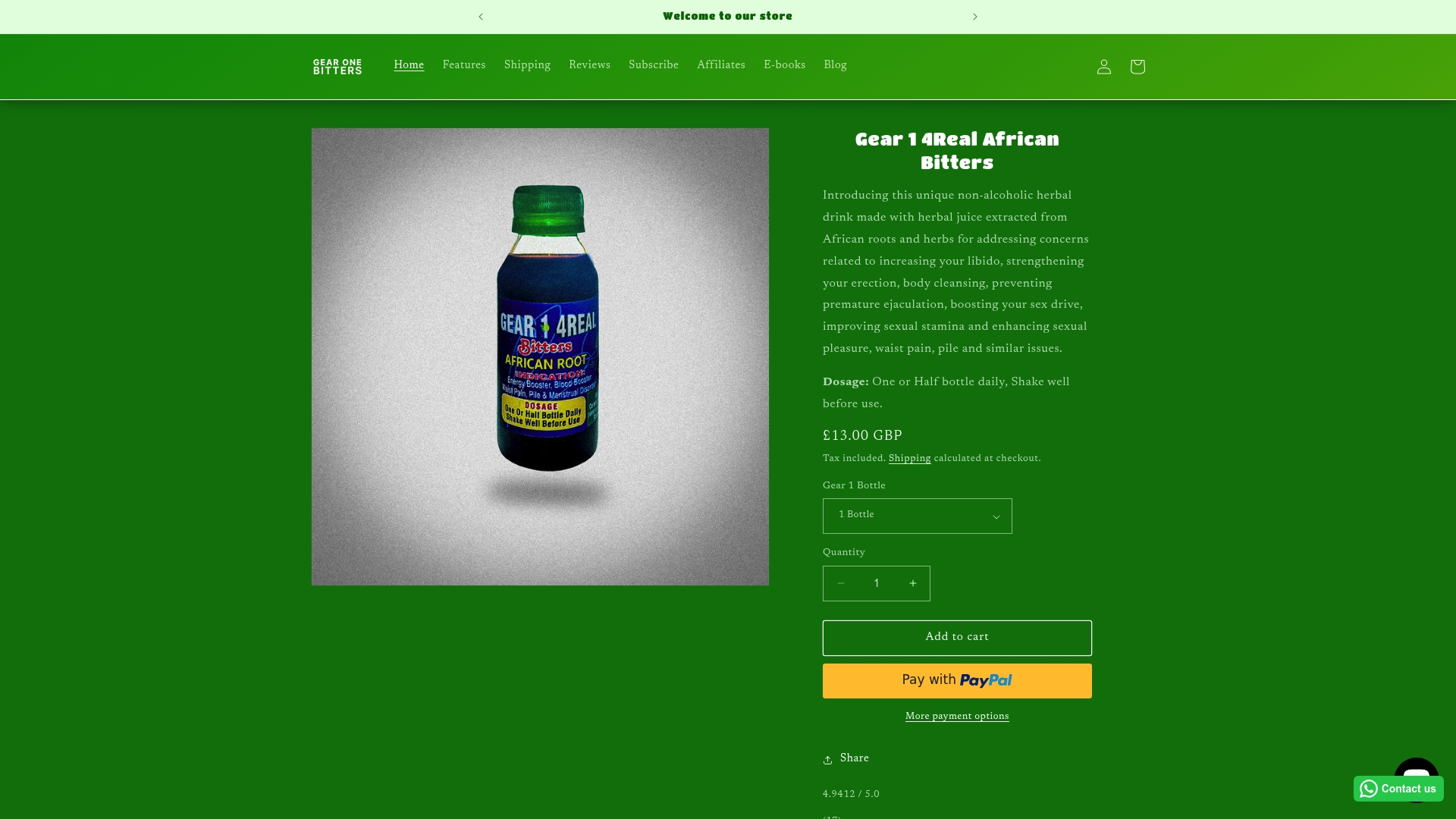
Gear1 4Real Herbal Bitters is a non-alcoholic herbal drink made from African roots and plant extracts traditionally used to support male sexual health. Its formulation targets libido, erection strength, sexual stamina, and premature ejaculation through a blend of botanicals with centuries of use in African herbal medicine. Gear1 works as a natural complement to the lifestyle strategies covered in this guide, not a replacement for clinical care, but a meaningful addition to a whole-body approach. Explore the full Gear1 4Real ingredients to understand what is in the formula and how each component supports your sexual health. You can also review the features and benefits to see how it fits your goals.
FAQ
What is male libido exactly?
Male libido is a man’s overall sexual drive and motivation to pursue sexual activity, shaped by testosterone, dopamine, psychological state, and lifestyle factors. There is no numeric measurement. Changes are described as increased or decreased desire relative to a personal baseline.
What are the signs of low libido in men?
The primary signs include reduced interest in sexual activity, fewer sexual thoughts, and decreased initiation of intimacy. When these persist for several weeks and cause personal distress or relationship difficulties, they meet the clinical threshold for evaluation.
Does testosterone directly control male libido?
Testosterone is the primary hormonal driver of male sexual desire, but daily testosterone changes do not directly correspond to daily shifts in libido. Psychological state, stress, sleep, and relationship factors all influence desire independently of hormone levels.
Can low libido be improved without medication?
Yes. Sleep quality, resistance training, stress reduction, nutritional support, and targeted herbal supplements all support hormonal balance and sexual desire. Clinical intervention is warranted when an underlying condition such as hypogonadism or depression is identified.
When should a man see a doctor about low libido?
A GP visit is appropriate when reduced desire is unexpected, persists for several weeks, causes distress, or affects a relationship. Clinical evaluation covers hormonal screening, mood assessment, medication review, and investigation of underlying health conditions.
Recommended
- How to increase male libido naturally: 2026 guide – Gear 1 4Real African Bitters
- What causes low sex drive in men: a clear guide – Gear 1 4Real African Bitters
- The role of testosterone in sex drive: men’s guide – Gear 1 4Real African Bitters
- Herbal roots for male libido: top 6 proven options – Gear 1 4Real African Bitters