
Declining sexual desire is something many men experience but few talk about openly. If your libido has taken a dip, you are not alone, and you are not stuck. The good news is that there are real, evidence-based ways to increase male libido naturally, without relying on pharmaceuticals or unproven shortcuts. This guide covers the lifestyle foundations, exercise protocols, nutrition strategies, and herbal supplements that genuinely move the needle. You will also learn how to avoid the common mistakes that quietly undermine progress, so you can restore your vitality and confidence at a pace that lasts.
Table of Contents
- Key takeaways
- Lifestyle foundations to increase male libido naturally
- Exercise protocols that boost testosterone
- Nutrition and supplements for male libido
- Avoiding mistakes and staying consistent
- My perspective on natural libido enhancement
- Gear1 and your natural vitality journey
- FAQ
Key takeaways
| Point | Details |
|---|---|
| Sleep is non-negotiable | Getting fewer than 7 hours per night measurably reduces testosterone and sexual desire. |
| Resistance training works | Heavy compound lifts trigger the strongest natural testosterone spikes of any exercise type. |
| Diet fuels hormones | Healthy fats and zinc-rich foods are direct building blocks for testosterone production. |
| Supplements need a foundation | Herbs and supplements deliver their best results when lifestyle habits are already in place. |
| Consistency beats quick fixes | Natural libido improvements typically take 2 to 6 weeks of sustained effort to show up reliably. |
Lifestyle foundations to increase male libido naturally
Before reaching for any supplement or herb, the fundamentals of daily living have to be right. Think of these as the soil in which everything else grows. Without them, even the best natural libido boosters will underperform.
Sleep. This is where testosterone production peaks. Research shows that sleeping only 5 hours reduces testosterone by roughly 15%, while each additional hour up to the 7 to 9 hour range adds it back at a similar rate. Poor sleep does not just leave you tired. It directly suppresses the hormonal signals that drive sexual desire. Prioritising 7 to 9 hours of quality sleep each night is one of the most powerful and underused tools for male sexual health.
Stress management. Chronic stress raises cortisol, and elevated cortisol actively suppresses testosterone and libido signalling pathways. When your body is in a prolonged stress state, it deprioritises reproduction in favour of survival. Practical stress reduction methods include daily physical activity, mindfulness or breathing exercises, reducing screen time before bed, and protecting time for genuine rest and social connection. These are not soft suggestions. They are hormonal interventions.
Body weight. Men with body fat above 25% experience elevated aromatase activity, an enzyme that converts testosterone into oestrogen. The result is lower bioavailable testosterone and reduced libido. Losing even 5 to 10% of body weight through diet and exercise can meaningfully shift this balance in your favour.
Alcohol and smoking. Both suppress testosterone production and impair blood flow. Moderate alcohol consumption is unlikely to cause lasting damage, but regular heavy drinking is a consistent libido suppressor. Smoking compounds the problem by reducing vascular health, which directly affects erectile function and sexual energy.
- Aim for 7 to 9 hours of sleep per night
- Practise daily stress reduction (breathing, exercise, or mindfulness)
- Keep body fat below 25% to protect testosterone levels
- Limit alcohol to moderate amounts and avoid smoking
Pro Tip: If you can only change one habit this week, make it sleep. No supplement replaces the hormonal restoration that happens during deep sleep cycles.
Exercise protocols that boost testosterone
Physical activity is one of the most reliable ways to boost testosterone naturally, but the type and intensity of training matters enormously.
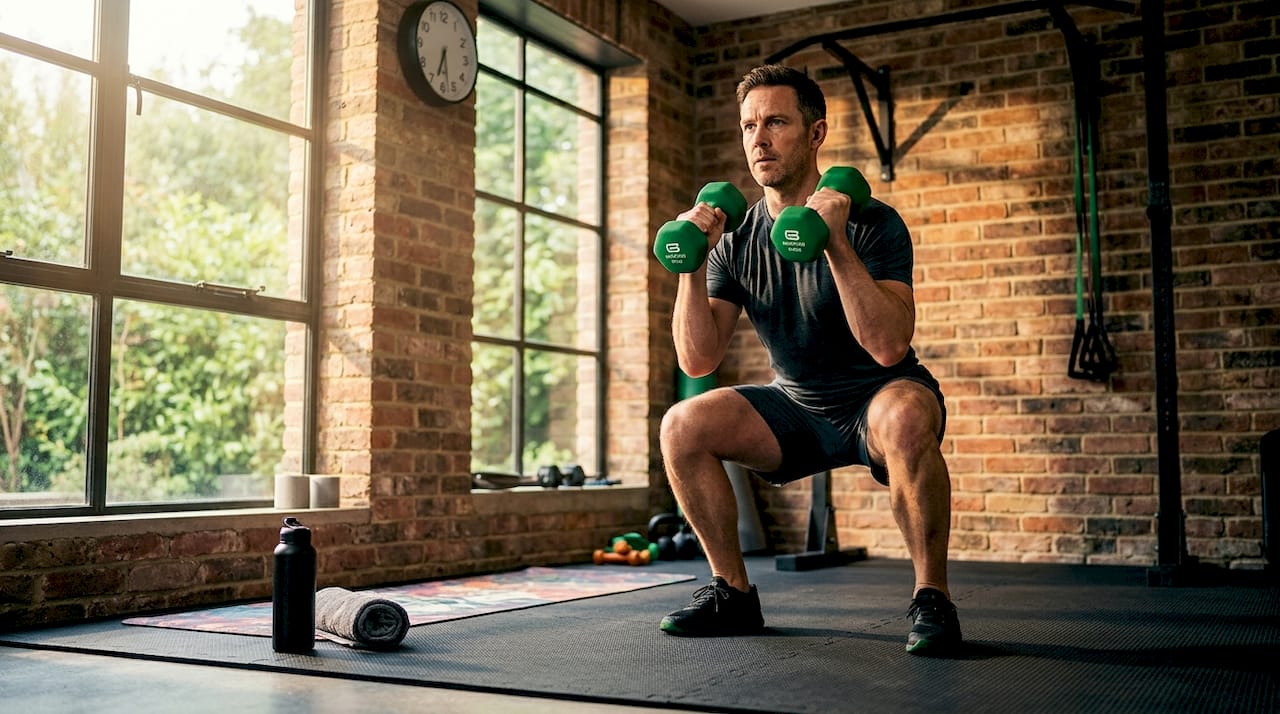
Resistance training is the clear leader. Heavy compound lifts using large muscle groups, such as squats, deadlifts, bench press, and rows, trigger the strongest natural testosterone and libido responses. The recommended protocol is 3 to 5 sets of 5 to 10 repetitions at 70 to 85% of your one-rep maximum. This is not about bodybuilding aesthetics. It is about sending a hormonal signal that your body needs to produce more testosterone to meet the physical demand.
Here is a practical weekly structure to follow:
- Monday. Lower body resistance training. Squats and Romanian deadlifts as the primary movements.
- Wednesday. Upper body resistance training. Bench press, rows, and overhead press.
- Friday. Full body or lower body focus again. Deadlifts, lunges, and accessory work.
- Tuesday or Thursday. Moderate cardio or HIIT session (20 to 30 minutes). This supports cardiovascular health, which is directly linked to erectile function and sexual stamina.
- Weekend. Active recovery. Walking, swimming, or light stretching.
One important caution: excessive endurance training, such as running 60 or more miles per week, can actually reduce testosterone over time. The body interprets prolonged aerobic stress as a signal to conserve energy, which suppresses reproductive hormones. Moderate cardio is beneficial. Extreme volumes are counterproductive.
Lifestyle improvements combining resistance training, sleep optimisation, and fat reduction can increase testosterone by 15 to 30% in men with baseline levels between 400 and 600 ng/dL. That is a meaningful gain without a single prescription.
Pro Tip: Do not skip leg day for hormonal reasons, not just aesthetic ones. Squats and deadlifts engage the largest muscle groups in the body and produce the biggest testosterone response per session.
Nutrition and supplements for male libido
What you eat directly shapes your hormonal environment. Testosterone is synthesised from cholesterol, which means dietary fat is not the enemy. Dietary fat comprising 25 to 40% of total calories is necessary for healthy testosterone production. Extremely low-fat diets consistently suppress natural hormone output.
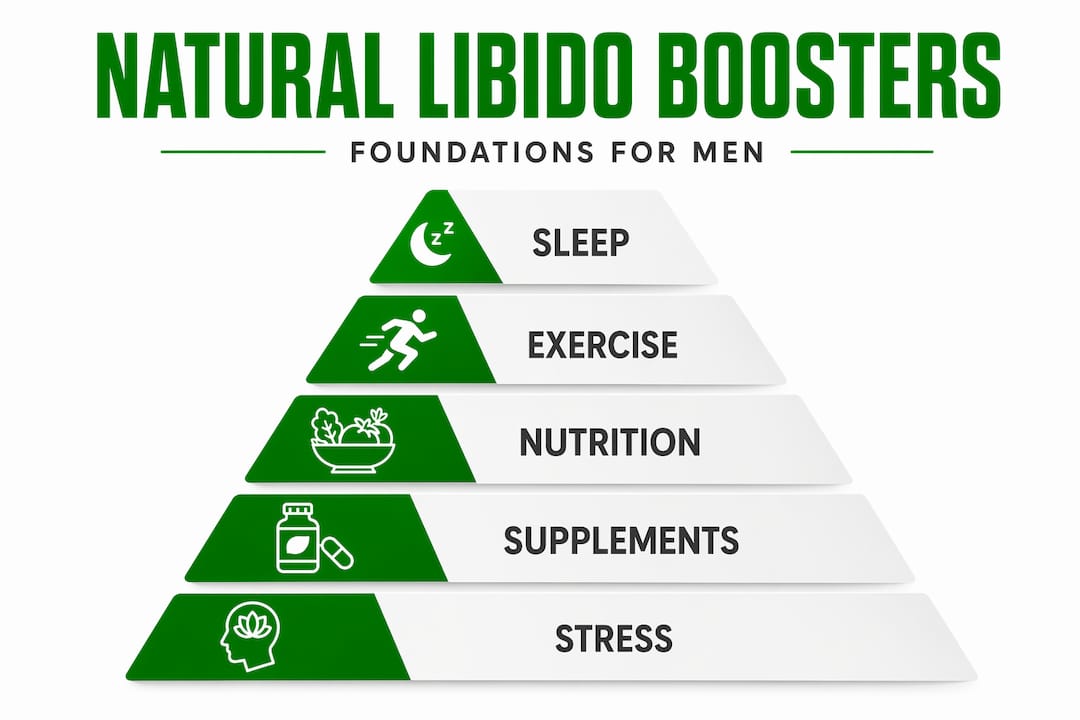
The best foods for male libido include fatty fish such as salmon and mackerel (rich in omega-3s and vitamin D), eggs, nuts and seeds (zinc and healthy fats), leafy green vegetables (magnesium), and oysters (the highest dietary source of zinc). Zinc is particularly significant because it directly supports testosterone synthesis and sperm production.
When it comes to supplements, the evidence supports several well-studied options. Supplements like L-Arginine, Ashwagandha, Maca, and Zinc each offer targeted benefits for blood flow, hormonal support, stress reduction, and libido enhancement.
| Supplement | Primary benefit | Typical daily dose |
|---|---|---|
| Ashwagandha | Reduces cortisol, supports testosterone | 300 to 600 mg |
| Maca root | Increases libido and sexual energy | 1,500 to 3,000 mg |
| Zinc | Supports testosterone synthesis | 25 to 45 mg |
| L-Arginine | Improves blood flow and erection quality | 3,000 to 6,000 mg |
| Fenugreek | Supports free testosterone levels | 500 to 600 mg |
| Vitamin D3 | Increases testosterone by up to 25% over 12 months | 3,000 IU |
Herbs for sexual health have a long history of traditional use, and several are now supported by clinical research. Ashwagandha is an adaptogenic herb that lowers cortisol and has been shown to improve testosterone levels and sexual satisfaction in men. Maca root, originally from the Peruvian Andes, does not directly raise testosterone but consistently improves libido scores in clinical trials. Tribulus terrestris supports sexual desire through mechanisms separate from testosterone, making it a useful addition to a broader natural approach.
The combination of a nutrient-dense diet with targeted supplementation creates a synergistic effect. Neither works as well in isolation. Supplements amplify what good nutrition starts.
Avoiding mistakes and staying consistent
Knowing what to do is only half the challenge. The other half is applying it correctly and avoiding the traps that slow most men down.
Supplements alone have minimal benefit without foundational lifestyle changes in place, and improvements typically take 2 to 6 weeks to manifest consistently. This timeline frustrates men who expect results within days. Managing that expectation honestly is what separates those who succeed from those who give up.
Here are the most common mistakes to avoid:
- Relying on a single fix. No single food, herb, or supplement will restore libido on its own. The approach must be multi-layered.
- Inconsistent sleep. Sleeping well five nights and poorly two nights still disrupts the hormonal rhythm your body needs.
- Over-restrictive dieting. Crash diets that cut fat too aggressively suppress testosterone. Sustainable caloric deficits work far better.
- Excessive alcohol. Even a few heavy drinking sessions per week can measurably blunt testosterone production.
- Ignoring persistent symptoms. Low testosterone below 300 ng/dL typically requires medical evaluation beyond lifestyle changes. If you have been consistent for 8 to 12 weeks and still experience low libido, fatigue, and loss of morning erections, a blood test is the right next step.
Unregulated supplements from unverified sources carry real risks. Stick to products with clear ingredient lists and transparent sourcing. If a product promises dramatic results in 24 hours, it is not a natural libido booster. It is a marketing claim.
When symptoms like fatigue and low libido persist despite lifestyle changes, a clinician can assess whether underlying conditions such as hypogonadism or thyroid dysfunction are contributing. Self-diagnosis delays appropriate care.
My perspective on natural libido enhancement
I have spent years observing what actually works for men trying to improve their sexual health naturally, and the pattern is always the same. The men who see lasting results are not the ones chasing the most exotic supplement stack. They are the ones who sorted out their sleep, trained consistently, and ate with some intention.
What I have found is that true vitality comes from fundamental habits rather than trendy hacks. The internet is full of “testosterone maxxing” content that sells complexity as a substitute for discipline. In my experience, a man who sleeps 8 hours, lifts three times a week, and eats enough protein and fat will outperform the man taking six different supplements on four hours of sleep every single time.
The harder truth is that motivation fluctuates. There will be weeks when consistency feels difficult. What I have learned is that the foundation habits, sleep especially, are the ones worth protecting first. Everything else builds on top of them.
I also think there is something worth saying about the relational side of this. Restoring libido is not just about hormones. It is about showing up with energy and confidence in your relationship. That ripple effect of confidence touches more than just the bedroom. It changes how you carry yourself day to day. That matters.
— Ayomide
Gear1 and your natural vitality journey
If you are serious about taking a natural approach to male sexual health, Gear1 offers something genuinely different. Gear1 is a non-alcoholic herbal drink made from African roots and herbs, formulated to support libido, erection strength, sexual stamina, and body cleansing without synthetic compounds.
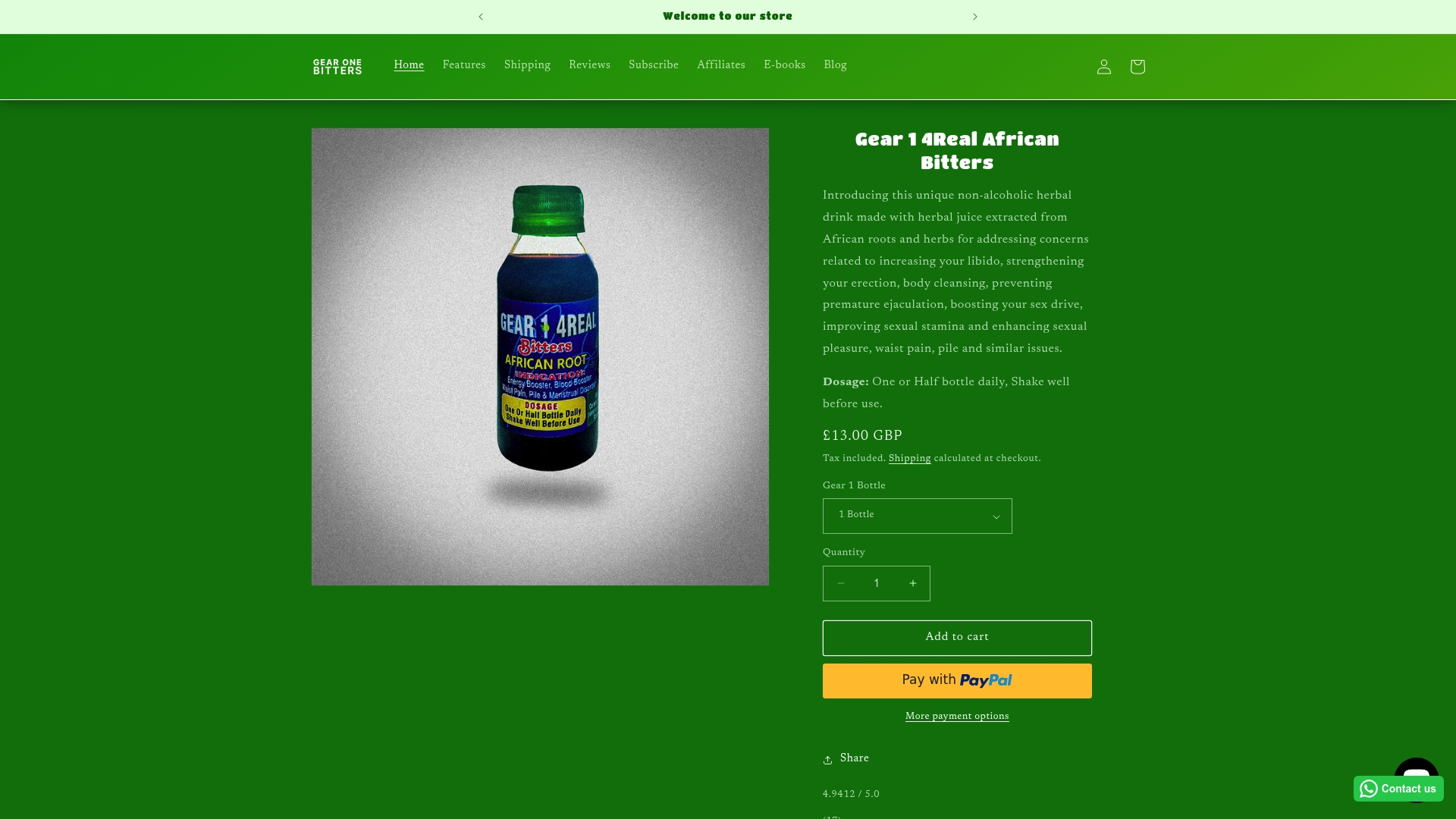
What makes Gear1 worth considering alongside the lifestyle strategies in this guide is its foundation in traditional African herbal medicine. These are not generic supplement blends. You can explore the full list of herbal ingredients used in the formulation to understand exactly what you are taking and why. For men who want to go further, the Gear1 African Bitters product page gives you the complete picture on how it supports male sexual health naturally. Gear1 is designed to complement the habits you are already building, not replace them. Go ahead and explore what a traditional herbal approach can add to your results.
FAQ
What is the fastest natural way to increase male libido?
Improving sleep quality to 7 to 9 hours per night produces the fastest measurable hormonal shift, as even one week of better sleep can noticeably improve testosterone levels and sexual desire.
Which foods are best for male libido?
Fatty fish, eggs, oysters, nuts, seeds, and leafy green vegetables are among the top foods for male libido because they supply zinc, healthy fats, vitamin D, and magnesium, all of which support testosterone production.
How long does it take for natural libido boosters to work?
Most natural approaches take 2 to 6 weeks of consistent effort before improvements become reliable, as the body needs time to restore hormonal balance through sustained lifestyle changes.
When should I see a doctor about low libido?
If low libido persists after 8 to 12 weeks of consistent lifestyle changes, or if it is accompanied by fatigue and loss of morning erections, a blood test to assess testosterone levels is recommended.
Can herbs really help with male sexual health?
Yes. Adaptogenic herbs such as Ashwagandha and Maca root have clinical evidence supporting their role in reducing cortisol, improving libido scores, and supporting hormonal balance in men.
Recommended
- Become Desirable: Master Your Partner In The Bedroom – Gear 1 4Real African Bitters
- Bedroom Secrets: Tips For Igniting Marital Intimacy – Gear 1 4Real African Bitters
- Become Desirable: Master Your Partner In The Bedroom (FREE VERSION) – Gear 1 4Real African Bitters
- Natural Treatment For Anxiety Stress – Gear 1 4Real African Bitters