
Loss of sexual interest in men, clinically termed hypoactive sexual desire disorder (HSDD) when persistent, is defined as a marked reduction in motivation or desire for sexual activity that causes personal distress. NHS Inform confirms that libido loss is almost always multifactorial, meaning stress, hormonal shifts, medical conditions, and relationship dynamics typically combine rather than act alone. Understanding why men lose sexual interest is the first step toward addressing it with confidence. The causes are real, they are identifiable, and most of them respond well to the right approach.
Why do men lose sexual interest? The hormonal picture
Testosterone is the hormone most men associate with sex drive, and its role is real but frequently overstated. Testosterone declines roughly 1% per year from ages 30 to 40 as a normal part of ageing, yet this gradual reduction alone rarely explains a significant drop in libido. Clinicians now assess testosterone only after ruling out other causes, and treatment is reserved for men who fall below established clinical thresholds for deficiency. Jumping straight to hormone therapy without a full assessment is one of the most common mistakes men make.
Beyond testosterone, other hormonal conditions contribute meaningfully to the causes of male sexual decline. An underactive thyroid (hypothyroidism) slows the entire metabolic system, reducing energy, mood, and desire simultaneously. Hyperprolactinaemia, a condition where the pituitary gland produces excess prolactin, directly suppresses testosterone production and is often missed without specific blood testing.
Sleep is perhaps the most underappreciated hormonal lever. Obstructive sleep apnoea is a common but underdiagnosed cause of low testosterone because the body produces most of its testosterone during uninterrupted deep sleep. Fragmented sleep disrupts this nocturnal rise, suppressing hormone levels regardless of what time blood is drawn for testing. Men who snore heavily, wake with headaches, or carry excess weight around the neck should be screened for sleep apnoea before any hormone treatment is considered.
- Testosterone decline of 1% per year from age 30 is normal and rarely the sole cause of libido loss
- Hypothyroidism and hyperprolactinaemia are hormonal conditions that suppress desire independently of testosterone
- Sleep fragmentation directly disrupts nocturnal testosterone production, linking poor sleep to reduced sex drive
- Clinical blood tests are needed to distinguish normal ageing from pathological hormone deficiency
Pro Tip: If you suspect a hormonal cause, ask your GP for a full hormonal panel including thyroid function, prolactin, and total testosterone, not just a single testosterone reading. Context and timing matter enormously in interpreting results.
What psychological factors cause men to stop feeling attracted?
Stress, depression, and loneliness lower sex drive more significantly than low testosterone in many men, yet they are far less likely to be investigated first. The mind and body are not separate systems when it comes to desire. When the brain is preoccupied with financial pressure, work demands, or grief, it deprioritises reproduction at a neurochemical level. This is not weakness. It is biology responding rationally to perceived threat.
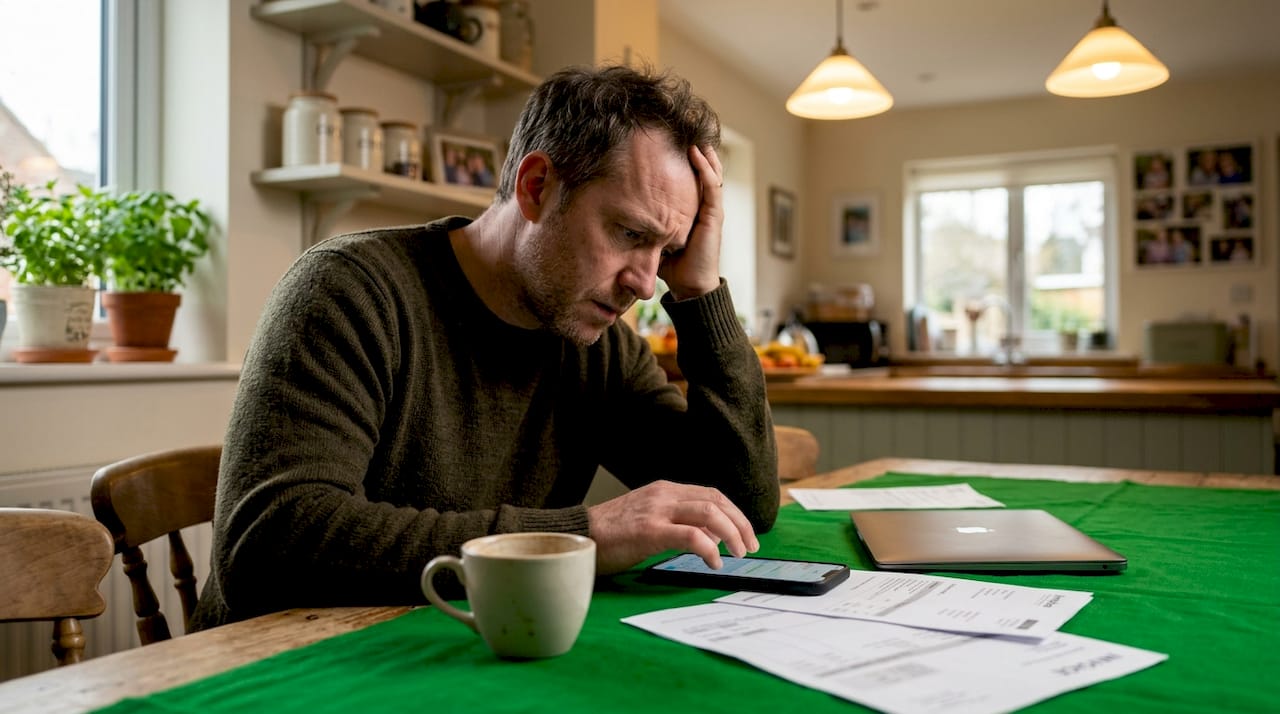
Depression deserves particular attention because it attacks desire through two distinct pathways. First, the condition itself causes anhedonia, a loss of pleasure in activities that once felt rewarding, and sex is no exception. Second, the most commonly prescribed antidepressants, selective serotonin reuptake inhibitors (SSRIs) such as sertraline and fluoxetine, list reduced libido as a frequent side effect. A man may feel emotionally better on medication while experiencing a new and confusing drop in sexual interest.
Anxiety, low self-esteem, and negative sexual beliefs form a third cluster of psychological contributors that are often rooted in past experiences. Body image concerns, fear of sexual failure, or unresolved trauma can create a mental environment where desire simply cannot take hold. Physical capability may be entirely intact, yet the psychological conditions for arousal are absent. This explains why understanding sexual disinterest in men requires looking well beyond blood tests.
Here are the most common psychological contributors to male libido decline, ranked by clinical frequency:
- Chronic stress from work, finances, or major life events that elevates cortisol and suppresses testosterone
- Depression, both through anhedonia and through the side effects of antidepressant medication
- Performance anxiety, which creates a self-reinforcing cycle where fear of failure reduces desire before any physical contact occurs
- Low self-esteem and body image concerns, which prevent men from feeling desirable or worthy of intimacy
- Unresolved trauma or negative sexual experiences, which associate intimacy with discomfort rather than pleasure
Pro Tip: Cognitive behavioural therapy (CBT) has strong clinical evidence for addressing libido loss rooted in anxiety and depression. If your GP rules out physical causes, ask for a referral to a psychosexual counsellor rather than waiting for the issue to resolve on its own.
How do lifestyle and medical conditions affect male desire?
Cardiovascular disease, diabetes, and obesity each reduce libido through distinct but overlapping mechanisms. Cardiovascular disease restricts blood flow, which affects both arousal and the physical experience of sex. Diabetes damages nerve endings and disrupts hormonal signalling. Obesity creates a particularly vicious cycle: excess visceral fat converts testosterone into oestrogen via a process called aromatisation, which further suppresses desire and energy. Weight loss and lifestyle improvements can reverse this form of secondary hypogonadism, making it one of the most modifiable causes of male sexual decline.
Medications are a frequently overlooked factor in men’s loss of libido. SSRIs, antihypertensives, and certain other drugs are well-documented libido suppressants, yet many men are never warned about this side effect at the point of prescription. Beta-blockers, spironolactone, and some prostate medications also carry this risk. If your libido dropped shortly after starting a new medication, that timing is clinically significant and worth discussing with your doctor.
| Lifestyle or medical factor | Mechanism of libido impact | Modifiable? |
|---|---|---|
| Obesity and metabolic syndrome | Aromatisation of testosterone to oestrogen, hormonal suppression | Yes, via weight loss |
| Cardiovascular disease | Reduced blood flow, fatigue, mood changes | Partially, via treatment |
| Type 2 diabetes | Nerve damage, hormonal disruption, fatigue | Partially, via management |
| SSRIs and antihypertensives | Direct neurochemical suppression of desire | Yes, via medication review |
| Poor sleep and sleep apnoea | Disrupted nocturnal testosterone production | Yes, via sleep treatment |
Alcohol and recreational drug use also reduce sexual interest over time, even when they appear to lower inhibitions in the short term. Chronic alcohol use suppresses testosterone production directly and damages liver function, which is critical for hormone metabolism. Fatigue, whether from overwork, poor nutrition, or sedentary behaviour, compounds every other factor on this list.
Do relationship dynamics explain why couples lose sexual interest?
Relationship context is one of the most powerful and least discussed factors affecting male desire. Long-term relationships can produce erotic dissatisfaction through over-familiarity, unresolved conflict, or a gradual erosion of emotional intimacy. This is not a sign that the relationship has failed. It is a sign that desire, unlike love, requires active cultivation and novelty to remain alive.
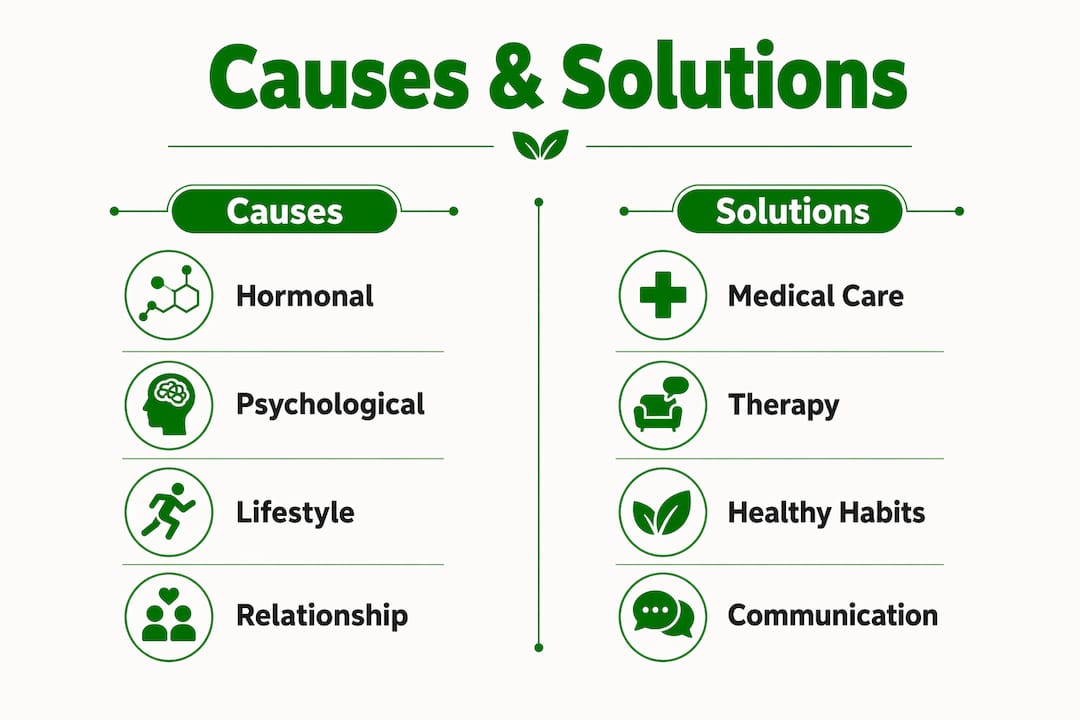
Emotional disconnection is a particularly strong predictor of declining desire in men. When communication breaks down or resentment builds, the psychological safety required for genuine sexual interest disappears. Men are often socialised to suppress emotional needs, which means relational distress frequently surfaces as reduced libido rather than as an explicit conversation about the relationship.
It is also worth distinguishing clearly between sexual desire decline and sexual performance issues, as these are separate problems that require different responses.
| Condition | Definition | Primary cause | Treatment focus |
|---|---|---|---|
| Reduced sexual desire | Low motivation or interest in initiating sex | Psychological, hormonal, relational | Counselling, lifestyle, hormonal review |
| Erectile dysfunction | Difficulty achieving or maintaining an erection | Vascular, neurological, psychological | Medical treatment, natural remedies |
| Premature ejaculation | Ejaculation occurring sooner than desired | Psychological, neurological | Behavioural therapy, medication |
Conflating these conditions leads to inappropriate self-treatment and delays proper care. A man who avoids sex due to fear of erectile dysfunction may appear to have lost desire, when the underlying issue is performance anxiety. Addressing the correct problem produces far better outcomes. Open communication with a partner and a frank conversation with a GP or psychosexual counsellor are the two most direct routes to clarity.
Key takeaways
Male libido loss is almost never caused by a single factor. Hormonal, psychological, lifestyle, and relational causes interact, and addressing them collectively produces the best outcomes.
| Point | Details |
|---|---|
| Testosterone is rarely the sole cause | Normal ageing decline of 1% per year rarely explains significant libido loss on its own. |
| Psychological factors are often primary | Stress, depression, and anxiety frequently suppress desire more than low hormone levels. |
| Sleep quality directly affects testosterone | Fragmented or insufficient sleep disrupts nocturnal testosterone production and reduces libido. |
| Medications can suppress desire | SSRIs, antihypertensives, and other drugs are common but overlooked causes of libido decline. |
| Relationship context shapes desire | Emotional disconnection and over-familiarity reduce sexual interest independently of physical health. |
What I have learned about men and sexual interest decline
By Ayomide
After years of working in men’s health and wellness, the pattern I see most consistently is this: men come looking for a hormonal fix when the real issue is sitting in their sleep, their stress levels, or their relationship. Testosterone gets the headlines because it is measurable, treatable, and feels like a concrete answer. But I have seen men with perfectly normal testosterone levels who have no interest in sex whatsoever, and men with clinically low levels who are perfectly satisfied with their desire.
The uncomfortable truth is that most men do not receive a proper biopsychosocial assessment when they report low libido. They get a single blood test, sometimes a prescription, and are sent on their way. The sleep apnoea goes undiagnosed. The depression is attributed to the low testosterone rather than the other way around. The relationship tension is never discussed at all.
What I would encourage you to do is resist the urge to self-diagnose and self-treat. The causes of low sex drive in men are genuinely complex, and the most effective approach addresses physical health, mental wellbeing, sleep quality, and relational intimacy together. That is not a complicated message. It is just one that requires honesty with yourself and, ideally, with a professional you trust.
— Ayomide
Support your sexual health naturally with Gear1
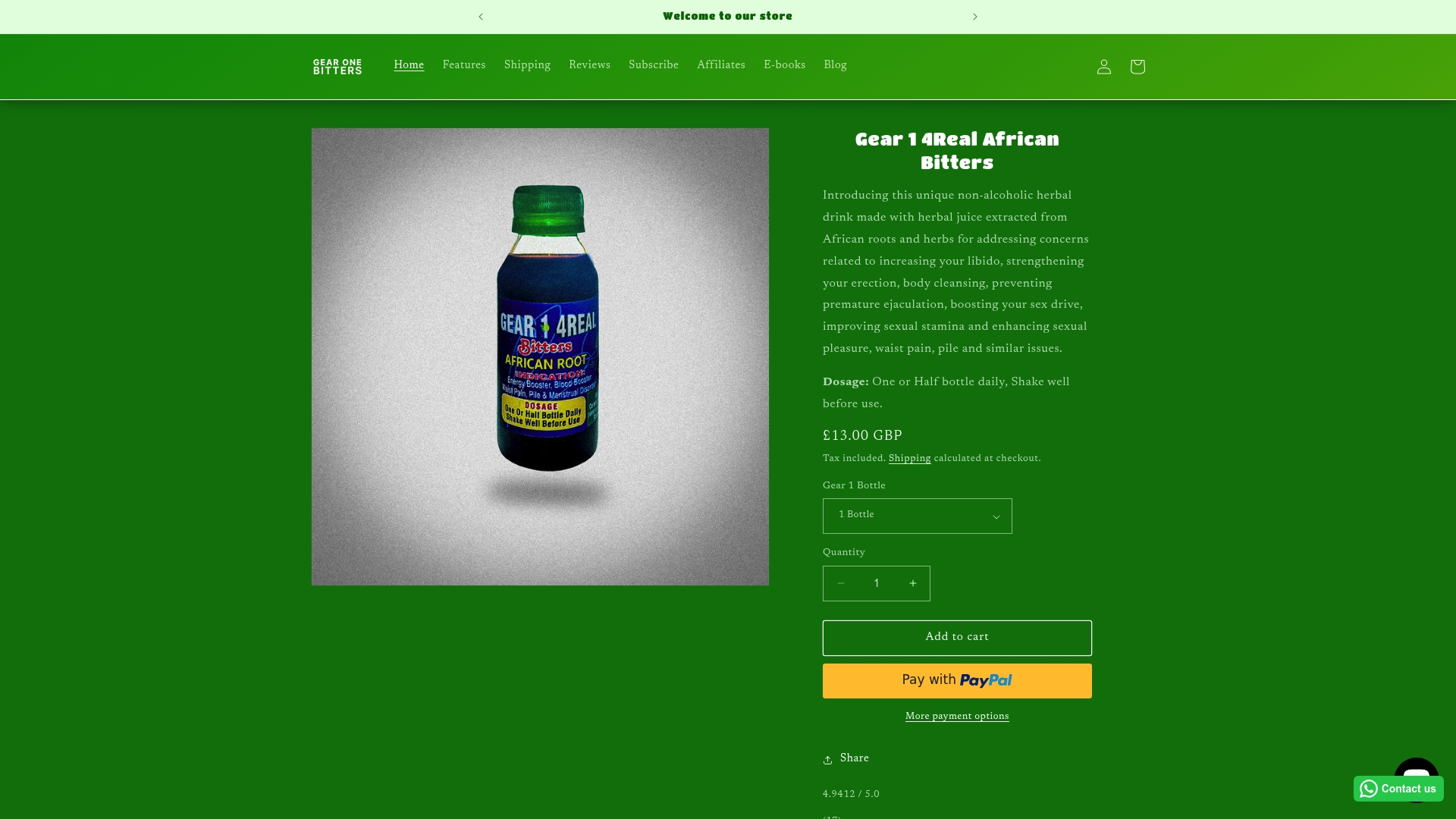
If you are looking to support your libido naturally while you work on the broader lifestyle and relational factors discussed above, Gear1 offers a practical starting point. Gear1 is a non-alcoholic herbal drink made from African roots and herbs, formulated to support male sexual vitality by addressing libido, sexual stamina, erection strength, and body cleansing. The herbal ingredients in Gear1 work with your body’s natural processes rather than against them. Gear1 is best used alongside professional guidance, not as a replacement for it. If you are ready to take a positive step, explore what Gear1 can do for you.
FAQ
What is the most common reason men lose sexual interest?
Libido loss in men is most commonly multifactorial, involving a combination of stress, relationship factors, depression, and medical conditions rather than a single cause. Testosterone deficiency is less frequently the primary driver than most men assume.
Can low testosterone alone explain a drop in sex drive?
Rarely. Testosterone declines approximately 1% per year from age 30 as a normal ageing process, and this gradual reduction alone does not typically account for significant libido loss. Other hormonal, psychological, and lifestyle factors must be assessed first.
Does poor sleep reduce male libido?
Yes. Short or fragmented sleep suppresses testosterone by disrupting the nocturnal production cycle, and obstructive sleep apnoea is a particularly common but underdiagnosed cause of low testosterone and reduced sexual desire.
Can antidepressants cause loss of sexual interest in men?
SSRIs such as sertraline and fluoxetine frequently reduce libido as a side effect, and this effect is separate from the depression itself. Men experiencing this should speak to their GP about alternative medications or dose adjustments rather than stopping treatment abruptly.
Is there a difference between low libido and erectile dysfunction?
These are distinct conditions with different causes and treatments. Low libido refers to reduced desire or motivation for sex, while erectile dysfunction involves difficulty achieving or maintaining an erection despite desire being present. Confusing the two leads to mismatched treatment and delayed recovery.
Recommended
- What causes low sex drive in men: a clear guide – Gear 1 4Real African Bitters
- Natural remedies for erectile dysfunction: 9 proven options – Gear 1 4Real African Bitters
- Types of male sexual performance enhancers explained – Gear 1 4Real African Bitters
- How to increase male libido naturally: 2026 guide – Gear 1 4Real African Bitters
About Gear 1 4Real African Bitters — a non-alcoholic herbal bitters made from African root and herb extracts, blended to a traditional recipe rooted in generations of use. See the product and full ingredients list.
Food supplement. Not intended to diagnose, treat, cure or prevent any disease.