
Natural herbs boosting sex drive are clinically supported botanical agents that enhance sexual desire and performance by acting on key physiological pathways, including hormonal modulation, nitric oxide signalling, and stress reduction. The formal term for this category is herbal aphrodisiacs or botanical libido enhancers, though the mechanisms behind the best options are now well understood at a cellular level. Ashwagandha, shatavari, and damiana (Turnera diffusa) lead the evidence base in 2026, with clinical trials confirming measurable improvements in desire, arousal, and semen quality. Whether you are looking to increase male libido naturally or address low sexual desire as a woman, the right herb, at the right dose, makes a real difference.
What makes a natural herb effective for boosting sex drive?
An herb earns its place in the libido category by acting on at least one of three core biological pathways: hormonal regulation, the nitric oxide pathway, or adaptogenic stress reduction. Herbs that only have traditional use without a known mechanism are far less reliable than those with both. Understanding these pathways helps you choose wisely rather than simply picking whatever is marketed most aggressively.
Hormonal modulation is the most studied pathway. Herbs like ashwagandha reduce cortisol, which in turn allows testosterone to rise. Chronic stress suppresses the hypothalamic-pituitary-gonadal axis, and adaptogenic herbs interrupt that suppression directly. The result is improved testosterone production, better sleep, and a measurable lift in sexual desire.
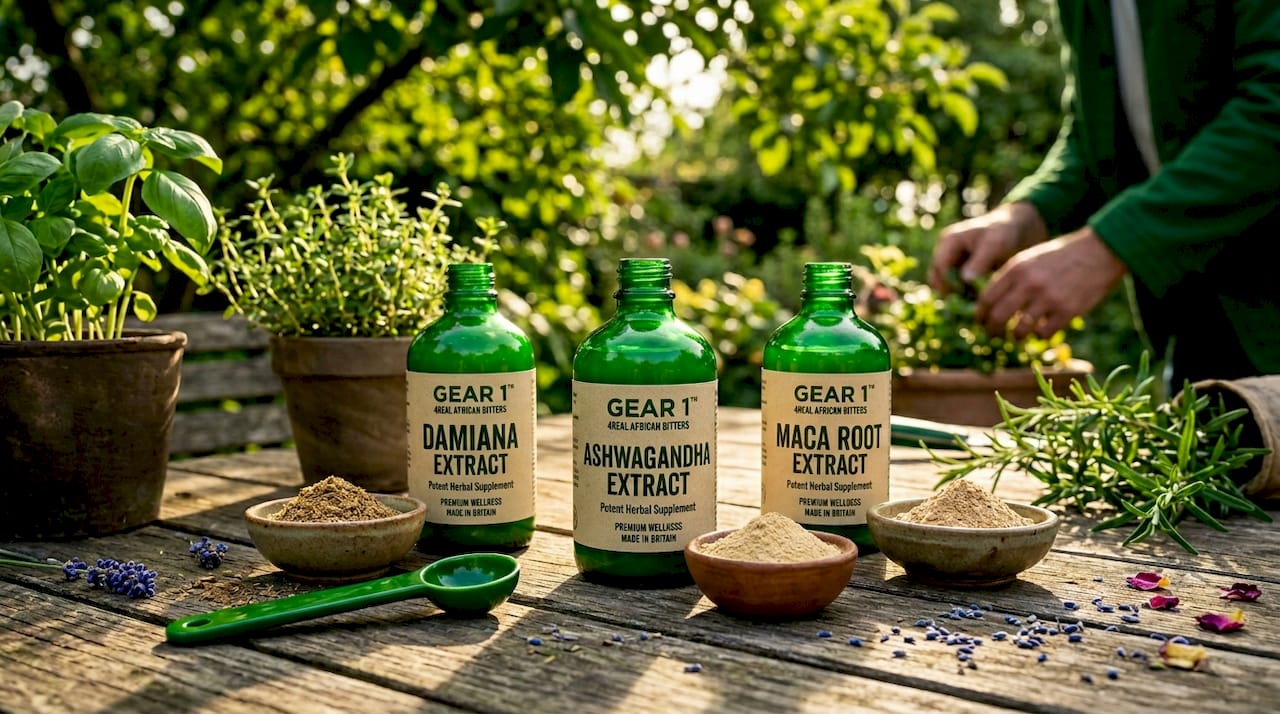
Nitric oxide signalling governs blood flow to genital tissue in both men and women. Damiana, for example, has been shown to reduce PDE5 expression and moderately increase nitric oxide production in human cell models. PDE5 is the same enzyme targeted by pharmaceutical erectile dysfunction treatments, which makes this mechanism particularly credible.
Standardisation and dosing determine whether a product actually works. Standardised herbal extracts at defined doses, such as 300 mg of ashwagandha root extract twice daily, are the benchmark for reproducible clinical results. Many over-the-counter supplements skip this step entirely, which is why two products with the same herb on the label can produce completely different outcomes.
Pro Tip: When buying any herbal libido supplement, look for the words “standardised extract” on the label alongside a defined percentage of active compounds. If neither appears, the product is unlikely to match clinical trial results.
1. Ashwagandha (Withania somnifera)
Ashwagandha is the most clinically validated herb for male sexual health in 2026. A prospective, randomised, double-blind, placebo-controlled trial found that 300 mg twice daily for eight weeks significantly improved sexual desire, erectile function, and semen parameters with no adverse events reported. Semen volume increased by 36%, sperm count by 38%, and sperm motility by 87%. These are not modest improvements. They represent changes that are clinically meaningful for men concerned about both desire and fertility.
The mechanisms behind these results are well established. Ashwagandha’s adaptogenic and endocrine-modulating effects reduce cortisol and raise both total and free testosterone over the supplementation period. Lower cortisol means less suppression of the reproductive axis, and higher testosterone directly correlates with stronger sexual desire. Improved sleep quality, which ashwagandha also supports, adds a further layer of benefit since testosterone production peaks during deep sleep.
For men experiencing low libido alongside fatigue or stress, ashwagandha addresses multiple contributing factors at once. That multi-target action is what separates it from single-mechanism herbs.
2. Shatavari (Asparagus racemosus)
Shatavari is the leading evidence-based herb for women’s sexual wellness. A 2026 trial found that standardised shatavari root extract improved sexual wellness outcomes in women, including reduced sexual distress, improved emotional regulation, and better mood scores. These findings matter because female sexual desire is more closely tied to emotional state and psychological safety than male desire, and shatavari appears to act on both hormonal and emotional dimensions simultaneously.
Shatavari contains steroidal saponins that support oestrogen balance, which is particularly relevant for women experiencing perimenopause or hormonal fluctuations. Reduced oestrogen is a primary driver of low libido in women, and shatavari’s phytoestrogenic activity helps address this directly. The herb also has a long history of use in Ayurvedic medicine as a female reproductive tonic, and the 2026 clinical data now gives that tradition a credible scientific foundation.
The results from shatavari alone are promising but preliminary. The trial had a modest sample size and short duration, so expectations should be calibrated accordingly. That said, the direction of evidence is clear and consistent.
3. Damiana (Turnera diffusa)
Damiana is a traditional Central American aphrodisiac that now has a credible mechanistic basis. Research shows that damiana extract reduces PDE5 expression, inhibits aromatase activity, and moderately increases nitric oxide production in human cell models. PDE5 inhibition improves blood flow to erectile tissue. Aromatase inhibition reduces the conversion of testosterone to oestrogen, which supports higher free testosterone levels. These two actions together create a complementary pathway to enhanced sexual function.
The extract contains 49 identified compounds, predominantly flavonoids, with no cytotoxicity observed at tested concentrations. That safety profile is encouraging. Clinical trials in humans are still limited, so damiana sits one step behind ashwagandha in terms of evidence strength, but its mechanism-based credibility places it well above herbs that rely solely on tradition. It is a strong candidate for herbal remedies improving sexual stamina in men.
4. Maca (Lepidium meyenii)
Maca is a Peruvian root vegetable with a well-documented history as a libido enhancer for both men and women. It does not appear to work through testosterone or oestrogen directly. Instead, maca seems to act on the hypothalamus and pituitary gland, improving the body’s overall hormonal signalling without altering sex hormone levels measurably. This makes it a useful option for people who want libido support without affecting their hormonal profile.
Several small clinical trials have found that maca improves self-reported sexual desire in both men and women after six to twelve weeks of use. It also shows some evidence for reducing sexual dysfunction caused by antidepressant medications, which is a specific and underserved need. Maca is generally well tolerated and widely available, though product quality varies considerably between brands.
5. Panax ginseng (Korean red ginseng)
Panax ginseng is one of the most studied botanicals in sexual medicine. Its active compounds, ginsenosides, stimulate nitric oxide synthesis in penile tissue and support adrenal function, which contributes to sustained energy and sexual stamina. Multiple trials have found improvements in erectile function scores with Panax ginseng supplementation, and some studies show benefits for women’s arousal and satisfaction as well.
Ginseng also has adaptogenic properties similar to ashwagandha, meaning it reduces the physiological impact of stress on sexual function. For men dealing with performance anxiety or fatigue-related low desire, ginseng addresses both the physical and psychological dimensions. It pairs well with other herbs in multi-ingredient formulations, which is why it appears in many of the better-quality African herbal libido products.
6. Combining shatavari and ashwagandha for women
The combination of shatavari and ashwagandha produces additive sexual wellness benefits in women that exceed what either herb achieves alone. An exploratory study found that the combination improved FSFI scores (Female Sexual Function Index), increased the frequency of sexual intercourse, and reduced sexual distress more effectively than shatavari alone or placebo. This is a meaningful finding for women who feel that low desire is affecting their relationships and confidence.
The likely reason for this synergy is that ashwagandha addresses the stress and cortisol dimension while shatavari addresses the hormonal and emotional dimension. Together, they cover more of the multifactorial nature of female sexual desire. Sexual health is genuinely multifactorial, with psychological, emotional, and physical factors all contributing, and a two-herb approach reflects that complexity more accurately than a single-herb solution.
7. How to choose and use natural herbs safely
Selecting the right herbal product requires attention to three factors: standardisation, dosage, and source. A standardised extract at a clinically tested dose is the only reliable way to replicate the results seen in trials. For ashwagandha, that benchmark is 300 mg twice daily of a root extract standardised to withanolides. Products that simply list “ashwagandha powder” without a defined extract ratio are unlikely to deliver the same outcome.
Realistic timelines matter. Most herbal libido enhancers require six to eight weeks of consistent use before measurable improvements appear. Expecting results within a week leads to disappointment and premature abandonment of something that would have worked given more time. Patience is not optional here. It is part of the protocol.
Potential interactions and contraindications deserve attention. Ashwagandha can lower blood pressure and blood sugar, which matters for people on medication for those conditions. Shatavari is contraindicated in oestrogen-sensitive conditions. Damiana may interact with diabetes medications. Consulting a healthcare professional before starting any herbal regimen is the right approach, particularly if you have an existing health condition or take prescription medication.
Lifestyle factors amplify herbal benefits significantly. Regular physical activity raises baseline testosterone. Quality sleep restores hormonal balance overnight. Reducing alcohol intake removes a direct suppressant of sexual desire. Herbs work best when they complement a foundation of healthy habits, not when they substitute for one.
Key takeaways
The most effective natural herbs for sexual desire work through specific, documented biological mechanisms rather than tradition alone, and standardised extracts at clinical doses are the only reliable way to replicate trial results.
| Point | Details |
|---|---|
| Ashwagandha leads the evidence | 300 mg twice daily for 8 weeks improved desire, erectile function, and semen quality in clinical trials. |
| Shatavari supports women’s desire | Reduces sexual distress and improves emotional regulation, with stronger results when combined with ashwagandha. |
| Damiana targets PDE5 and nitric oxide | Mechanistic cell model data supports blood flow and testosterone benefits, though human trials are still limited. |
| Standardisation determines results | Products without defined extract ratios and dosages are unlikely to match clinical trial outcomes. |
| Allow 6 to 8 weeks for effect | Herbal libido enhancers require consistent use over several weeks before measurable improvements appear. |
What I have learned about herbal libido support after years of observation
by Ayomide
The most common mistake I see is treating herbal libido support as a quick fix rather than a sustained practice. People try an herb for ten days, feel nothing dramatic, and conclude it does not work. What they have actually done is stop just before the point where the evidence says results begin. The six to eight week window is not a marketing claim. It reflects how long it takes for adaptogenic herbs to shift cortisol patterns and for the endocrine system to recalibrate.
What I find genuinely encouraging about the 2026 research is the shift from tradition-only claims to mechanism-based evidence. Damiana’s flavonoid composition and its measurable effects on PDE5 and nitric oxide pathways represent exactly the kind of scientific rigour that separates credible herbal medicine from marketing noise. That does not mean every traditional herb will eventually be validated, but it does mean the best ones are earning their place in evidence-based practice.
I also think the female sexual health angle is underserved and underappreciated. The shatavari and ashwagandha combination data is preliminary, but the direction is consistent and the mechanisms are plausible. Women deserve the same quality of evidence-based herbal guidance that men receive, and that gap is finally beginning to close.
The honest truth is that herbs work best when you address the whole picture. Stress, sleep, physical activity, and emotional connection all feed into sexual desire in ways that no single herb can fully replace. Use the herbs. But do not expect them to carry the entire load on their own.
— Ayomide
How Gear1 supports your natural libido goals
If the herbs discussed here resonate with you, Gear1 offers a practical way to access their benefits in a single, non-alcoholic herbal drink. Gear1 is formulated with herbal juice extracted from African roots and herbs, targeting libido, erection strength, sexual stamina, and premature ejaculation prevention in one daily product. It is designed for people who want the benefits of multiple herbs without managing separate supplements.
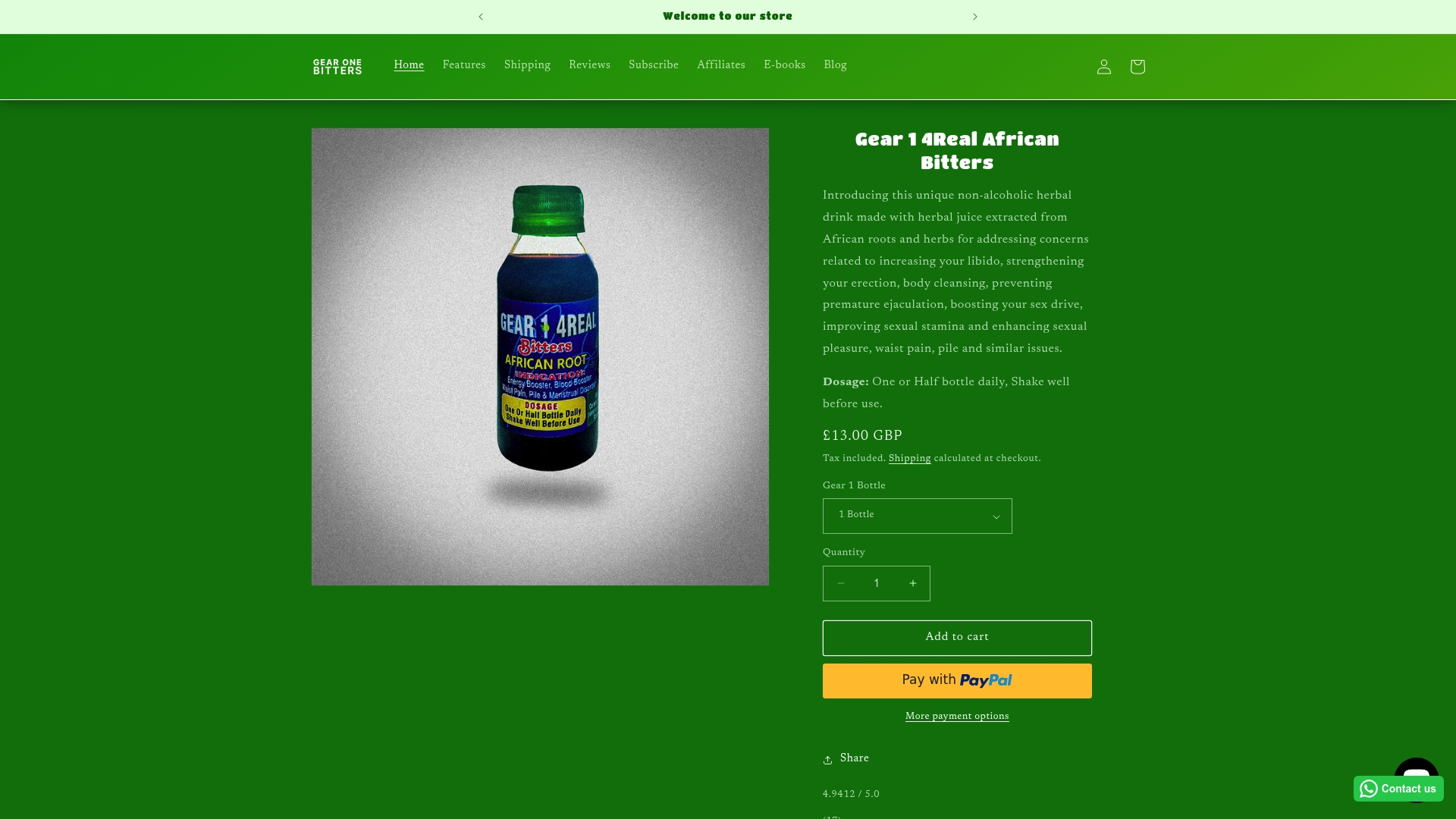
Explore the full herbal ingredients behind Gear1 to see exactly which roots and herbs are included and how they align with the clinical evidence covered in this article. If you want to understand the specific sexual health features Gear1 is designed to support, that page gives you a clear, honest breakdown. Go ahead and take the next step toward better sexual vitality with a product built on real herbal science.
FAQ
What are the best herbs for low sex drive?
Ashwagandha, shatavari, damiana, maca, and Panax ginseng are the most evidence-supported herbs for low libido. Ashwagandha has the strongest clinical trial data for men, while shatavari shows the most promise for women.
How long do herbal libido supplements take to work?
Most herbal libido enhancers require six to eight weeks of consistent use before measurable improvements appear. Stopping before this point is the most common reason people conclude a herb has not worked.
Can herbs help prevent premature ejaculation?
Some herbs, particularly those that reduce anxiety and improve hormonal balance such as ashwagandha and Panax ginseng, may support better ejaculatory control by addressing the stress and performance anxiety that often contribute to premature ejaculation. Dedicated clinical trials on herbs as premature ejaculation natural solutions remain limited.
Is it safe to combine shatavari and ashwagandha?
Combining shatavari and ashwagandha appears safe and may produce additive benefits for women’s sexual wellness, with improved desire, arousal, and reduced sexual distress observed in exploratory research. Always consult a healthcare professional if you have existing health conditions or take prescription medication.
Do natural herbs work as well as pharmaceutical options?
Natural herbs work through slower, gentler mechanisms than pharmaceuticals and are not equivalent for acute conditions like severe erectile dysfunction. For mild to moderate low libido and sexual performance concerns, standardised herbal extracts at clinical doses offer a credible, well-tolerated alternative with a strong safety profile.
Recommended
- Natural remedies for erectile dysfunction: 9 proven options – Gear 1 4Real African Bitters
- How African herbs boost libido: a 2026 guide – Gear 1 4Real African Bitters
- How to increase male libido naturally: 2026 guide – Gear 1 4Real African Bitters
- Types of male sexual performance enhancers explained – Gear 1 4Real African Bitters
About Gear 1 4Real African Bitters — a non-alcoholic herbal bitters made from African root and herb extracts, blended to a traditional recipe rooted in generations of use. See the product and full ingredients list.
Food supplement. Not intended to diagnose, treat, cure or prevent any disease.