
Low sex drive in men, clinically referred to as loss of libido or hypoactive sexual desire, is defined as a persistent reduction in the motivation or desire for sexual activity. It affects men of all ages and can signal underlying physical, hormonal, or psychological conditions that deserve proper attention. Understanding what causes low sex drive in men is the first step towards addressing it with confidence. The causes are rarely simple or singular. NHS Inform confirms that stress, relationship difficulties, hormonal changes, and medication side effects all play a role, making a thorough assessment genuinely worthwhile.
What are the main physical and hormonal causes of low male libido?
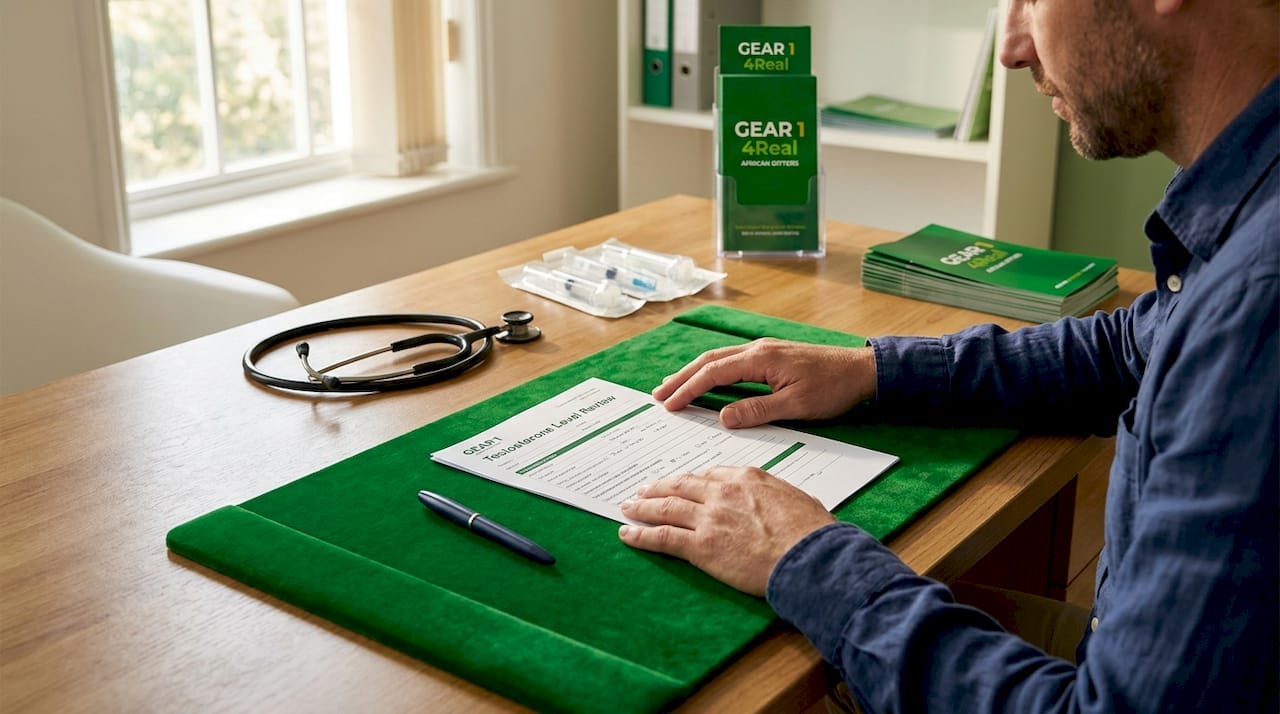
Testosterone deficiency is the most widely recognised hormonal driver of reduced sexual desire in men. Testosterone is the primary male sex hormone responsible for regulating libido, energy, and mood. When levels fall below the normal range, men often notice fatigue, low motivation, and a clear drop in sexual interest. This condition, known as hypogonadism, can be primary (originating in the testes) or secondary (stemming from the pituitary gland or hypothalamus).
Harvard Health explains that testosterone levels drop due to a range of medical causes including opioid use, corticosteroid medications, testicular injury, hypothyroidism, sleep apnoea, pituitary disorders, obesity, and diabetes. This list matters because it shows that low testosterone is often a downstream consequence of another treatable condition, not an isolated problem. Treating the root cause frequently restores hormonal balance without requiring testosterone replacement therapy directly.
Obesity and metabolic conditions deserve particular attention. Visceral fat converts testosterone into oestrogen through a process called aromatisation, creating a cycle where low testosterone encourages weight gain, and weight gain further suppresses testosterone. Barbell Medicine notes that this obesity-related secondary hypogonadism, sometimes called MOSH (male obesity-associated secondary hypogonadism), is common and reversible through sustained weight loss and lifestyle modification.
Chronic illnesses such as type 2 diabetes, cardiovascular disease, and chronic kidney disease also reduce libido through a combination of hormonal disruption, fatigue, and reduced blood flow. Certain medications compound this further.
- Opioid analgesics suppress the hypothalamic-pituitary axis, directly reducing testosterone production
- Corticosteroids interfere with hormonal signalling over long-term use
- Antihypertensives (particularly beta-blockers and thiazide diuretics) are associated with reduced sexual desire
- Obstructive sleep apnoea disrupts the nocturnal testosterone surge that occurs during deep sleep, lowering overall levels
Pro Tip: If you suspect low testosterone, request a morning blood draw before 10am. Accurate testosterone diagnosis requires two separate morning samples taken under consistent conditions, as a single low reading can be misleading due to daily hormonal fluctuations.
How do psychological and emotional factors affect sex drive?
Mental health and sexual desire are deeply connected, and this connection is frequently underestimated. Stress, anxiety, and depression reduce libido through mood changes, diminished pleasure responses, and neurological inhibition of sexual arousal. When the brain is preoccupied with worry or overwhelmed by low mood, sexual motivation becomes one of the first things to recede.
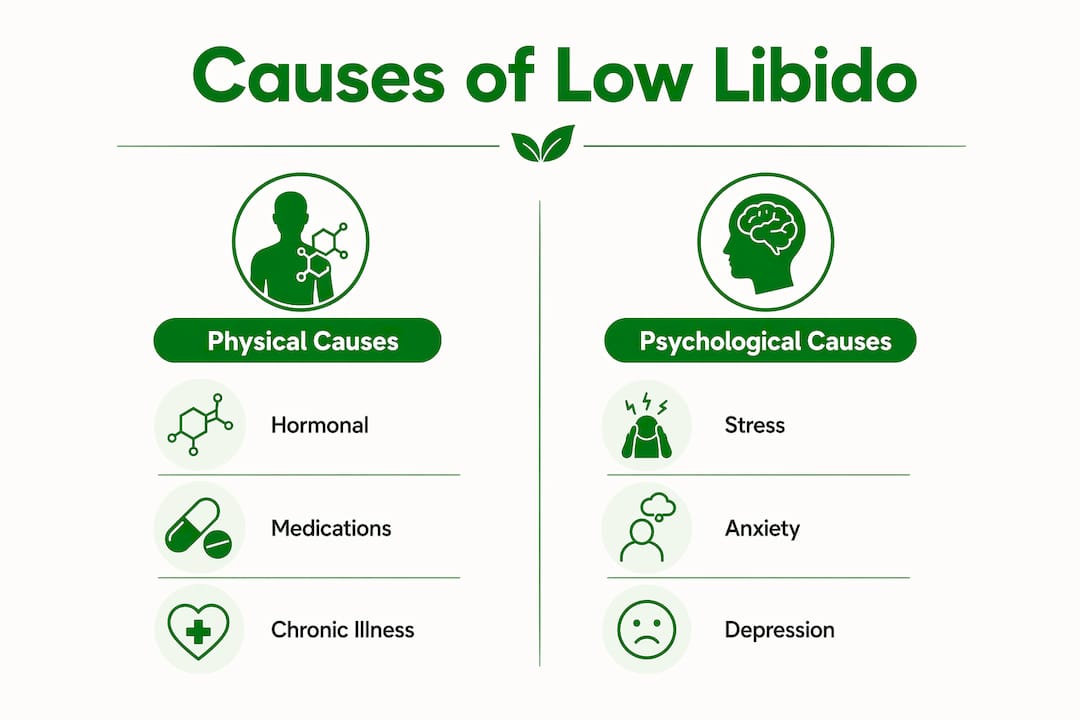
Depression is particularly significant. It reduces dopamine and serotonin activity, both of which are involved in the experience of pleasure and desire. Men with untreated depression often report a near-complete loss of interest in sex, which can then worsen feelings of inadequacy or relationship strain. This creates a cycle that is difficult to break without addressing the mood disorder directly.
Relationship difficulties are another major contributor. Emotional distance, unresolved conflict, poor communication, and a lack of intimacy outside the bedroom all reduce sexual desire over time. Low libido in this context is not a physical failure. It is the body’s honest response to emotional disconnection.
A sex therapist quoted in Men’s Fitness recommends distinguishing between general low libido (reduced desire regardless of partner or context) and situational low desire (reduced desire specifically with a current partner). This distinction is clinically important because it points towards very different treatment paths, one hormonal and medical, the other relational and psychological.
Medication-induced libido changes are also worth understanding. SSRIs and antidepressants are among the most common pharmaceutical causes of reduced sexual desire in men. Antihypertensives, antipsychotics, and certain antihistamines carry similar risks. If you started a new medication and noticed a change in desire shortly afterwards, that timing is worth discussing with your GP. Alternatives often exist.
- Fatigue reduces sexual motivation by depleting the physical and mental energy required for desire and arousal
- Performance anxiety creates a self-reinforcing pattern where fear of failure suppresses desire before any encounter begins
- Low self-esteem linked to body image or past sexual experiences can persistently dampen libido
Which lifestyle and environmental factors reduce libido in men?
Everyday habits have a measurable impact on sexual desire, and the good news is that most lifestyle factors are within your control. NHS Inform advises moderating alcohol consumption and avoiding drug misuse as direct steps to support sex drive. Alcohol is a central nervous system depressant. While it may lower inhibitions in the short term, regular heavy drinking suppresses testosterone production, disrupts sleep architecture, and reduces sexual sensitivity over time.
Ageing is a natural factor that deserves honest acknowledgement. Testosterone levels decline gradually from around the age of 30, dropping by approximately 1% per year. This does not mean low libido is inevitable with age, but it does mean that the margin for error with other lifestyle factors narrows. Poor sleep, inactivity, and a poor diet have a proportionally greater impact on older men than on younger ones.
Here are the key lifestyle factors that most commonly affect male libido, ranked by how directly they influence hormonal balance:
- Sleep quality. Poor sleep, whether from insomnia, shift work, or undiagnosed sleep apnoea, suppresses the nocturnal testosterone surge and elevates cortisol, both of which reduce sexual desire.
- Physical activity. Regular resistance training and cardiovascular exercise support testosterone production, improve mood, and reduce the visceral fat that drives hormonal imbalance.
- Alcohol and substance use. Chronic alcohol use and recreational drug misuse directly impair testosterone synthesis and neurological arousal pathways.
- Diet and nutrition. Diets low in zinc, vitamin D, and healthy fats are associated with reduced testosterone production. Processed food-heavy diets promote inflammation and metabolic dysfunction, both of which suppress libido.
- Environmental toxins. Endocrine-disrupting chemicals found in certain plastics (such as BPA), pesticides, and personal care products can interfere with hormonal signalling. Reducing exposure where possible is a sensible precaution.
Learning how to increase male libido naturally through targeted lifestyle changes is one of the most sustainable approaches available, and the evidence behind it is solid.
How is low libido diagnosed and when should you see a doctor?
Low libido is best understood as a symptom cluster rather than a single condition. A proper workup considers hormonal deficiency, medication effects, sleep disorders, and mood disorders together, rather than testing for one thing in isolation. This structured approach is what separates an accurate diagnosis from a missed one.
The distinction between low libido and erectile dysfunction (ED) matters clinically. Low libido is a reduced desire for sex. ED is the inability to achieve or maintain an erection. The two can coexist, but they have different causes and different treatments. Conflating them leads to the wrong intervention.
| Symptom | Likely area to investigate |
|---|---|
| Reduced desire with normal erections | Hormonal, psychological, or relational causes |
| Reduced desire with ED | Vascular, neurological, or severe hormonal deficiency |
| Desire present but performance difficult | ED as primary issue, not libido |
| Desire absent only with current partner | Relational or situational psychological factors |
NHS Inform advises men experiencing persistent or recurring low libido to consult a GP, as it may indicate an underlying condition requiring diagnosis and treatment. A GP will typically review your medication history, assess mood and stress levels, and request morning testosterone blood tests alongside thyroid function, full blood count, and metabolic markers.
On the treatment side, the FDA’s preliminary review suggests that testosterone replacement therapy is safe and effective for men with low libido associated with confirmed idiopathic hypogonadism. This is a meaningful development, but it applies specifically to men with a confirmed hormonal deficiency, not to age-related decline without a clinical diagnosis.
Pro Tip: Before your GP appointment, keep a two-week log of your sleep quality, mood, energy levels, and any medications you take. This gives your doctor a clearer picture and significantly speeds up the diagnostic process.
Key takeaways
Low sex drive in men is caused by a combination of hormonal, physical, psychological, and lifestyle factors, and addressing it effectively requires identifying which of these is driving the problem.
| Point | Details |
|---|---|
| Testosterone is central but not the whole story | Low testosterone often results from obesity, sleep apnoea, or medication rather than being a standalone condition. |
| Psychological causes are equally significant | Stress, depression, and relationship difficulties reduce libido through neurological and emotional pathways. |
| Lifestyle changes deliver real results | Improving sleep, exercise, diet, and reducing alcohol directly supports testosterone production and sexual desire. |
| Diagnosis requires structured assessment | A proper workup includes morning testosterone draws, medication review, and mood evaluation, not a single blood test. |
| Persistent low libido warrants medical review | Recurring low desire can signal underlying conditions that respond well to targeted treatment. |
What I have learned about low libido that most articles miss
Men are often told that low sex drive is either “just stress” or “just low testosterone.” In my experience, that binary thinking is what keeps men stuck. The reality is that most cases involve at least two or three overlapping causes, and treating only one rarely resolves the problem fully.
What I find particularly underappreciated is the role of sleep. Men who address their sleep apnoea or simply commit to consistent, quality sleep often report a noticeable improvement in desire within weeks, before any hormonal treatment begins. Sleep is not a passive factor. It is where testosterone is produced, cortisol is regulated, and the nervous system recovers.
The stigma around discussing low libido is also worth naming directly. Many men wait years before speaking to a doctor because the topic feels embarrassing or implies weakness. That delay is costly. Conditions like hypothyroidism, diabetes, and depression, all of which suppress libido, are far more treatable when caught early. There is nothing weak about seeking clarity on something that affects your wellbeing, your relationships, and your confidence.
My honest recommendation is to resist the pull of quick fixes and instead pursue a proper assessment. Understand whether your low desire is general or situational. Get your morning testosterone tested correctly, with two draws. Review your medications. Look at your sleep. The answers are almost always there once you look in the right places. Exploring natural remedies for sexual health alongside medical advice gives you the most complete picture.
— Ayomide
Supporting your sexual health with Gear1
If you are looking for natural support alongside lifestyle changes and medical advice, Gear1 offers a range of herbal products rooted in African botanical tradition.
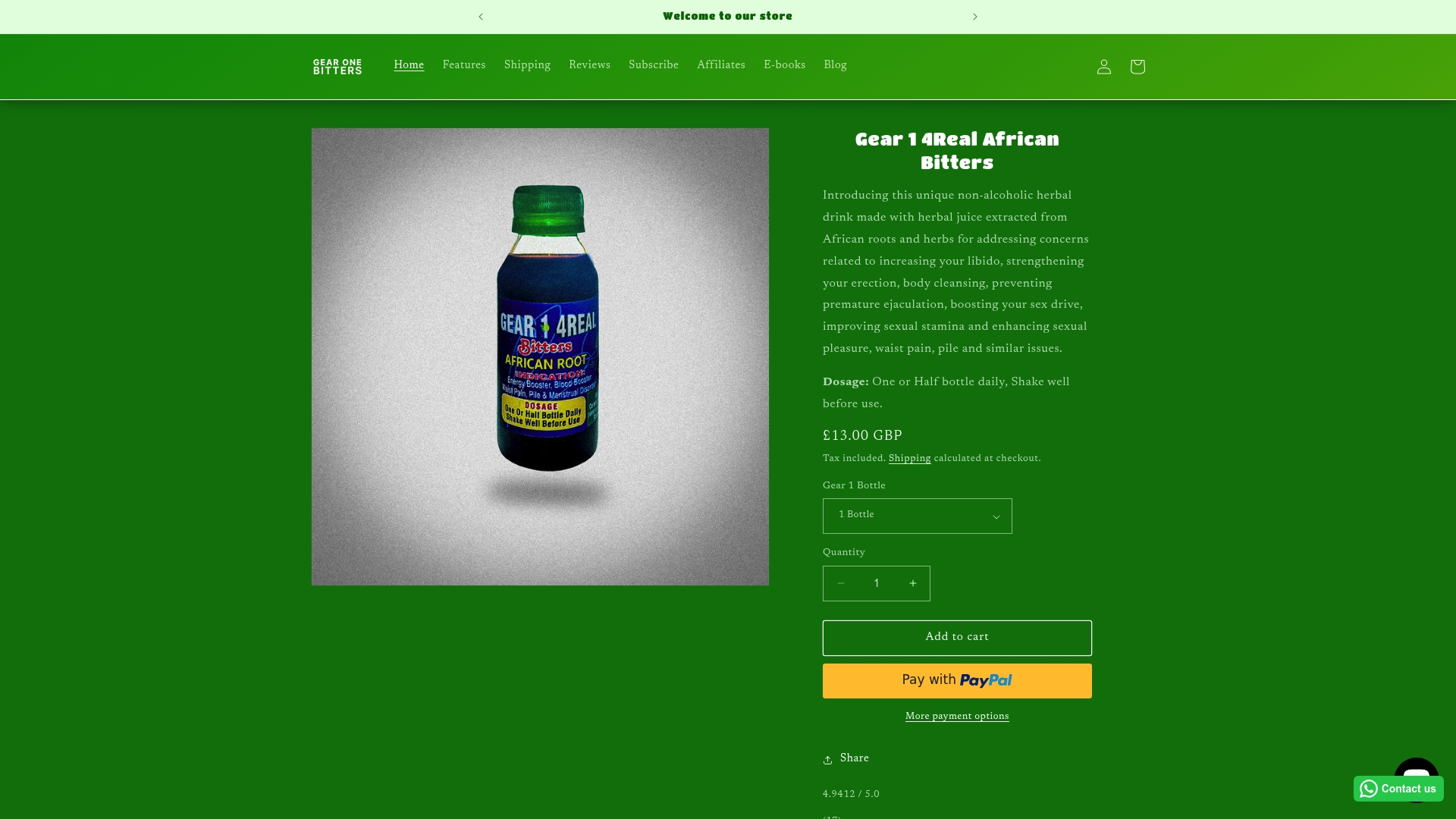
Gear1’s flagship product is a non-alcoholic herbal drink made from African roots and herbs, formulated to support libido, sexual stamina, and erection strength. The Gear1 herbal bitters collection includes options designed to complement the kind of holistic approach this article has outlined. For men who prefer to go deeper on the educational side, the Gear1 self-improvement e-books cover natural libido enhancement with practical, evidence-informed guidance. These resources are not a replacement for medical care. They are a meaningful addition to it.
FAQ
What are the most common signs of low libido in men?
The most common signs include a persistent lack of interest in sexual activity, reduced frequency of sexual thoughts, and diminished response to sexual stimuli. Low libido is distinct from erectile dysfunction, though the two can occur together.
Can stress alone cause low sex drive in men?
Yes. Chronic stress elevates cortisol, which directly suppresses testosterone production and reduces sexual desire. Stress and anxiety also inhibit the neurological pathways involved in arousal, making desire difficult to access even when the physical capacity for sex remains intact.
How does low testosterone affect sex drive?
Low testosterone reduces the hormonal signal that drives sexual motivation, leading to diminished desire, lower energy, and sometimes mood changes. Harvard Health confirms that upstream causes such as obesity, sleep apnoea, and certain medications are frequently responsible for the testosterone drop itself.
When should a man see a doctor about low libido?
A man should consult a GP if low libido persists for more than a few weeks, recurs regularly, or is accompanied by fatigue, mood changes, or erectile difficulties. NHS Inform advises that persistent low desire may indicate an underlying condition that responds well to treatment.
Is testosterone replacement therapy the right solution for low libido?
TRT is appropriate only for men with a confirmed hormonal deficiency. The FDA’s recent review supports its use for idiopathic hypogonadism-linked low libido, but it is not indicated for age-related decline without a clinical diagnosis. A structured assessment by a GP or endocrinologist is the correct starting point.
Recommended
- How to increase male libido naturally: 2026 guide – Gear 1 4Real African Bitters
- Natural remedies for erectile dysfunction: 9 proven options – Gear 1 4Real African Bitters
- Types of male sexual performance enhancers explained – Gear 1 4Real African Bitters
- Become Desirable: Master Your Partner In The Bedroom – Gear 1 4Real African Bitters