
Testosterone is the primary male sex hormone responsible for muscle mass, libido, energy, mood, and sexual performance. Many men aged 25 to 50 experience a gradual decline in testosterone without realising it, often attributing symptoms like fatigue, low drive, and reduced strength to stress or ageing. The natural ways to increase testosterone are well-supported by clinical evidence and centre on four pillars: sleep, exercise, nutrition, and weight management. Before pursuing any intervention, proper diagnosis requires two separate fasting morning blood tests below 300 ng/dL alongside symptoms. Understanding this is not just reassuring. It is the first step toward doing something meaningful about it.
Why testosterone matters and what low levels do to men
Testosterone drives far more than sexual function. It governs lean muscle development, bone density, red blood cell production, cognitive sharpness, and emotional stability. When levels fall, the effects are felt across every dimension of a man’s health and daily performance.
The clinical threshold for testosterone deficiency sits at below 300 ng/dL on two fasting morning tests. This matters because testosterone fluctuates throughout the day and is sensitive to illness, sleep quality, and even the timing of the blood draw. A single low reading is not sufficient for diagnosis.
Common symptoms of low testosterone in men aged 25 to 50 include:
- Reduced libido and sexual performance
- Persistent fatigue and low motivation
- Loss of muscle mass despite regular training
- Increased body fat, particularly around the abdomen
- Low mood, irritability, or difficulty concentrating
- Weaker morning erections or reduced ejaculatory force
The most common causes of low testosterone in this age group are modifiable. Poor sleep, excess visceral fat, chronic stress, sedentary behaviour, alcohol overuse, and nutritional deficiencies all suppress the hypothalamic-pituitary-gonadal (HPG) axis, which is the hormonal pathway that signals testosterone production. This is genuinely encouraging news. It means that for most men in this group, lifestyle interventions offer a real and meaningful path to recovery.
How does sleep quality affect testosterone levels?
Sleep is the single most underestimated factor in testosterone production. The HPG axis follows a circadian rhythm, releasing the majority of testosterone during deep sleep cycles. Disrupt the sleep, and you disrupt the hormone.
A JAMA study found that sleeping only five hours per night for one week reduced daytime testosterone by 10 to 15 percent. That is equivalent to a decade of age-related hormonal decline compressed into seven days. The implication is stark: no supplement or training programme compensates for chronic sleep deprivation.
Here are five practical steps to protect your testosterone through better sleep:
- Aim for seven to eight hours of uninterrupted sleep each night. This is the range most consistently linked to optimal testosterone output.
- Keep a consistent sleep schedule. Going to bed and waking at the same time daily stabilises your circadian rhythm and HPG axis signalling.
- Cool the bedroom. Core body temperature drops during deep sleep. A room temperature of around 18°C supports this process.
- Limit screen exposure for at least 60 minutes before bed. Blue light suppresses melatonin and delays sleep onset.
- Get assessed for sleep apnoea if you snore heavily or wake unrefreshed. Sleep apnoea fragments deep sleep and is strongly associated with low testosterone in men over 30.
Pro Tip: If you wake between 3am and 5am regularly, check your evening alcohol intake. Even moderate drinking suppresses REM sleep and disrupts the testosterone-producing deep sleep phases.
What role does exercise play in naturally raising testosterone?
Exercise is a powerful tool for hormonal health, but not in the way most men assume. The post-workout testosterone spike you may have read about is real but short-lived and unlikely to produce lasting hormonal change on its own. The deeper mechanism is more significant.
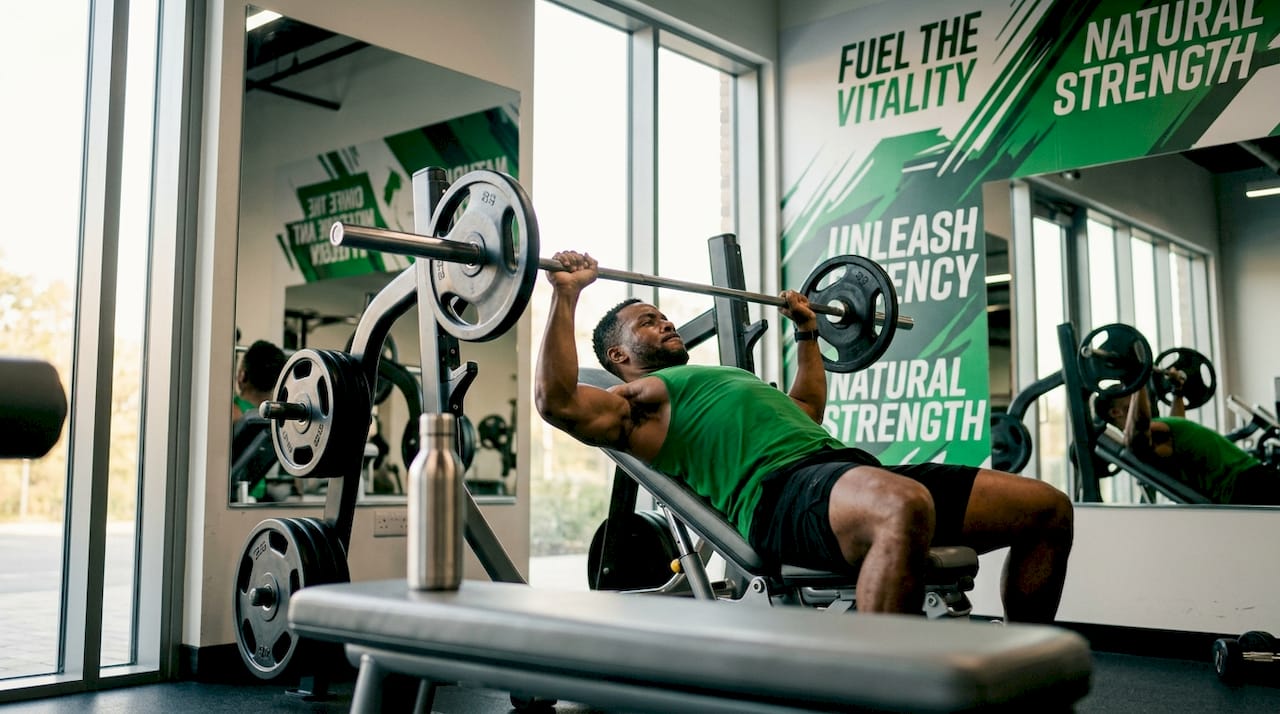
Resistance and aerobic training raise testosterone indirectly by improving body composition, reducing visceral fat, and improving insulin sensitivity. These changes reduce the hormonal suppression caused by excess adipose tissue and metabolic dysfunction. This is why exercise for testosterone levels works best when combined with dietary and sleep improvements rather than in isolation.
The most effective exercise approach for raising testosterone naturally includes:
- Compound resistance training (squats, deadlifts, bench press, rows) performed three to four times per week. These movements recruit the largest muscle groups and produce the most significant metabolic and hormonal adaptations.
- Moderate-intensity aerobic exercise two to three times per week. Running, cycling, or rowing for 30 to 45 minutes reduces visceral fat more effectively than low-intensity walking alone.
- Avoiding overtraining. Chronic overtraining elevates cortisol, which directly suppresses testosterone. Rest days are not optional; they are part of the hormonal strategy.
- Progressive overload. Gradually increasing training weight or volume over weeks and months drives continued body composition improvement and sustained hormonal benefit.
Pro Tip: Pair your resistance training sessions with adequate protein intake within two hours of training. Muscle protein synthesis and testosterone production share overlapping nutritional requirements, particularly for zinc and vitamin D.
How can diet and nutrition support testosterone production?
Nutrition is the foundation of hormonal health. No single food raises testosterone dramatically, but consistent dietary patterns either support or suppress the hormonal environment. Balanced intake of protein, healthy fats, and carbohydrates alongside omega-3 rich foods creates the conditions for optimal testosterone production.
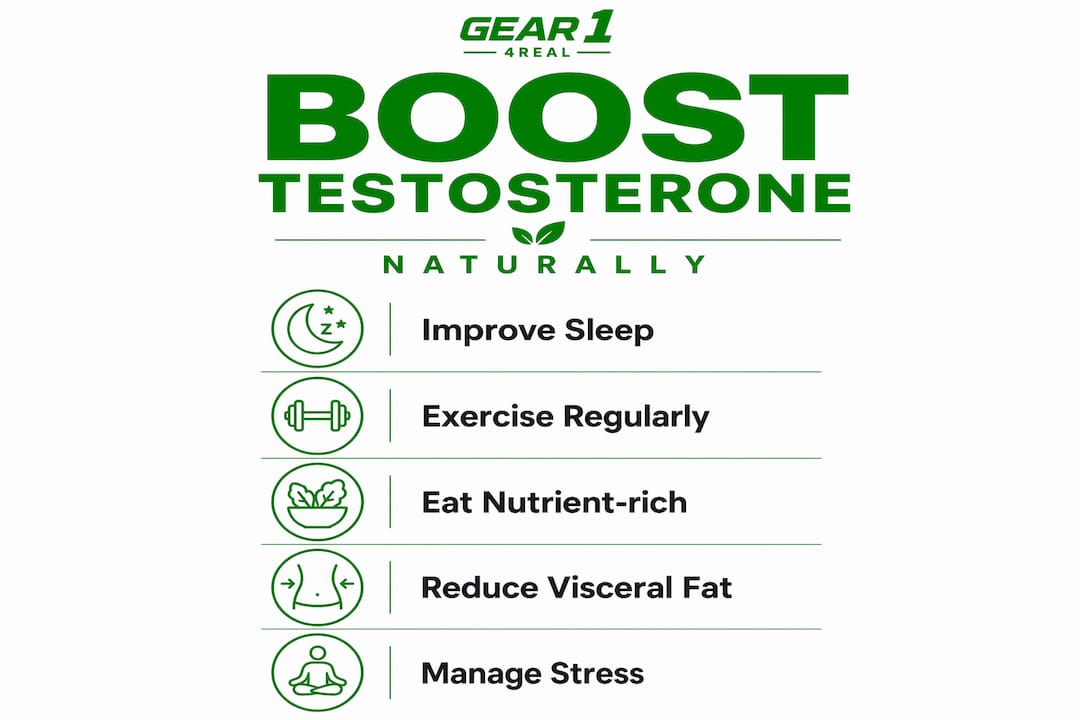
The key nutrients most directly linked to testosterone production are vitamin D, zinc, magnesium, and omega-3 fatty acids. Deficiency in any of these is associated with measurably lower testosterone. A 2026 PeerJ meta-analysis found that vitamin D supplementation significantly increases serum testosterone in deficient men. This is one of the few supplement interventions with genuine clinical backing.
| Nutrient | Best food sources | Role in testosterone production |
|---|---|---|
| Vitamin D | Oily fish, egg yolks, fortified dairy | Supports HPG axis signalling and testosterone synthesis |
| Zinc | Oysters, red meat, pumpkin seeds | Required for testosterone biosynthesis and sperm production |
| Magnesium | Leafy greens, nuts, wholegrains | Reduces SHBG, increasing free testosterone availability |
| Omega-3 fatty acids | Salmon, mackerel, flaxseed, walnuts | Reduces inflammation that suppresses testosterone |
| Protein | Chicken, eggs, legumes, Greek yoghurt | Provides amino acids for muscle repair and hormonal function |
One important caution: most commercial testosterone booster supplements do not raise testosterone meaningfully in men who are not deficient. Lifestyle optimisation outperforms supplements in almost every clinical comparison, except when correcting a genuine deficiency in zinc or vitamin D. Spending money on proprietary blends labelled as natural testosterone boosters is largely wasted unless your diet is genuinely lacking in these specific nutrients.
How does body weight affect testosterone and what actually helps?
Visceral fat is the most potent natural suppressor of testosterone in men with metabolic causes of low T. Adipose tissue, particularly the fat stored around the abdomen and organs, converts testosterone into oestrogen via the aromatase enzyme. The more visceral fat a man carries, the greater this conversion and the lower his free testosterone.
Reducing visceral fat is the most effective non-pharmacological method to raise testosterone in men with metabolic suppression. This is a more precise target than overall weight loss. A man who loses fat specifically from the abdominal region will see greater hormonal benefit than one who loses the same amount of scale weight from elsewhere.
| Approach | Testosterone impact | Notes |
|---|---|---|
| Caloric deficit with high protein | Moderate to significant increase | Preserves muscle while reducing visceral fat |
| Resistance training combined with diet | Significant increase | Improves body composition and insulin sensitivity |
| GLP-1 agonists (e.g. semaglutide) | Significant increase in obese men | Medical supervision required; not a first-line option |
| Bariatric surgery | Large increase in severely obese men | Reserved for BMI above 40 with comorbidities |
| Aerobic exercise alone | Modest increase | Less effective without dietary change |
Clinical data shows that weight loss and sleep improvements can increase testosterone by an average of 84 ng/dL in men whose low testosterone is driven by metabolic factors. That is a meaningful clinical shift. Setting a waist-to-height ratio below 0.5 is a practical target that correlates well with reduced visceral fat and improved hormonal health. Measure your waist at the navel and divide by your height in the same unit. If the result exceeds 0.5, visceral fat reduction should be your primary focus before any other intervention.
Key takeaways
The most effective natural approach to raising testosterone combines sleep optimisation, visceral fat reduction, resistance training, and targeted nutritional correction rather than relying on supplements alone.
| Point | Details |
|---|---|
| Diagnose before you act | Two fasting morning blood tests below 300 ng/dL plus symptoms confirm low testosterone. |
| Sleep is non-negotiable | Five hours of sleep reduces testosterone by 10 to 15 percent within one week. |
| Exercise works indirectly | Resistance and aerobic training raise testosterone by improving body composition, not through post-workout spikes. |
| Target visceral fat specifically | Abdominal fat converts testosterone to oestrogen; reducing it produces the largest hormonal gains. |
| Supplements have limited value | Vitamin D and zinc help only if you are genuinely deficient; most commercial boosters offer little benefit. |
What I have learned about raising testosterone naturally
By Ayomide
The most common mistake I see men make is reaching for a supplement before they have addressed the basics. Men spend money on herbs for testosterone, proprietary blends, and expensive powders when their sleep is poor, their waist circumference is above 90 cm, and they have not had a blood test in years. The supplements are not the problem. The sequencing is.
Proper diagnosis matters more than most men realise. Testosterone levels fluctuate significantly based on the time of day, recent illness, and even how well you slept the night before the test. A single low reading does not confirm deficiency. Two separate fasting morning tests do. Skipping this step leads men to treat a problem they may not have, or to miss the actual cause entirely.
I also think the conversation around herbs for testosterone is worth having honestly. Some adaptogenic herbs, including ashwagandha and tongkat ali, have modest evidence behind them, particularly for stress-related hormonal suppression. But they are not a substitute for the lifestyle foundations. They work best as a complement to good sleep, a healthy weight, and consistent training. Not as a replacement for any of those things.
The ripple effect of getting testosterone right is real. Men who address the underlying causes report better energy, stronger erections, improved mood, and greater confidence in the gym and in the bedroom. That is not marketing language. That is what the clinical evidence and lived experience consistently show. Start with the foundations. Be patient. Get tested properly. The results follow.
— Ayomide
Support your vitality with Gear1 4Real herbal bitters
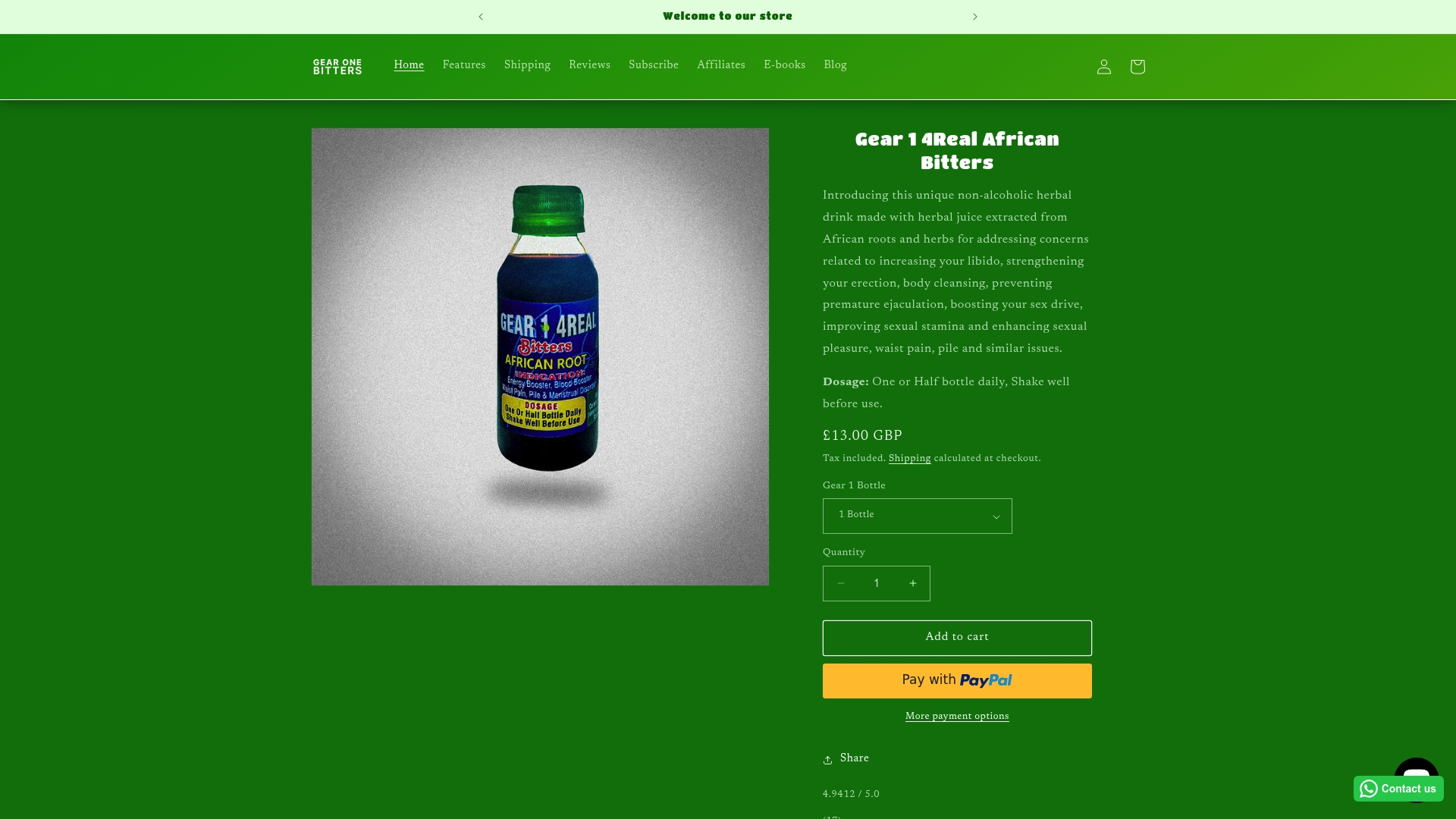
Gear1 4Real is a non-alcoholic herbal drink made from African roots and herbs, formulated specifically to support men’s sexual health, energy, and vitality. If you are working on raising your testosterone naturally through lifestyle changes, Gear1 4Real complements that effort by addressing libido, erection strength, sexual stamina, and body cleansing from a natural herbal foundation. Explore the natural herbal ingredients that make Gear1 4Real different, and see how its plant-based formulation aligns with your goals for male wellness. For a closer look at how it supports libido and sexual health, the full benefits are detailed on the product page. Go ahead and take the next step toward feeling like yourself again.
FAQ
What is the fastest natural way to raise testosterone?
Improving sleep to seven to eight hours per night produces measurable testosterone increases within days and is the fastest single lifestyle change available. Combined with visceral fat reduction over weeks, the hormonal effect compounds significantly.
Can herbs for testosterone actually work?
Some herbs, including ashwagandha and tongkat ali, have modest clinical evidence supporting their use, particularly in men with stress-related hormonal suppression. They are most effective when used alongside sleep, exercise, and dietary improvements rather than as standalone solutions.
How do I know if my testosterone is genuinely low?
Testosterone deficiency is confirmed by two separate fasting morning blood tests showing total testosterone below 300 ng/dL, alongside symptoms such as low libido, fatigue, and reduced muscle mass. A single test is not sufficient for diagnosis.
Does exercise directly spike testosterone long-term?
Exercise raises testosterone indirectly by reducing visceral fat and improving insulin sensitivity rather than through direct hormonal spikes. Consistent resistance training and aerobic exercise over months produce lasting hormonal improvements through body composition change.
Are testosterone booster supplements worth taking?
Most commercial testosterone booster supplements do not raise testosterone meaningfully unless they are correcting a genuine deficiency in zinc or vitamin D. Lifestyle changes outperform supplements in clinical comparisons for men with modifiable causes of low testosterone.
Recommended
- How to increase male libido naturally: 2026 guide – Gear 1 4Real African Bitters
- Natural remedies for erectile dysfunction: 9 proven options – Gear 1 4Real African Bitters
- Types of male sexual performance enhancers explained – Gear 1 4Real African Bitters
- How natural remedies support relationship wellness – Gear 1 4Real African Bitters
About Gear 1 4Real African Bitters — a non-alcoholic herbal bitters made from African root and herb extracts, blended to a traditional recipe rooted in generations of use. See the product and full ingredients list.
Food supplement. Not intended to diagnose, treat, cure or prevent any disease.