
Sexual fatigue in men is defined as a measurable reduction in sexual desire, energy, and drive caused by intertwined biological, psychological, and lifestyle factors. Clinically, when this low desire persists beyond six months, it meets the threshold for Male Hypoactive Sexual Desire Disorder, which affects approximately 20% of men. Understanding what causes sexual fatigue in men is the first step toward doing something meaningful about it. The causes range from falling testosterone and rising cortisol to disrupted sleep and unresolved emotional stress. None of these factors work in isolation, and that is precisely what makes this condition so easy to misread.
What causes sexual fatigue in men biologically?
Testosterone is the primary driver of male sexual desire, and levels below 300 ng/dL confirmed by two fasting morning blood tests indicate a hormonal cause of sexual fatigue. That threshold matters because testosterone naturally fluctuates throughout the day, peaking in the morning. A single afternoon test can produce a falsely reassuring result.
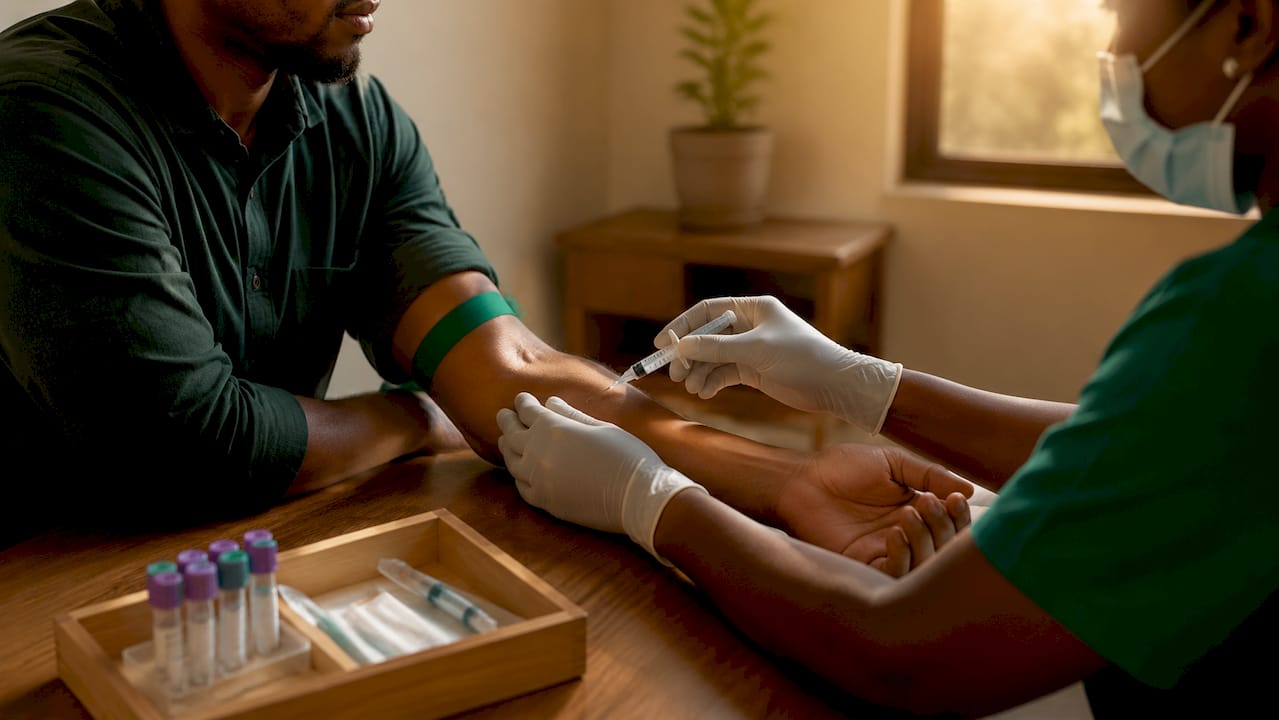
Beyond testosterone, other hormones play a significant role in men’s sexual exhaustion causes. Elevated prolactin, poor thyroid function, and low sex hormone-binding globulin (SHBG) all suppress libido through different pathways. Proper hormone testing requires a fasting morning panel assessing testosterone, prolactin, thyroid, and SHBG together to avoid misdiagnosis. Testing one marker in isolation gives an incomplete picture.
Metabolic health is another underappreciated factor. Obesity increases the conversion of testosterone into oestradiol, a form of oestrogen, which directly reduces male libido. This means a man with a high body fat percentage may have technically normal testosterone production but still experience significant sexual fatigue because much of it is being converted away.
Sexual fatigue often results from allostatic load, the cumulative bodily burden of chronic stress, poor sleep, and metabolic dysfunction, even when testosterone levels appear normal. This is why two men with identical testosterone readings can have very different levels of sexual energy.
- Testosterone below 300 ng/dL is the clinical threshold for hormonal concern, confirmed across two fasting morning tests
- Elevated prolactin suppresses libido independently of testosterone and is frequently overlooked in standard panels
- Thyroid dysfunction reduces overall energy and sexual motivation, mimicking low testosterone symptoms
- Obesity and high body fat accelerate testosterone-to-oestradiol conversion, compounding hormonal imbalance
- SHBG levels determine how much testosterone is biologically active; high SHBG leaves less free testosterone available
Pro Tip: Ask your GP specifically for a full hormonal panel including free testosterone, SHBG, prolactin, and thyroid function. A standard testosterone test alone will not tell the full story.
How do psychological factors contribute to sexual exhaustion?
The brain is the primary sexual organ, and psychological stress is one of the most direct reasons for male sexual fatigue. Sexual burnout is a profound mental and emotional exhaustion state, distinct from temporary tiredness, where the brain actively dampens arousal to conserve energy. This distinction matters clinically because burnout does not respond to testosterone therapy alone.
Chronic stress triggers the release of cortisol, the body’s primary stress hormone. High cortisol from prolonged stress acts as a direct antagonist to testosterone, suppressing male sexual desire at the biochemical level. The body essentially prioritises survival over reproduction when it perceives ongoing threat. That is not a metaphor. It is a documented hormonal mechanism.
“Libido is a fragile system requiring systemic coordination. High cortisol from stress directly suppresses testosterone and reduces sexual desire.” This insight from clinical research underscores why stress management is not optional for men dealing with sexual fatigue. It is a medical necessity.
Depression and anxiety compound the problem further. Both conditions reduce dopamine and serotonin signalling, the neurochemicals that generate motivation and pleasure. Without adequate dopamine activity, sexual interest simply does not arise. Performance anxiety adds another layer, creating a cycle where fear of underperforming reduces desire, which then confirms the fear.
Relationship tension, unresolved conflict, and emotional disconnection from a partner also suppress libido in ways that no hormone test will reveal. The effects of fatigue on male libido are rarely purely physical. Emotional safety and connection are prerequisites for consistent sexual desire in most men.
In what ways do lifestyle habits affect sexual fatigue?
Sleep is the most underestimated factor in male sexual health. Sleep disorders such as Obstructive Sleep Apnea disrupt nocturnal testosterone production, resulting in sexual fatigue and low libido. The body produces the majority of its daily testosterone during deep sleep cycles, so any condition that fragments sleep directly reduces hormonal output. Sleep fragmentation and restriction lower daytime testosterone levels, leading to reduced sexual desire and energy.
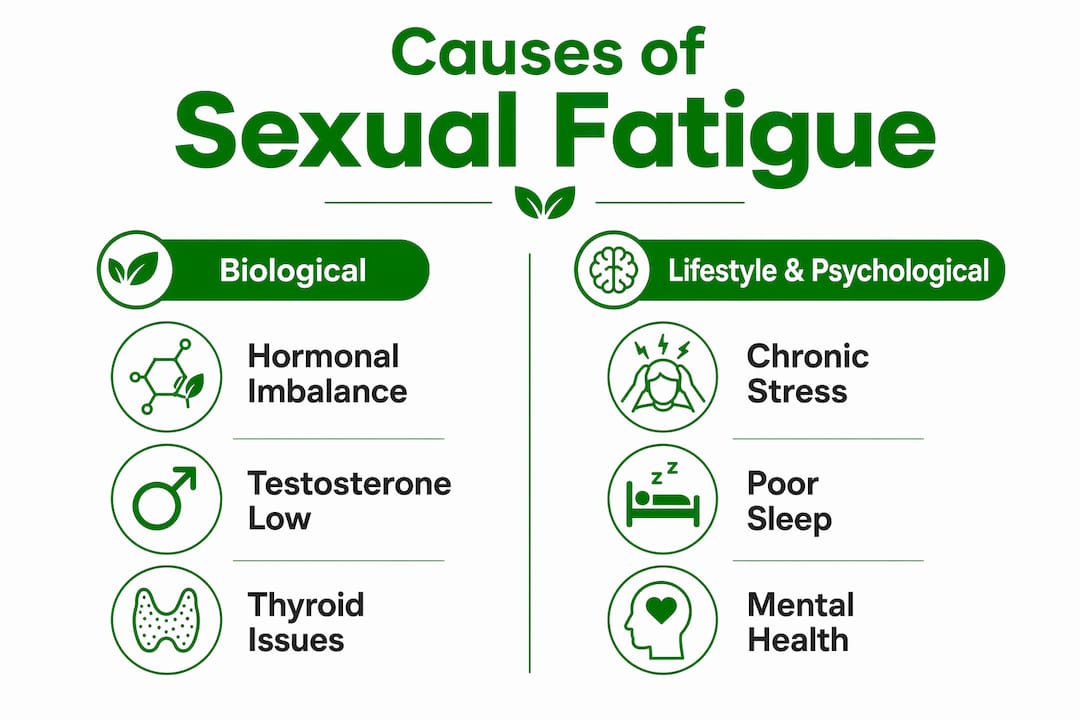
Nutrition shapes sexual vitality in ways most men do not connect to their bedroom performance. Deficiencies in zinc, vitamin D, and magnesium each impair testosterone production and nerve function. Poor diet also drives inflammation and metabolic dysfunction, both of which suppress libido. For a detailed look at how food choices affect desire, the relationship between diet and sex drive is worth understanding fully.
Medications are a frequently missed cause of sexual exhaustion in men. SSRIs and finasteride often cause sexual fatigue by affecting hormone and neurotransmitter balance. SSRIs reduce serotonin reuptake, which can blunt sexual motivation and delay orgasm. Finasteride, used for hair loss and prostate conditions, reduces dihydrotestosterone (DHT), a potent androgen that contributes to libido. Men taking either medication should discuss sexual side effects openly with their doctor rather than assuming the fatigue is unrelated.
Common lifestyle contributors to male sexual fatigue:
- Poor sleep quality or undiagnosed Obstructive Sleep Apnea reducing nocturnal testosterone
- Nutritional deficiencies in zinc, vitamin D, and magnesium impairing hormone production
- Sedentary behaviour reducing cardiovascular efficiency and testosterone output
- Alcohol and recreational substance use suppressing central nervous system arousal
- Prescription medications including SSRIs, antihypertensives, and finasteride affecting libido directly
| Lifestyle Factor | Effect on Sexual Energy |
|---|---|
| Obstructive Sleep Apnea | Disrupts nocturnal testosterone production |
| Zinc deficiency | Reduces testosterone synthesis directly |
| SSRIs | Blunt dopamine and serotonin-driven arousal |
| Obesity | Converts testosterone to oestradiol |
| Sedentary lifestyle | Lowers cardiovascular health and hormone output |
Pro Tip: If you snore heavily or wake unrefreshed despite a full night’s sleep, ask your GP about a sleep study. Treating Obstructive Sleep Apnea has restored libido in men who had been misattributing their fatigue to low testosterone.
How do you distinguish sexual fatigue from other sexual health issues?
Sexual fatigue, low libido, erectile dysfunction, and hypogonadism share overlapping symptoms but require different responses. Understanding the distinction helps you seek the right support rather than chasing the wrong solution.
Testosterone levels must be interpreted alongside medication history, mood, sleep quality, and vascular health. A holistic biopsychosocial assessment is the clinical standard, not a single blood test. This is why testosterone replacement therapy may not resolve sexual fatigue without first addressing underlying sleep disorders and stress. Treating the hormone without treating the cause is like silencing a fire alarm without putting out the fire.
Sexual desire also exists in two distinct forms. Spontaneous desire arises automatically, without external cues. Responsive desire is triggered by context, touch, or intimacy. Psychological stress principally suppresses spontaneous libido, which is why a man under chronic stress may feel no desire until he is already in an intimate situation. Recognising this distinction prevents unnecessary alarm and guides more targeted support.
| Condition | Primary Cause | Key Distinguishing Feature |
|---|---|---|
| Sexual fatigue | Cumulative stress, poor sleep, hormonal load | Gradual onset, improves with rest and lifestyle change |
| Low libido (HSDD) | Hormonal or psychological | Persistent beyond six months, affects all contexts |
| Erectile dysfunction | Vascular, neurological, or psychological | Desire present but physical response impaired |
| Hypogonadism | Clinically low testosterone | Confirmed by two fasting morning blood tests below 300 ng/dL |
Signs of sexual fatigue in men worth monitoring include persistent low motivation for intimacy, reduced frequency of spontaneous desire, general tiredness that worsens after sexual activity, and emotional withdrawal from a partner. If these signs persist beyond four to six weeks, a GP consultation with a full hormonal and lifestyle review is the appropriate next step.
Key takeaways
Sexual fatigue in men is caused by a combination of hormonal imbalance, chronic stress, poor sleep, and lifestyle factors that require a holistic assessment rather than a single-marker fix.
| Point | Details |
|---|---|
| Hormonal thresholds matter | Testosterone below 300 ng/dL confirmed by two fasting morning tests indicates a clinical hormonal cause. |
| Cortisol suppresses libido directly | Chronic stress raises cortisol, which acts as a biochemical antagonist to testosterone and sexual desire. |
| Sleep quality drives testosterone | Obstructive Sleep Apnea and sleep fragmentation reduce nocturnal testosterone, directly lowering libido. |
| Medications are a hidden cause | SSRIs and finasteride affect neurotransmitter and hormone balance, causing sexual fatigue as a side effect. |
| Holistic assessment is essential | Testosterone levels must be read alongside sleep, mood, medication, and metabolic health for accurate diagnosis. |
Why most men are looking in the wrong place
I have spent years reading the research on male sexual health, and the pattern that stands out most clearly is this: men almost always look for a single cause. They want it to be testosterone. Or stress. Or their diet. The reality is that sexual fatigue is almost always a convergence of factors, and the men who recover fastest are the ones who accept that complexity rather than fighting it.
What frustrates me about the current conversation around male sexual exhaustion is how quickly it jumps to hormone replacement. Testosterone therapy has genuine value for men with confirmed hypogonadism. But for the majority of men experiencing sexual fatigue, the root cause is a combination of disrupted sleep, unmanaged stress, and nutritional gaps that no injection or gel will fix on its own. I have seen men spend months on testosterone therapy with minimal improvement because nobody addressed their Obstructive Sleep Apnea or their 70-hour working weeks.
The other thing I want men to understand is that responsive desire is not a sign of weakness or dysfunction. If your spontaneous desire has dropped but you still feel engaged once intimacy begins, that is a meaningful clinical clue. It points toward psychological and stress-related causes rather than a primary hormonal deficit. That distinction changes everything about how you approach recovery.
Patience is not passive. Adjusting sleep, reducing cortisol load, correcting nutritional deficiencies, and exploring herbal roots for male libido are all active, evidence-informed steps. They take time, but they address the actual system rather than masking one symptom.
— Ayomide
Support your sexual vitality naturally with Gear1
If you have recognised yourself in this article, the next step is not panic. It is a practical, considered response to what your body is telling you.
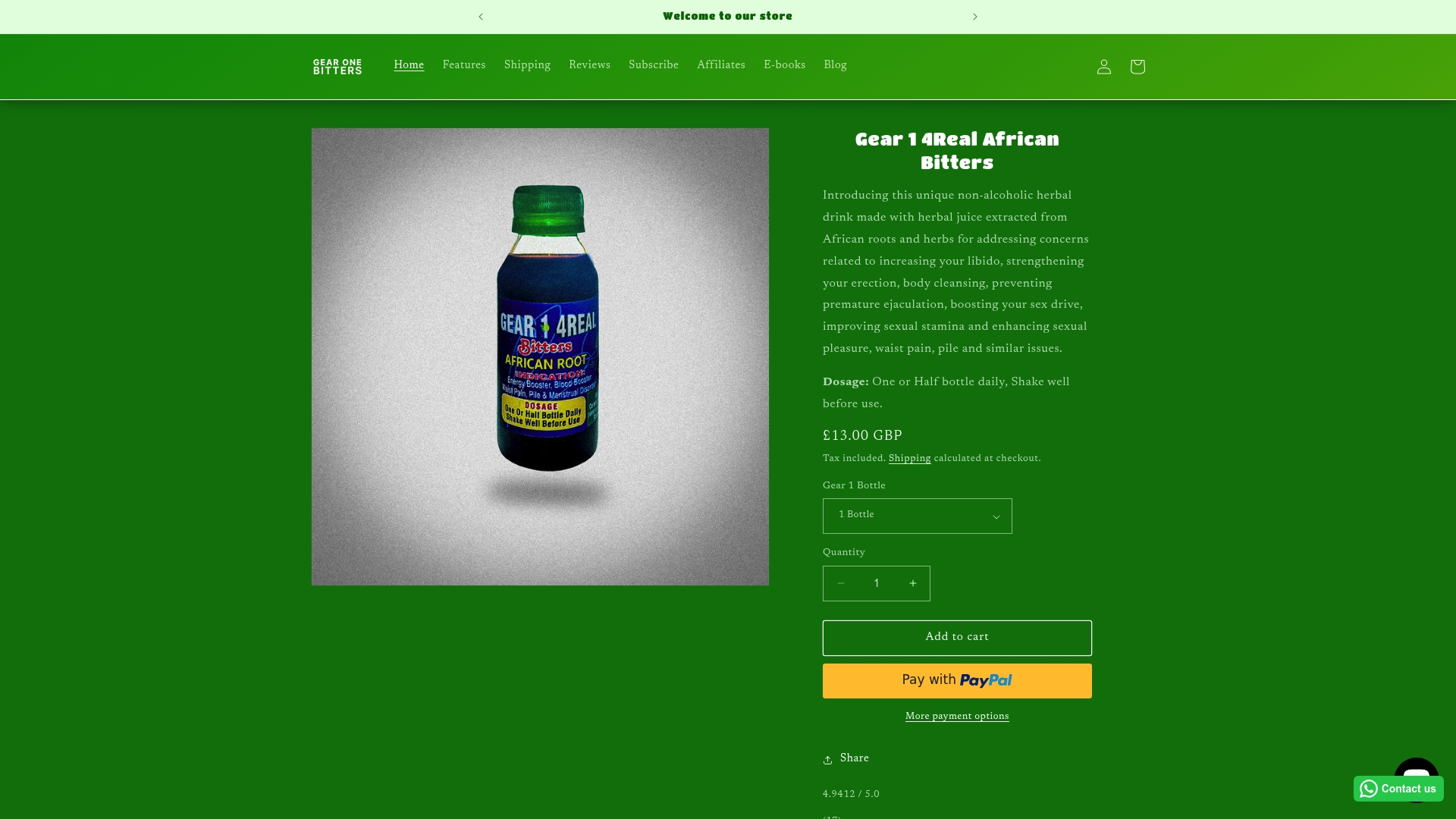
Gear1 is a non-alcoholic herbal drink made with juice extracted from African roots and herbs, formulated specifically to support male libido, sexual stamina, and energy. The herbal ingredients in Gear1 4Real African Bitters are selected for their role in supporting hormonal balance, reducing sexual exhaustion, and restoring drive without synthetic compounds. For men dealing with the cumulative effects of stress, poor sleep, and nutritional gaps on their sexual health, Gear1 offers a natural, targeted place to start. Go ahead and explore what these African roots can do for your vitality.
FAQ
What is the most common cause of sexual fatigue in men?
Chronic stress is the most common cause, as elevated cortisol directly suppresses testosterone and dampens libido. Poor sleep quality, particularly from Obstructive Sleep Apnea, is a close second and is frequently undiagnosed.
How long does sexual fatigue last in men?
Sexual fatigue that resolves with rest and lifestyle changes typically lasts days to weeks. When low desire persists beyond six months, it meets the clinical definition of Male Hypoactive Sexual Desire Disorder and warrants a GP assessment.
Can medications cause sexual fatigue in men?
Yes. SSRIs and finasteride are two of the most common pharmaceutical causes of sexual fatigue in men, affecting neurotransmitter and hormone balance respectively. Men experiencing this side effect should speak with their prescribing doctor before making any changes.
Does poor sleep really affect male libido?
Poor sleep directly reduces testosterone production. Sleep fragmentation and Obstructive Sleep Apnea both lower daytime testosterone levels, which reduces sexual desire and energy in a measurable, physiological way.
When should a man see a doctor about sexual fatigue?
A man should seek medical evaluation if signs of sexual fatigue persist beyond four to six weeks, particularly if accompanied by general tiredness, low mood, or changes in erection quality. A full hormonal panel including testosterone, prolactin, thyroid, and SHBG is the appropriate starting point.
Recommended
- Why men lose sexual interest: causes and solutions – Gear 1 4Real African Bitters
- What causes low sex drive in men: a clear guide – Gear 1 4Real African Bitters
- The role of testosterone in sex drive: men’s guide – Gear 1 4Real African Bitters
- How to increase male libido naturally: 2026 guide – Gear 1 4Real African Bitters
About Gear 1 4Real African Bitters — a non-alcoholic herbal bitters made from African root and herb extracts, blended to a traditional recipe rooted in generations of use. See the product and full ingredients list.
Food supplement. Not intended to diagnose, treat, cure or prevent any disease.