
Testosterone is the primary hormone governing male sexual desire, acting on specific brain circuits to generate the motivation and interest that underpin a healthy sex drive. Clinically, this relationship is known as androgen-mediated libido regulation, and understanding it helps separate fact from the considerable noise surrounding testosterone supplementation. The role of testosterone in sex drive is real but probabilistic. Low testosterone increases the likelihood of reduced libido without guaranteeing it, and many men with below-range levels still report normal desire. This guide draws on 2026 clinical evidence to explain the mechanisms, the symptoms, and the practical steps worth taking.
How does testosterone influence sexual desire and motivation?
Testosterone drives libido primarily through androgen receptor signalling in the brain, not simply by fuelling physical performance. The hypothalamus and the medial preoptic area (MPOA) are the key structures involved. Androgen receptor-mediated neuroplasticity in these regions, combined with dopamine interaction in the brain’s reward circuitry, generates the anticipatory desire that most men recognise as sexual interest. When testosterone is adequate, this system fires reliably. When it falls significantly, the signal weakens.
The distinction between free testosterone and total testosterone matters here. Total testosterone includes the hormone bound to sex hormone-binding globulin (SHBG) and albumin, but only the unbound fraction, free testosterone, is biologically active. Free testosterone is often more indicative of libido symptoms than total testosterone, particularly when SHBG is elevated due to ageing, liver conditions, or thyroid dysfunction. A man can show a normal total testosterone reading on a blood panel and still experience low desire if his free testosterone is suppressed.
There is also a ceiling effect worth understanding. Testosterone does not increase libido indefinitely as levels rise. Once levels reach the mid-normal physiological range, additional testosterone produces no further gain in sexual motivation. This is why testosterone therapy targets mid-normal levels rather than the upper end of the reference range, and why supraphysiological doses used in performance contexts do not reliably translate into greater sexual interest.
Pro Tip: If you have had a testosterone test and your total level appears normal but your libido remains low, ask your doctor to calculate your free testosterone and check your SHBG. The full picture often tells a different story.
What symptoms reliably signal low testosterone?
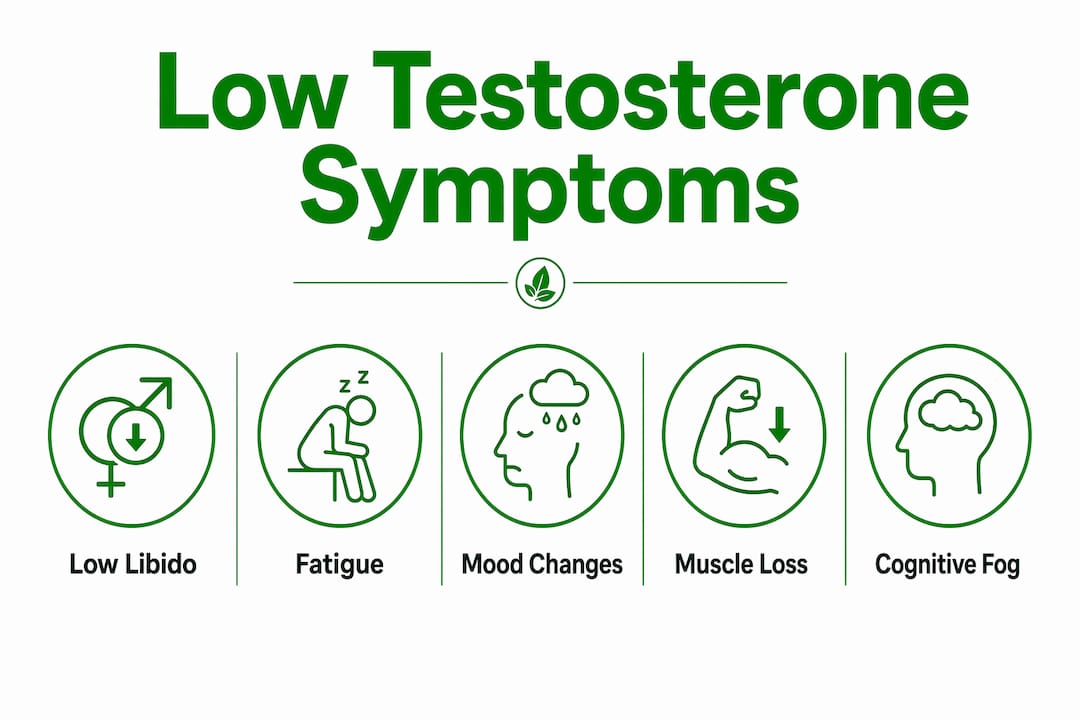
Not every symptom attributed to low testosterone in popular media actually correlates with androgen deficiency. The European Male Aging Study identified three sexual symptoms that cluster reliably with biochemical hypogonadism: decreased morning erections, low libido, and erectile dysfunction. These three form the most diagnostically relevant group when evaluating whether testosterone is genuinely the underlying issue.
It helps to understand what each symptom tells you individually:
- Decreased morning erections reflect reduced nocturnal androgen activity and are one of the earliest and most specific indicators of falling testosterone.
- Low libido is the most direct expression of reduced androgen-mediated brain signalling, though psychological and relational factors can produce identical symptoms.
- Erectile dysfunction is frequently multifactorial. Many ED cases stem from vascular, neurological, or psychogenic causes rather than hormonal deficiency, which is why treating testosterone alone often fails to resolve it.
The presence of all three symptoms together, rather than any single one in isolation, carries the strongest diagnostic weight. Other commonly cited complaints such as fatigue, low mood, and reduced muscle mass are less specific to testosterone and can arise from a wide range of conditions including depression, sleep disorders, and metabolic dysfunction. Treating those symptoms with testosterone without confirming androgen deficiency is a clinical misstep that remains surprisingly common.
How is low testosterone diagnosed and when is therapy recommended?
Diagnosis requires more than a single blood test. Biochemical confirmation alongside symptom clusters is the standard the Endocrine Society recommends before any treatment decision is made. The process follows a structured sequence:
- Symptom assessment. A clinician evaluates the presence of the three key sexual symptoms alongside other relevant history, including medication use, weight changes, and sleep quality.
- Morning testosterone measurement. Testosterone peaks between 7am and 10am. Testing outside this window routinely produces falsely low readings that mislead both patients and clinicians.
- Repeat sampling. A single low result is insufficient. Repeated, correctly timed testosterone testing is required to confirm deficiency, as levels fluctuate day to day.
- Free testosterone and SHBG calculation. Where total testosterone sits near the borderline, free testosterone measurement resolves ambiguity.
- LH and FSH assessment. These pituitary hormones distinguish primary hypogonadism (testicular failure) from secondary hypogonadism (pituitary or hypothalamic dysfunction). Secondary hypogonadism is more common and is frequently driven by modifiable factors such as obesity and sleep apnoea.
Testosterone therapy is recommended only for symptomatic men with confirmed androgen deficiency. The Endocrine Society guideline is explicit: testosterone replacement therapy (TRT) is not a general libido booster. It is a treatment for a confirmed clinical condition. When indicated, TRT improves sexual function, well-being, muscle mass, and bone density, with the goal of restoring levels to the mid-normal physiological range. Ongoing monitoring of haematocrit, prostate health, and mood is required throughout treatment.
Pro Tip: Before accepting a testosterone prescription, ask whether your LH and FSH have been tested. If your testosterone is low but your LH is also low or inappropriately normal, the problem may originate in the pituitary or hypothalamus, not the testes. That distinction changes the treatment approach entirely.
What other factors affect male sex drive beyond testosterone?
Testosterone is a significant driver of libido, but it operates within a broader biological and psychological context. Several other factors exert comparable or greater influence on sexual desire in men aged 25 to 55.
| Factor | Effect on sex drive |
|---|---|
| Obesity | Excess adipose tissue converts testosterone to oestrogen, lowering free testosterone and reducing desire |
| Sleep apnoea | Disrupts nocturnal testosterone production; treating it can raise levels without any hormone therapy |
| Psychological state | Depression, anxiety, and chronic stress suppress libido independently of testosterone levels |
| Relationship quality | Emotional disconnection and unresolved conflict are among the most common causes of reduced desire in otherwise healthy men |
| Oestrogen and progesterone | Elevated oestrogen in men, often from obesity or alcohol, directly suppresses androgen activity |
Lifestyle changes such as weight loss and improved sleep can raise testosterone levels and resolve sexual symptoms without any pharmacological intervention. This is particularly relevant for secondary hypogonadism, where the underlying driver is often a modifiable condition rather than irreversible testicular or pituitary damage. A man who loses 10 to 15 per cent of his body weight through diet and exercise may see his testosterone rise meaningfully and his libido follow. That outcome is achievable without a prescription.
Ageing also plays a role, though a more modest one than popular culture suggests. Testosterone declines roughly 1% per year from around age 30 to 40, and the NHS notes this rate of decline is unlikely to affect libido significantly in most men. The men who experience clinically meaningful drops typically have compounding factors such as obesity, chronic illness, or sleep disorders accelerating the decline.
What practical steps support healthy testosterone and sex drive?
The most evidence-based approach to maintaining sexual health combines targeted lifestyle changes with appropriate medical evaluation, rather than defaulting to supplements or self-prescribed hormone therapy.
- Prioritise sleep quality. Testosterone is produced primarily during deep sleep. Men with untreated sleep apnoea consistently show suppressed testosterone and reduced libido. Diagnosis and treatment of sleep disorders is one of the highest-return interventions available.
- Manage body weight. Obesity is one of the most modifiable drivers of low testosterone. Even modest reductions in body fat improve the free testosterone-to-oestrogen ratio and support sexual desire.
- Exercise with resistance training. Compound movements such as squats and deadlifts stimulate testosterone production acutely and support long-term hormonal balance. Consistent resistance training also improves body composition, which compounds the hormonal benefit.
- Reduce alcohol consumption. Alcohol suppresses testosterone production and elevates oestrogen. Chronic heavy drinking is a well-documented cause of low testosterone and sexual health deterioration.
- Seek proper diagnosis before supplementing. Over-the-counter testosterone boosters are largely unregulated and unsupported by clinical evidence. Self-medicating with them delays accurate diagnosis and can mask underlying conditions. Testosterone therapy side effects including weight gain, mood changes, and fertility impairment make unsupervised use genuinely risky.
Herbal and natural approaches can complement a healthy lifestyle when chosen carefully. Products formulated with traditional African herbs, such as those used in Gear1’s range, are designed to support libido and sexual stamina as part of a broader wellness routine. They work best alongside the lifestyle foundations described above, not as a replacement for them. You can read more about natural approaches to male libido in Gear1’s dedicated guide.
Key takeaways
Testosterone influences male libido through androgen signalling in the brain, but diagnosis, lifestyle, and psychological health determine whether treatment is needed and what form it should take.
| Point | Details |
|---|---|
| Testosterone and libido | Testosterone drives desire via brain androgen receptors, not physical performance alone. |
| Free testosterone matters | Low free testosterone, not just low total testosterone, is the more reliable marker of libido symptoms. |
| Three diagnostic symptoms | Decreased morning erections, low libido, and erectile dysfunction together signal androgen deficiency most reliably. |
| Lifestyle first | Weight loss, sleep treatment, and exercise can restore testosterone and libido without hormone therapy. |
| TRT is not universal | Testosterone replacement is a treatment for confirmed deficiency, not a general sex drive enhancer. |
Testosterone and libido: what the numbers don’t tell you
I have spent considerable time reviewing the clinical literature on testosterone and sexual health, and the single most consistent finding is how poorly a blood test number predicts a man’s actual experience. Men come in with testosterone levels at the bottom of the reference range and report a satisfying sex life. Others sit comfortably mid-range and feel no desire whatsoever. The number is a data point, not a verdict.
What the media coverage of testosterone rarely acknowledges is that the relationship between androgen levels and desire is mediated by the brain, and the brain is shaped by sleep, stress, relationship quality, and self-perception in ways that no hormone injection can override. I have seen men pursue TRT for years while the real driver of their low libido was an unaddressed sleep disorder or a relationship that had quietly deteriorated. Treating the testosterone without addressing those factors produced minimal benefit.
The most useful shift in thinking is this: testosterone is a necessary condition for healthy male libido, but it is not a sufficient one. If your levels are genuinely deficient and confirmed by proper testing, restoring them will likely help. If your levels are normal and your desire is still low, the answer lies elsewhere, and a good clinician will help you find it. Go ahead and get the full picture before committing to any treatment.
— Ayomide
Support your sexual health with Gear1 4Real African Bitters
If you are working to maintain healthy testosterone levels and a strong sex drive, the right daily habits make all the difference. Gear1 4Real African Bitters is a non-alcoholic herbal drink formulated from African roots and herbs, designed to support libido, sexual stamina, and erection strength as part of a balanced lifestyle.
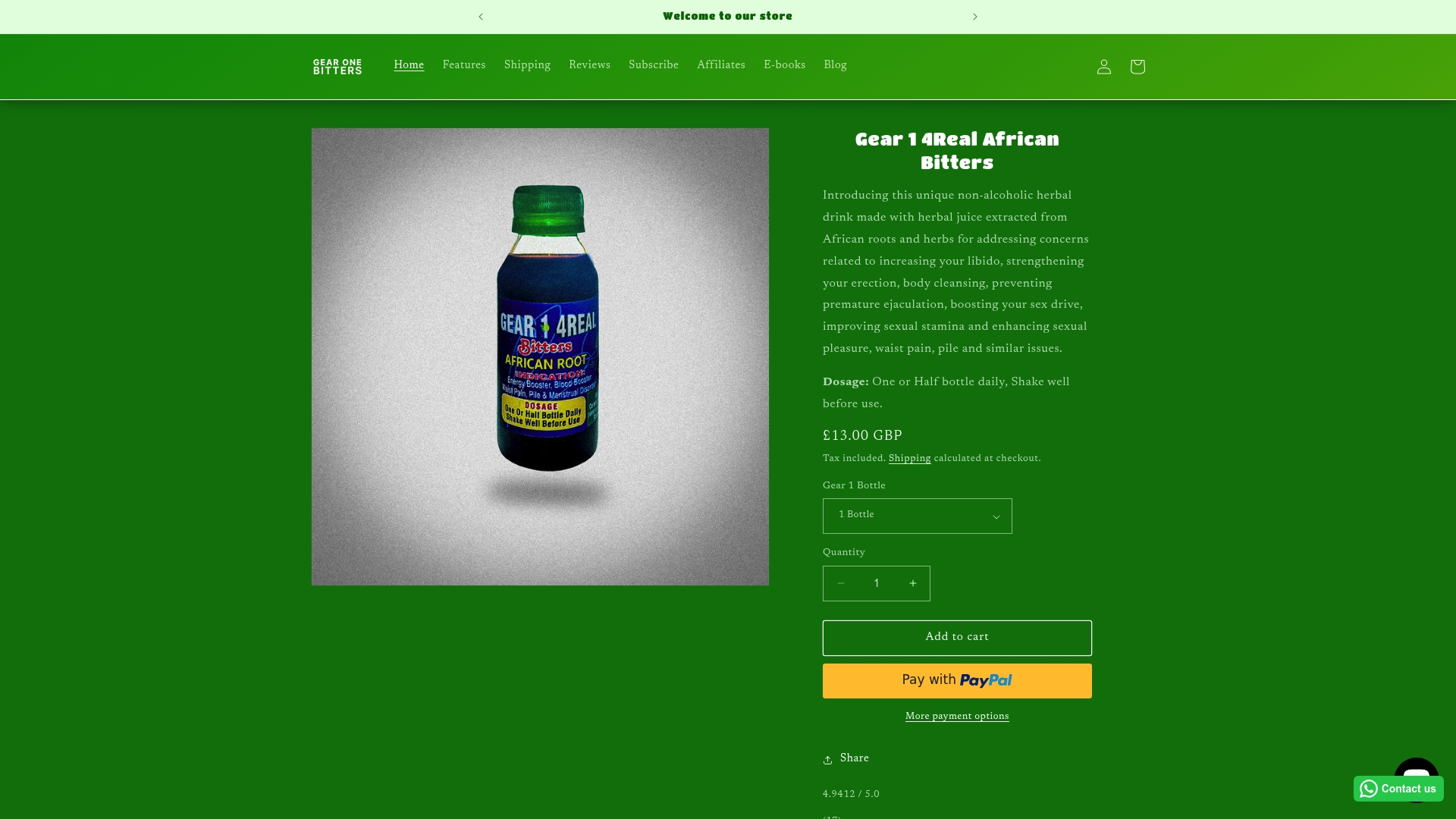
Gear1 is not a replacement for medical treatment where it is needed. It is a natural complement to the lifestyle foundations that support hormonal balance and sexual vitality. Explore the herbal bitters ingredients to see exactly what goes into each bottle, and discover how traditional African herbal wisdom can work alongside your health goals. You can also review the full product features and benefits to understand how Gear1 supports men’s sexual health from the inside out.
FAQ
Does low testosterone always cause low sex drive?
No. Low testosterone increases the likelihood of reduced libido but does not guarantee it. Some men with clinically low levels maintain a normal sex drive, which is why symptoms must be assessed alongside lab results.
What is the difference between total and free testosterone?
Total testosterone includes hormone bound to proteins such as SHBG, while free testosterone is the biologically active fraction. Free testosterone is more indicative of libido symptoms, particularly when SHBG is elevated.
Can lifestyle changes improve testosterone without therapy?
Yes. Weight loss, resistance training, and treatment of sleep apnoea are all evidence-based interventions that can raise testosterone and improve sexual symptoms without hormone therapy.
When is testosterone replacement therapy appropriate?
TRT is appropriate only for men with confirmed androgen deficiency, meaning consistent symptoms plus repeated low morning testosterone readings. It is not recommended as a general treatment for low libido in men with normal levels.
How does erectile dysfunction relate to testosterone?
ED is frequently multifactorial, with vascular, neurological, and psychological causes all contributing. Low testosterone may play a role, but many ED cases are not resolved by testosterone therapy alone.
Recommended
- What causes low sex drive in men: a clear guide – Gear 1 4Real African Bitters
- How to increase male libido naturally: 2026 guide – Gear 1 4Real African Bitters
- Natural ways to increase testosterone in men – Gear 1 4Real African Bitters
- Herbal roots for male libido: top 6 proven options – Gear 1 4Real African Bitters
About Gear 1 4Real African Bitters — a non-alcoholic herbal bitters made from African root and herb extracts, blended to a traditional recipe rooted in generations of use. See the product and full ingredients list.
Food supplement. Not intended to diagnose, treat, cure or prevent any disease.