Diet directly controls sex drive by regulating the metabolic and hormonal systems your body depends on for sexual desire and function. This is not about eating oysters before a date. The connection between nutrition and libido, the clinical term for sexual desire, runs through blood sugar regulation, testosterone production, vascular health, and energy availability. When these systems are well supported by what you eat, sexual desire tends to follow. When they are disrupted by poor nutrition, libido is often one of the first casualties.
Why diet affects sex drive through metabolic health
The most direct pathway linking diet to libido is metabolic health. Unstable blood sugar and insulin resistance disrupt hormone signalling, reducing the energy and arousal-related physiology that sexual desire depends on. This matters because testosterone, oestrogen, and progesterone are all sensitive to insulin levels and glycaemic control. When blood sugar swings wildly due to a diet high in refined carbohydrates and sugar, the hormonal environment becomes unstable, and libido suffers as a direct result.
Vascular health is equally central to this picture. Arousal in both men and women depends on healthy blood flow to genital tissue. A diet that damages blood vessels through chronic inflammation, elevated triglycerides, or oxidised LDL cholesterol impairs this circulation. Insulin resistance and hyperglycaemia impair endothelial function, meaning the inner lining of blood vessels stops responding correctly to arousal signals. This is why normal testosterone levels alone do not guarantee intact sexual function.
The clinical evidence is substantial. A large real-world cohort analysis of over 200,000 individuals found clear associations between metabolic control and sexual function scores. Men with type 2 diabetes and erectile dysfunction carried significantly higher cardiovascular risk, and improvements in glycaemia and body weight correlated with measurable gains in sexual function. This tells you that fixing your metabolic health through diet is one of the most reliable ways to restore sexual vitality.
| Metabolic factor | Impact on libido |
|---|---|
| Insulin resistance | Disrupts testosterone and oestrogen signalling |
| Chronic inflammation | Damages blood vessel lining, reducing arousal-related blood flow |
| Elevated blood glucose | Impairs endothelial function and neural responsiveness |
| Obesity | Lowers free testosterone through increased oestrogen conversion |
Pro Tip: Track your fasting blood glucose and waist circumference alongside any libido concerns. These two markers are among the most reliable early indicators of metabolic dysfunction affecting sexual health.
How calorie intake shapes your sexual desire
Calorie intake has a direct and measurable effect on libido, and the relationship is not simply “eat less, feel worse.” The body treats reproduction as a luxury function. When energy is scarce, the hypothalamus reduces gonadotropin-releasing hormone (GnRH) output, which in turn lowers luteinising hormone and follicle-stimulating hormone. The result is suppressed testosterone and disrupted oestrogen cycles, both of which reduce sexual desire. This is a physiological response, not a psychological one.
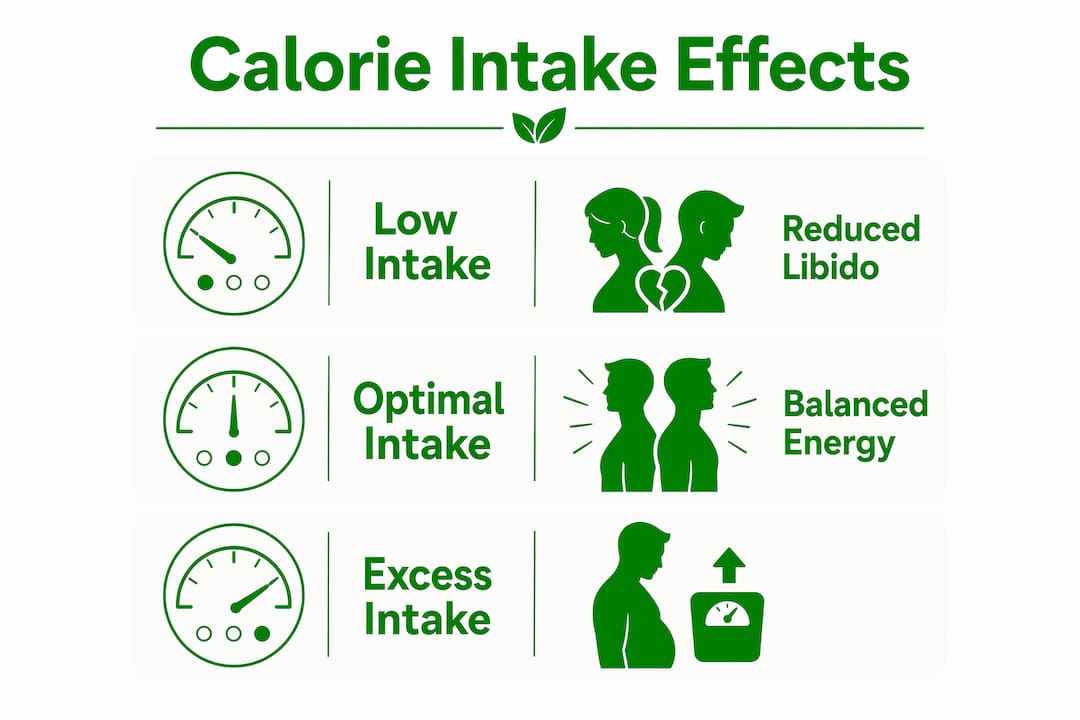
Very-low-energy diets, defined as those providing 800 kilocalories per day or fewer, carry the highest risk of libido suppression. At this intake level, the hypothalamic-pituitary-gonadal axis essentially downregulates reproductive function to preserve survival. The risk correlates with both deficit magnitude and duration, not just total weight loss. Someone losing weight slowly on a moderate deficit is far less likely to experience libido loss than someone crash-dieting aggressively.
Moderate calorie deficits tell a different story. In overweight individuals, a sensible reduction in calorie intake that produces gradual weight loss can actually improve libido by reducing oestrogen conversion from fat tissue and improving insulin sensitivity. The key distinctions are:
- Deficits above 800 kcal/day but below 500 kcal/day from maintenance rarely suppress reproductive hormones
- Adequate protein intake (at least 1.2 grams per kilogram of body weight) protects against hormone disruption during weight loss
- Micronutrient adequacy, particularly zinc and vitamin D, is more important than total calories in sustaining testosterone production
- Psychological stress from extreme restriction compounds hormonal suppression, creating a compounding effect on desire
Pro Tip: If you are dieting and notice a drop in libido, check your daily calorie total first. If you are consistently below 1,200 kcal/day, your body may be prioritising survival over sexual function. Increasing intake by even 200 to 300 calories can restore hormonal signalling within weeks.
Which dietary patterns and foods support sexual health?
The Mediterranean diet is the most clinically validated dietary pattern for sexual health. A 2026 randomised trial reported a 36% reversal of metabolic syndrome with the Mediterranean diet versus a low-fat diet after six months. Metabolic syndrome reversal directly translates to improved vascular function, better insulin sensitivity, and a more favourable hormonal environment for libido. The diet’s emphasis on olive oil, oily fish, legumes, nuts, and fresh vegetables addresses nearly every metabolic driver of low sex drive simultaneously.
Specific nutrients matter within this broader pattern. Omega-3 fatty acids from oily fish such as mackerel and sardines reduce vascular inflammation and support nitric oxide production, which is the molecule responsible for smooth muscle relaxation and blood flow during arousal. Zinc, found in pumpkin seeds, shellfish, and red meat, is a direct precursor to testosterone synthesis. Vitamin D, obtained from sunlight and fatty fish, regulates androgen receptor sensitivity. Antioxidants from berries, dark leafy greens, and colourful vegetables reduce oxidative stress that would otherwise damage hormone-producing cells.
The myth of the instant aphrodisiac deserves direct correction. Experts confirm that no single food produces immediate arousal. What foods labelled as aphrodisiacs actually do is support blood flow, reduce inflammation, balance hormones, and improve gut health over time. Oysters are high in zinc. Dark chocolate contains flavonoids that support circulation. Chillies stimulate endorphin release. These are real mechanisms, but they operate over weeks and months of consistent consumption, not hours.
Dietary habits that suppress libido are equally worth knowing. High sugar intake drives insulin resistance and chronic inflammation. Ultra-processed foods displace the micronutrients needed for hormone synthesis. Excessive alcohol disrupts testosterone production and impairs neural sensitivity. A diet built around these foods does not just affect weight. It systematically dismantles the hormonal and vascular infrastructure that sexual desire depends on. For a deeper look at low sex drive causes, the dietary component is consistently underestimated.
How diet affects sex drive differently in men and women
Men and women share the same broad metabolic pathways, but the hormonal targets differ in ways that make certain dietary choices more or less relevant depending on biological sex. Men and women respond differently to dietary influences on sex drive, with men benefiting most from foods that support testosterone and nitric oxide, while women benefit more from foods that support oestrogen and progesterone balance and vascular responsiveness.
For men, the primary nutritional concern is maintaining free testosterone. Zinc, vitamin D, and adequate dietary fat are the three most critical nutrients. Testosterone is a steroid hormone synthesised from cholesterol, so very-low-fat diets can impair its production. Men who follow extremely low-fat dietary patterns often report reduced libido, and this is a direct consequence of limiting the raw material for hormone synthesis. Understanding the role of testosterone in sex drive clarifies why fat intake matters so much for male sexual health.
For women, the picture is more complex because oestrogen and progesterone fluctuate across the menstrual cycle and are sensitive to body fat levels, stress hormones, and gut microbiome health. Women with very low body fat, common in extreme dieters or endurance athletes, often experience disrupted cycles and reduced libido because oestrogen production requires adequate adipose tissue. Phytoestrogens from flaxseeds and soy can support oestrogen balance in some women, though individual responses vary considerably.
Neurological and vascular sexual responsiveness also differ between sexes. Women’s arousal depends more heavily on central nervous system factors, meaning that nutrients supporting serotonin and dopamine production, such as tryptophan from turkey and eggs, and magnesium from dark chocolate and leafy greens, have a more pronounced effect on female desire. Men’s arousal is more vascular in nature, making nitric oxide precursors like L-arginine from nuts and seeds particularly relevant.
Key takeaways
Diet shapes libido through metabolic health, hormonal signalling, and energy availability, making consistent nutritional choices the most reliable long-term strategy for sexual vitality.
| Point | Details |
|---|---|
| Metabolic health is the core mechanism | Insulin resistance and poor glycaemic control disrupt hormone signalling and vascular arousal pathways. |
| Severe calorie restriction suppresses libido | Diets at or below 800 kcal/day downregulate reproductive hormones through hypothalamic signalling. |
| Mediterranean diet has the strongest evidence | A 2026 trial showed 36% metabolic syndrome reversal, directly improving conditions for sexual health. |
| No single food is an aphrodisiac | Libido-supporting foods work through blood flow, hormone balance, and inflammation reduction over time. |
| Sex-specific nutritional needs exist | Men need testosterone-supporting nutrients; women need hormonal balance and neurological support. |
Diet and libido: what I have learned from years of watching people get this wrong
Most people approach the diet-libido connection backwards. They look for the one food or supplement that will switch desire back on, when the real work is removing what is switching it off. I have seen men with perfectly normal testosterone readings who have almost no sexual interest, and in nearly every case, the culprit is metabolic dysfunction driven by diet. Chronically elevated blood sugar, systemic inflammation from processed food, and micronutrient depletion from calorie-poor diets are the real antagonists here.
The other mistake I see constantly is aggressive calorie restriction in the name of getting in shape for better sex. The logic is understandable but the physiology works against it. Your body does not know you are dieting to feel more confident. It reads severe energy restriction as a survival threat and shuts down reproductive function accordingly. Gradual, nutrient-dense approaches to weight management protect libido far better than crash diets.
What actually works is unglamorous but consistent: stable blood sugar through whole foods, adequate protein and healthy fats, micronutrients from varied plant and animal sources, and enough calories to signal safety to your hypothalamus. Pair that with natural herbal support where appropriate, and you have a foundation that serves sexual health for the long term. Go ahead and make the shift. The results compound over weeks, not days, but they are real.
— Ayomide
Support your diet with Gear1’s herbal formula
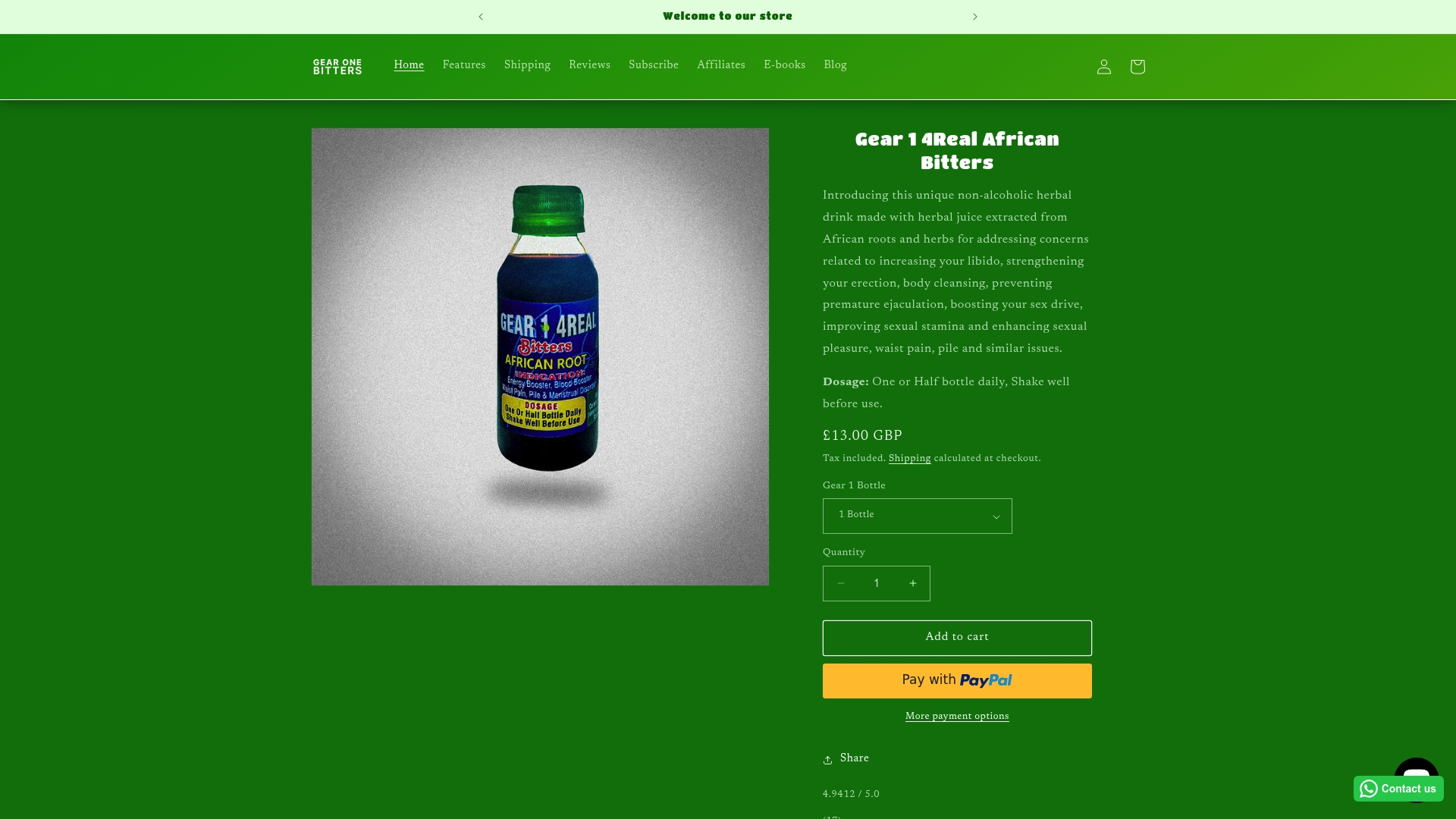
Diet builds the foundation, but sometimes the body needs additional support to restore full sexual vitality. Gear1 is a non-alcoholic herbal drink made from African roots and herbs, formulated specifically to complement a health-supporting diet. The herbal ingredients in Gear1 work alongside your nutritional choices to support libido, strengthen erections, improve sexual stamina, and enhance overall sexual pleasure. For men who have already made dietary improvements and want to accelerate their results, Gear1 offers a natural, evidence-informed next step. Explore how African herbs boost libido and consider adding Gear1 to your daily wellness routine.
FAQ
Does diet directly cause low libido?
Diet directly causes low libido by disrupting the metabolic and hormonal systems that regulate sexual desire. Poor glycaemic control, micronutrient deficiencies, and chronic inflammation from unhealthy eating patterns all suppress testosterone, oestrogen, and vascular arousal function.
Which foods are best for sexual health?
The best foods for sexual health include oily fish rich in omega-3s, zinc-containing foods such as pumpkin seeds and shellfish, vitamin D sources like salmon, and antioxidant-rich vegetables and berries. These nutrients support hormone production, blood flow, and inflammation control, the three pillars of healthy libido.
Can a calorie deficit lower sex drive?
A calorie deficit lowers sex drive when it is severe enough to suppress hypothalamic-pituitary-gonadal signalling. Diets providing 800 kilocalories per day or fewer carry the highest risk, while moderate deficits in overweight individuals can actually improve libido by reducing oestrogen conversion from excess fat tissue.
Is the Mediterranean diet good for libido?
The Mediterranean diet is the most evidence-supported dietary pattern for libido because it improves insulin sensitivity, reduces inflammation, and supports vascular health. A 2026 randomised trial found it reversed metabolic syndrome in 36% of participants, directly improving the conditions needed for healthy sexual function.
Do men and women need different diets for libido?
Men benefit most from nutrients that support testosterone production and nitric oxide synthesis, including zinc, vitamin D, and healthy fats. Women benefit more from foods that support oestrogen and progesterone balance and neurological arousal, such as magnesium-rich and tryptophan-containing foods.
Recommended
- What causes low sex drive in men: a clear guide – Gear 1 4Real African Bitters
- The role of testosterone in sex drive: men’s guide – Gear 1 4Real African Bitters
- Natural herbs boosting sex drive: 9 proven options – Gear 1 4Real African Bitters
- Why men lose sexual interest: causes and solutions – Gear 1 4Real African Bitters
About Gear 1 4Real African Bitters — a non-alcoholic herbal bitters made from African root and herb extracts, blended to a traditional recipe rooted in generations of use. See the product and full ingredients list.
Food supplement. Not intended to diagnose, treat, cure or prevent any disease.