
Stress is a direct cause of reduced male libido, operating through hormonal, neurological, and psychological pathways that systematically shut down sexual desire. Around half of adults report stress severe enough to negatively affect sexual desire. That figure alone signals how widespread this problem is. The clinical term for stress-related sexual decline is stress-induced hypogonadism, though men often experience it simply as a loss of drive, energy, and confidence in the bedroom. Understanding why stress kills male libido is the first step toward reclaiming your sexual health.
Why does stress kill male libido through hormones?
Cortisol is the body’s primary stress hormone, and it has a direct, inverse relationship with testosterone. When cortisol rises, testosterone falls. Chronic stress elevates cortisol, which suppresses the hypothalamic-pituitary-gonadal (HPG) axis, the control system that signals the testes to produce testosterone. Less testosterone means less sexual desire, lower energy, and reduced capacity for arousal.

The body treats survival as its top priority. Under sustained stress, it prioritises cortisol production over sex hormone synthesis, effectively diverting resources away from reproduction. This is not a malfunction. It is a survival mechanism that made sense in short-term emergencies but causes real harm when stress becomes chronic.
Testosterone is the primary driver of male sexual desire and performance. Low levels affect not just libido but also mood, muscle mass, and motivation. Men with chronically elevated cortisol often report feeling flat, disinterested in sex, and physically drained, even when nothing else appears wrong.
Sleep compounds the problem significantly. Poor sleep caused by stress reduces peak testosterone production phases, further lowering libido and energy within days. A man losing sleep to work pressure or anxiety is simultaneously losing the hormonal foundation his sex drive depends on.
Pro Tip: Prioritise seven to nine hours of sleep per night. Testosterone production peaks during deep sleep, so protecting sleep quality is one of the most direct ways to support hormonal balance.
Key hormonal effects of elevated cortisol on male sexual health:
- Suppression of the HPG axis, reducing testosterone output
- Depletion of sex hormone precursors diverted to cortisol synthesis
- Disrupted sleep cycles that cut peak testosterone production
- Lower energy and mood, reducing motivation for intimacy
How does stress disrupt the brain signals behind sexual arousal?
Sexual function depends on tightly coordinated neuroendocrine signalling that stress actively disrupts, affecting desire, arousal, orgasm, and satisfaction. The nervous system has two modes: the sympathetic system, which governs the fight-or-flight response, and the parasympathetic system, which governs rest, digestion, and sexual arousal. Stress activates the sympathetic system and keeps it dominant. Sexual arousal requires the parasympathetic system to take over. The two cannot operate fully at the same time.
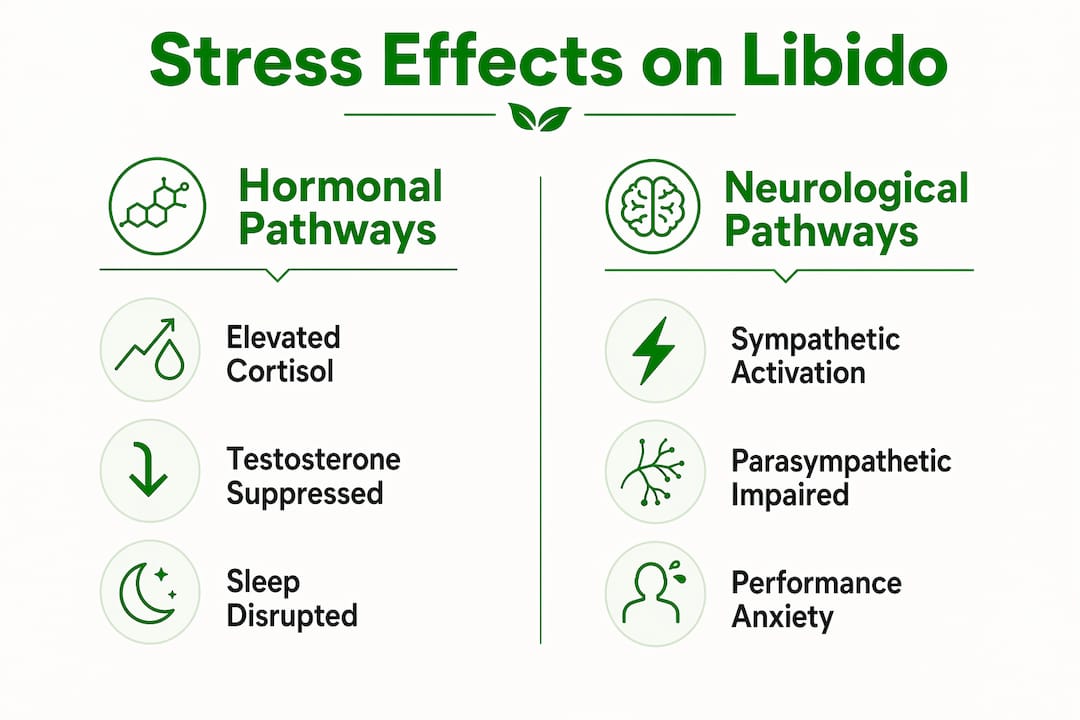
Stress activates the sympathetic nervous system, impairing the parasympathetic-driven processes essential for erection and desire. A man under pressure at work or dealing with financial anxiety is neurologically primed for alertness, not intimacy. His body is preparing to respond to a threat, not to connect with a partner.
Performance anxiety adds another layer of disruption. Once a man experiences a stress-related erection problem, anxiety about future performance becomes its own stressor. Stress-driven performance anxiety creates a feedback loop, reinforcing erectile dysfunction well beyond the original stress source. The fear of failure becomes the cause of failure.
Depression and anxiety link directly to lower libido and sexual dysfunction. Emotional distress leads to withdrawal from intimacy, reduced motivation, and a diminished sense of self-worth that makes sexual connection feel distant. This is not weakness. It is a predictable neurological response to sustained psychological pressure.
Pro Tip: Mindfulness-based stress reduction (MBSR) techniques, practised for as little as ten minutes daily, can shift the nervous system toward parasympathetic dominance and reduce performance anxiety over time.
A practical framework for recognising stress-related neurological impact on libido:
- You feel mentally exhausted before any sexual encounter begins.
- Erections are inconsistent despite physical attraction to your partner.
- You find yourself avoiding intimacy to sidestep the anxiety of potential failure.
- Your mood is flat or irritable, making emotional connection feel difficult.
- You notice the problem worsens during high-pressure periods at work or home.
If three or more of these apply, stress is likely a primary factor in your reduced sexual drive.
Does chronic stress affect male reproductive health beyond libido?
Chronic stress does not stop at reducing desire. It reaches into sperm quality, motility, and fertility through systemic pathways that go far beyond simple hormonal suppression. Chronic psychological stress disrupts gut microbiota and vitamin A and E metabolism, causing systemic reproductive health issues including low sperm motility and count. This gut-testis axis connection is one of the most significant recent findings in male reproductive medicine.
The gut microbiome plays a direct role in regulating inflammation, nutrient absorption, and hormone metabolism. When stress destabilises the gut microbiota, the downstream effects include impaired sperm production and reduced fertility. This means that treating stress-related sexual dysfunction requires addressing neuroendocrine and molecular disruptions beyond testosterone levels alone, including gut microbiota modulation.
| Pathway | Stress effect | Reproductive consequence |
|---|---|---|
| HPG axis suppression | Reduced testosterone output | Lower libido and sperm production |
| Gut microbiota disruption | Vitamin A and E depletion | Impaired sperm motility and count |
| Sympathetic nervous system | Impaired blood flow | Erectile difficulty |
| Sleep disruption | Reduced testosterone peaks | Fatigue and hormonal imbalance |
Emerging treatments targeting microbiota and vitamin supplementation, including Lactobacillus strains and vitamins A and E, show genuine promise in mitigating stress-related sperm dysfunction. This is an area where nutrition and gut health intersect directly with male fertility. Understanding why diet affects sex drive gives men a practical entry point into supporting their reproductive health from the inside out.
The key takeaway here is that chronic stress is a multi-organ problem. It does not simply lower one hormone. It disrupts the gut, the brain, the vascular system, and the endocrine system simultaneously.
What practical strategies help men manage stress and restore libido?
Restoring libido under stress requires addressing the root cause, not just the symptoms. Lifestyle changes that reduce cortisol and support testosterone production are the foundation of any recovery plan.
Stress management techniques that reduce cortisol and support sexual health:
- Regular physical exercise: Resistance training and moderate aerobic exercise lower cortisol and raise testosterone. Three to four sessions per week produce measurable hormonal benefits.
- Mindfulness and relaxation practices: Techniques such as diaphragmatic breathing, progressive muscle relaxation, and MBSR activate the parasympathetic nervous system and reduce baseline anxiety.
- Dietary support for hormonal balance: Zinc-rich foods such as oysters, pumpkin seeds, and red meat support testosterone production. Natural aphrodisiac foods also provide nutritional building blocks for sexual vitality.
- Gut health prioritisation: Fermented foods, prebiotic fibre, and probiotic supplementation support the gut microbiota, which research now links directly to sperm quality and hormonal regulation.
- Sleep hygiene: A consistent sleep schedule, a dark and cool bedroom, and limiting screen exposure before bed protect the testosterone production that occurs during deep sleep.
- Professional support: Cognitive behavioural therapy (CBT) is effective for performance anxiety and stress-related sexual dysfunction. A GP or sexual health specialist can rule out physical causes and guide treatment.
Mental health strongly influences sexual performance, confidence, and fertility. Addressing emotional distress directly, whether through therapy, peer support, or structured stress management, produces real improvements in libido and sexual function. Men who treat their mental health as part of their sexual health recover faster and more fully.
Pro Tip: A body detox approach that supports gut health through probiotics and clean nutrition can complement stress management by reducing systemic inflammation, which is a known suppressor of testosterone.
Key takeaways
Stress kills male libido by elevating cortisol, suppressing testosterone, disrupting gut health, and triggering a performance anxiety cycle that persists long after the original stressor fades.
| Point | Details |
|---|---|
| Cortisol suppresses testosterone | Chronic stress activates the HPG axis shutdown, directly reducing male sexual desire. |
| Sleep loss accelerates decline | Poor sleep cuts peak testosterone production, compounding stress-related libido loss within days. |
| Gut health affects sperm quality | Stress disrupts gut microbiota, impairing vitamin metabolism and reducing sperm motility. |
| Performance anxiety self-perpetuates | Stress-driven erectile difficulty creates a feedback loop that outlasts the original stressor. |
| Lifestyle changes produce real results | Exercise, sleep, diet, and mindfulness each address distinct pathways through which stress reduces libido. |
What I have learned from men who thought stress was not the problem
The most common pattern I see is this: a man attributes his low libido to ageing, relationship problems, or simply being tired. He rules out stress because he feels he handles pressure well. What he does not realise is that many men incorrectly attribute sexual dysfunction solely to ageing or physical illness, when chronic stress is the actual driver.
The body does not distinguish between the stress of a difficult project deadline and the stress of a personal crisis. Cortisol rises either way. The HPG axis responds either way. The result is the same: lower testosterone, reduced desire, and a nervous system that is primed for alertness rather than intimacy.
What I find most telling is how quickly men improve once they address stress directly. Sleep quality improves. Energy returns. Libido follows. The recovery is rarely dramatic overnight, but it is consistent and real. The men who struggle longest are those who focus exclusively on testosterone levels while ignoring the stress that is suppressing those levels in the first place.
The stress-erectile dysfunction cycle often involves performance anxiety that perpetuates symptoms even after the original stressor has passed. This is why a holistic approach matters. Treating the hormone without treating the anxiety, the sleep, and the gut health leaves the cycle intact. Real recovery requires addressing all of it.
Go ahead and take your stress seriously. Your sexual health depends on it.
— Ayomide
Gear1 and the herbal support men are turning to
Stress-related libido loss responds well to targeted nutritional and herbal support alongside lifestyle changes.
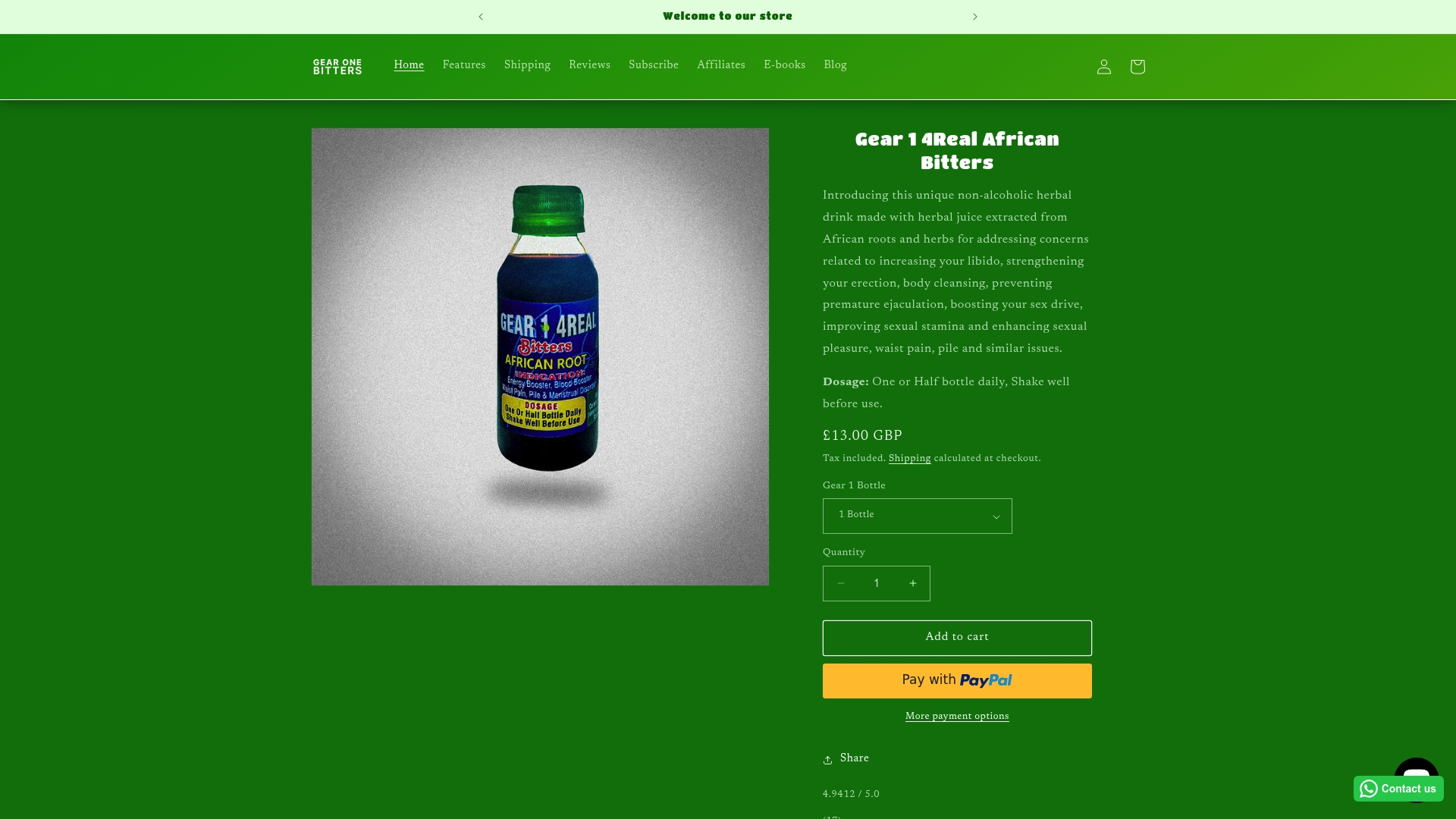
Gear1 is a non-alcoholic herbal drink made from African roots and herbs, formulated to support male libido, strengthen erections, prevent premature ejaculation, and improve sexual stamina. Its plant-based ingredients work with your body’s natural hormonal processes, complementing the stress management strategies outlined here. Men dealing with cortisol-driven testosterone suppression benefit from the kind of consistent, natural support that Gear1 provides alongside better sleep, diet, and stress reduction practices. Gear1 also supports body cleansing, which aligns with the gut health principles that research now connects to sperm quality and reproductive function. See the full range of herbal libido support that Gear1 offers and find the right fit for your needs.
FAQ
Can stress alone cause low libido in men?
Yes. Stress elevates cortisol, which suppresses testosterone and disrupts the neurological signals required for sexual arousal, producing measurable libido loss without any underlying physical illness.
How quickly does stress affect testosterone levels?
Poor sleep caused by stress can reduce testosterone production significantly within one week, making the hormonal impact of stress faster than most men expect.
Does performance anxiety count as a stress-related issue?
Performance anxiety is a direct consequence of stress and creates its own feedback loop, reinforcing erectile difficulty even after the original stressor has reduced.
Can improving gut health restore libido?
Research published in Nature Communications links gut microbiota disruption to impaired sperm quality and hormonal imbalance, suggesting that supporting gut health through diet and probiotics is a meaningful part of sexual health recovery.
When should a man see a doctor about stress and libido?
A man should consult a GP or sexual health specialist if low libido persists for more than four to six weeks, particularly if accompanied by fatigue, mood changes, or erectile difficulty, as these may indicate cortisol-driven hormonal suppression requiring professional assessment.
Recommended
- What causes low sex drive in men: a clear guide – Gear 1 4Real African Bitters
- What is male libido? A complete guide for men – Gear 1 4Real African Bitters
- Why libido fluctuates in men: causes and solutions – Gear 1 4Real African Bitters
- What causes sexual fatigue in men: 2026 guide – Gear 1 4Real African Bitters
About Gear 1 4Real African Bitters — a non-alcoholic herbal bitters made from African root and herb extracts, blended to a traditional recipe rooted in generations of use. See the product and full ingredients list.
Food supplement. Not intended to diagnose, treat, cure or prevent any disease.