
Libido is defined as a person’s overall sexual desire, and it sits at the heart of intimate relationship health. The role of libido in relationship health extends well beyond the bedroom. It shapes emotional closeness, communication, and how connected partners feel day to day. Loss of libido affects up to 1 in 5 men and an even higher proportion of women at some point in their lives. That statistic alone tells you this is not a niche concern. Understanding what drives sexual desire, and what dampens it, gives couples a genuine advantage in building lasting intimacy.
What biological and psychological factors influence libido within relationships?
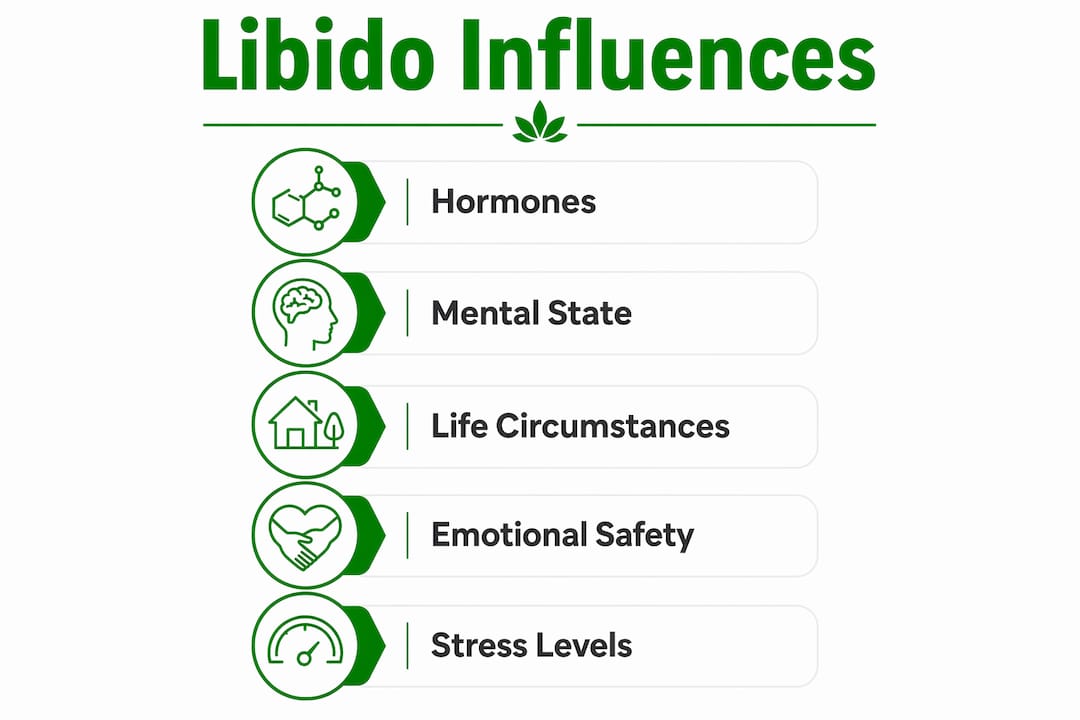
Libido is not fixed. It shifts constantly in response to hormones, mental state, and life circumstances. Treating it as a stable personality trait leads to unnecessary frustration and shame.
Hormonal drivers
Testosterone is the primary hormone governing sexual desire in both men and women. Low testosterone reduces drive, energy, and confidence. Oestrogen supports vaginal health and receptivity in women, while oxytocin, often called the “love hormone,” reinforces emotional bonding after physical intimacy. Diet affects hormones like oxytocin that mediate both libido and attachment, which means what you eat genuinely matters.
Psychological and life-stage factors
Mental health conditions such as depression and anxiety are among the most common causes of reduced sexual desire. Body image concerns, past trauma, and low self-esteem each act as psychological brakes on desire. Stress and burnout activate sexual inhibition more than they reduce sexual excitation. That distinction matters: the problem is often an overactive brake, not a broken accelerator. Life stages also shift libido significantly. Ageing, menopause, pregnancy, and chronic illness all alter hormonal balance and energy levels.
- Testosterone and oestrogen regulate baseline sexual interest in men and women respectively.
- Cortisol (the stress hormone) suppresses testosterone and dampens desire when chronically elevated.
- Mental load from work, parenting, or financial pressure consumes the cognitive bandwidth needed for desire to surface.
- Medical conditions such as diabetes, thyroid disorders, and cardiovascular disease directly affect libido.
- Medications including antidepressants and some blood pressure drugs list reduced desire as a known side effect.
Pro Tip: If your desire has dropped noticeably, rule out a physical cause first. A simple blood test checking testosterone and thyroid function can clarify whether a hormonal imbalance is at play.
Libido fluctuates contextually based on environment, stress, and emotional safety rather than being a fixed trait. Recognising this removes a great deal of self-blame from the equation.
How does libido affect emotional intimacy and relationship satisfaction?
Sexual desire and emotional closeness reinforce each other in a continuous cycle. When one weakens, the other tends to follow.
Emotional intimacy is a primary driver of sexual satisfaction. Many men, in particular, prioritise feeling chosen and emotionally connected over physical pleasure alone. This challenges the common assumption that men are purely physically motivated. Oxytocin released during sexual activity and orgasm reinforces bonding and deepens feelings of attachment between partners. Each positive intimate experience strengthens the emotional foundation of the relationship.
A significant misperception gap exists in many couples. Women often underestimate how much men depend on emotional connection for sexual satisfaction. This gap creates a cycle where one partner withdraws emotionally and the other loses desire, with neither understanding why.
The concept of responsive desire is worth understanding here. Unlike spontaneous desire, which arises without any particular trigger, responsive desire emerges in response to emotional closeness, touch, and safety. Long-term intimacy thrives on responsive desire rather than the spontaneous kind most people expect from themselves and their partners.
| Desire type | How it works | What supports it |
|---|---|---|
| Spontaneous desire | Arises without a specific trigger | Hormonal balance, low stress, novelty |
| Responsive desire | Emerges during or after intimacy begins | Emotional safety, physical affection, trust |
Pro Tip: If you rarely feel desire before intimacy begins, that does not mean something is wrong. Responsive desire is entirely normal. Starting with non-sexual physical closeness, such as a long embrace or a massage, often allows desire to develop naturally.
Why do mismatched libidos occur and how can couples manage desire differences?
Desire discrepancy is one of the most common sexual concerns reported by couples. One partner wants sex more frequently than the other. This is not a sign of incompatibility. It is a normal feature of long-term relationships.
The higher-desire partner often internalises rejection. The lower-desire partner often feels pressured and guilty. Both responses create distance rather than connection. Relational stress and unresolved conflict increase cortisol and lower sexual desire, which means the conflict itself makes the libido gap worse over time.
Common reasons for desire discrepancy
- Differing hormonal profiles between partners.
- One partner carrying a heavier mental or domestic load.
- Unresolved emotional conflict creating low-level tension.
- Life transitions such as a new baby, job loss, or bereavement.
- One partner experiencing a health condition or medication side effect.
Practical strategies for managing desire differences
- Name the pattern without blame. Acknowledge that a difference exists and frame it as a shared challenge, not one person’s fault.
- Separate initiation from pressure. One partner can express interest without the other feeling obligated to respond immediately.
- Explore responsive desire together. Agree to begin physical closeness without a fixed expectation of where it leads.
- Schedule intimacy without apology. Planned intimacy removes the anxiety of spontaneous initiation and gives both partners time to prepare mentally.
- Seek professional support early. A sex therapist or couples counsellor can provide structured tools before resentment builds.
Successful couples replace the goal of identical desire with flexibility, communication, and emotional safety. The goal is not synchronised libidos. The goal is a shared understanding that allows both partners to feel valued.
What lifestyle and relational practices support healthy libido and intimacy?
The good news is that libido responds well to consistent, positive lifestyle choices. Small changes compound over time into meaningful improvements in both desire and connection.
Diet and natural support
Certain foods genuinely influence hormonal balance and sexual desire. Zinc-rich foods such as oysters, pumpkin seeds, and red meat support testosterone production. Dark chocolate contains phenylethylamine, a compound associated with feelings of attraction. Natural aphrodisiac foods including maca root, ginger, and certain African herbs have been used for generations to support male vitality and drive. Herbal preparations made from African roots and plants, such as Gear1, are formulated specifically to address libido, sexual stamina, and erection quality using traditional plant-based ingredients.
Stress reduction and emotional safety
Chronic stress is one of the most reliable suppressors of sexual desire. Regular physical exercise reduces cortisol and raises testosterone. Sleep deprivation, by contrast, lowers testosterone significantly after just a few nights of poor rest. Creating emotional safety at home, through consistent kindness, active listening, and resolving conflict respectfully, removes the psychological brakes that block desire.
Many people who believe they have low libido actually experience a presence problem. Mental load and stress consume the cognitive space needed for desire to emerge. Reducing that mental load, even partially, can restore desire without any other intervention.
Shared rituals and relational closeness
- Daily non-sexual touch such as hand-holding, kissing, and embracing maintains physical connection outside of sexual contexts.
- Shared new experiences activate dopamine, the reward hormone, which is also associated with attraction and desire.
- Open conversations about desire reduce shame and build the emotional safety that responsive desire requires.
- Limiting alcohol improves sleep quality, hormonal balance, and physical performance in intimate settings.
| Practice | Effect on libido | Effect on emotional intimacy |
|---|---|---|
| Regular exercise | Raises testosterone, reduces cortisol | Improves mood and self-confidence |
| Quality sleep | Restores hormonal balance | Reduces irritability and conflict |
| Aphrodisiac-rich diet | Supports testosterone and circulation | Shared meals build connection |
| Daily non-sexual touch | Maintains physical bond | Deepens trust and attachment |
| Open communication | Reduces performance anxiety | Builds emotional safety |
Aphrodisiac herbs such as ashwagandha, tribulus terrestris, and various African botanicals have documented effects on hormonal balance and sexual function. Incorporating these into a daily routine, alongside the lifestyle practices above, creates a strong foundation for sustained desire.
Key takeaways
Libido is a relational and contextual force. Couples who understand its dynamics and respond with flexibility and communication build deeper, more resilient intimacy.
| Point | Details |
|---|---|
| Libido is dynamic, not fixed | Desire shifts with stress, hormones, and emotional safety, so rigid labels cause unnecessary harm. |
| Emotional intimacy drives desire | Feeling chosen and emotionally safe is a primary condition for sexual satisfaction in long-term relationships. |
| Desire discrepancy is normal | Most couples experience mismatched libidos at some point; communication and flexibility resolve it more effectively than pressure. |
| Responsive desire is valid | Interest that grows during intimacy rather than before it is a recognised and healthy pattern, not a deficiency. |
| Lifestyle choices directly affect libido | Diet, sleep, exercise, and stress management each influence hormonal balance and sexual desire in measurable ways. |
Ayomide’s take: libido is not a performance metric
The most damaging idea I encounter is that libido is a fixed score. People say “I have a high libido” or “my partner has a low libido” as if these are permanent facts. They are not. Libido is a response to conditions, not a character trait.
What I have found, working through these conversations over the years, is that most couples are not dealing with a libido problem at all. They are dealing with an emotional safety problem, a stress problem, or a communication problem. The desire is there. The conditions for it are not.
The second misconception worth challenging is that spontaneous desire is the gold standard. Films and advertising sell us the idea that desire should arrive uninvited, fully formed, and urgent. For many people in long-term relationships, that simply is not how it works. Responsive desire, which grows through closeness and touch, is equally valid and arguably more sustainable. Couples who understand this stop waiting for a feeling that may never arrive spontaneously and start creating the conditions for desire to develop.
My honest recommendation is to start with the conversation, not the solution. Before trying any supplement, therapy, or technique, sit with your partner and talk about what you each actually need to feel close. That conversation alone shifts the dynamic more than most people expect.
— Ayomide
Gear1 and natural support for libido and intimacy
If you are ready to take practical steps, natural support can make a meaningful difference alongside the lifestyle changes discussed here.
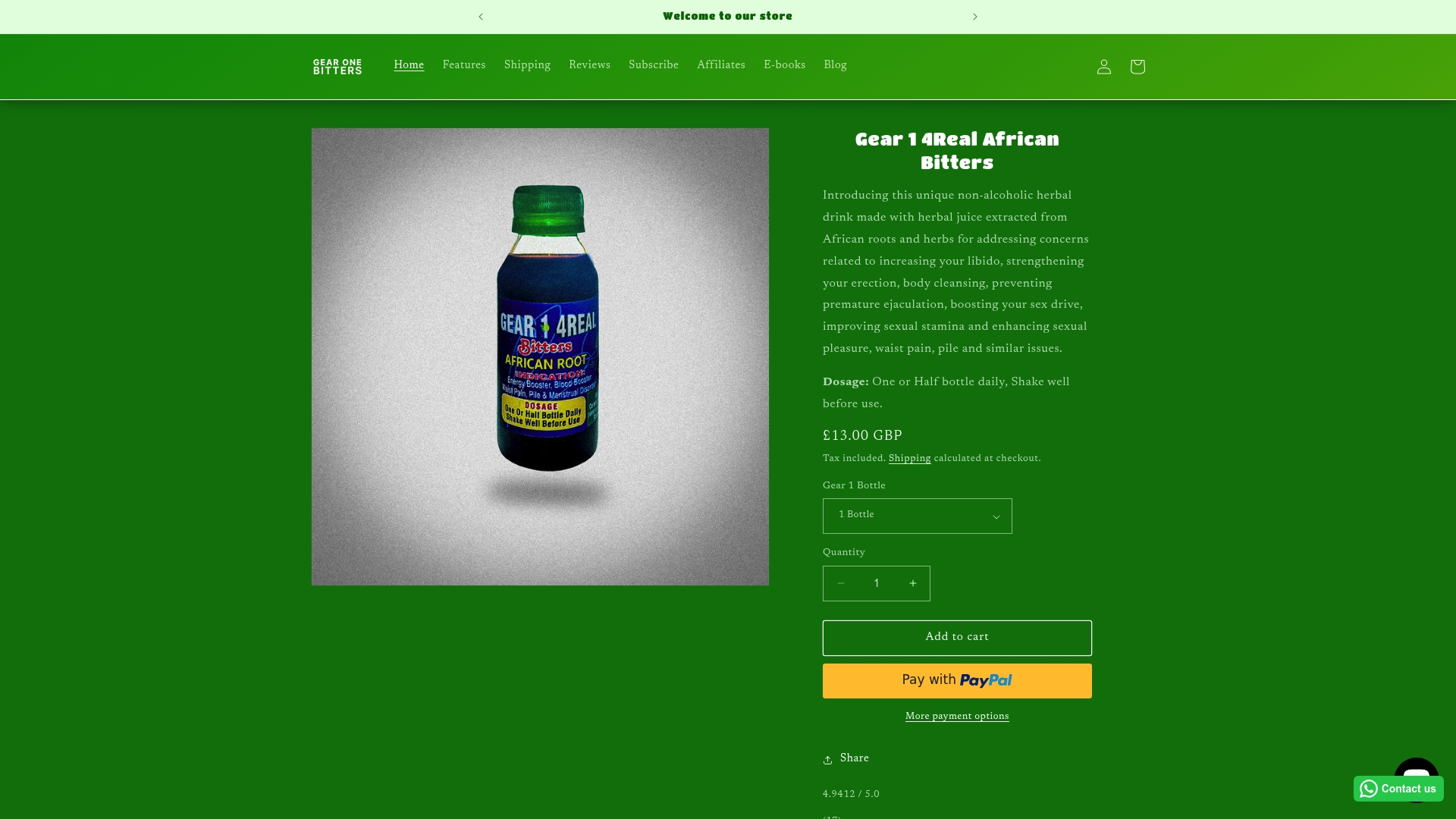
Gear1 is a non-alcoholic herbal drink made from African roots and herbs, formulated to address libido, erection strength, sexual stamina, and premature ejaculation. It works from the inside out, using plant-based ingredients with a long history of traditional use. For couples looking to strengthen their connection further, the natural ways to improve couple intimacy guide on the Gear1 blog offers practical, evidence-informed ideas. You can also read the bedroom intimacy tips resource for specific strategies to reignite closeness. Visit Gear1.shop to explore the full range of natural solutions.
FAQ
What is the role of libido in relationship health?
Libido drives sexual desire and physical intimacy, which in turn support emotional bonding, communication, and overall relationship satisfaction. When desire is healthy and understood by both partners, it strengthens the relationship’s emotional foundation.
Can low libido damage a relationship?
Low libido does not automatically damage a relationship, but unaddressed desire discrepancy can create resentment and emotional distance over time. Open communication and professional support prevent this outcome.
What causes sudden changes in libido?
Hormonal shifts, stress, medication side effects, and unresolved emotional conflict are the most common triggers for sudden changes in sexual desire. A GP can rule out physical causes through a straightforward blood test.
Is it normal for partners to have different levels of sexual desire?
Desire discrepancy is one of the most commonly reported sexual concerns among couples and is entirely normal. The difference itself is rarely the problem; how couples respond to it determines the impact on the relationship.
How can couples improve libido together?
Prioritising emotional safety, reducing stress, maintaining daily physical affection, and exploring responsive desire are the most effective starting points. Dietary changes and natural herbal support, such as Gear1, can complement these relational strategies.
Recommended
- Why libido fluctuates in men: causes and solutions – Gear 1 4Real African Bitters
- What is male libido? A complete guide for men – Gear 1 4Real African Bitters
- What causes low sex drive in men: a clear guide – Gear 1 4Real African Bitters
- How body detox improves libido: a practical guide – Gear 1 4Real African Bitters