
Aphrodisiac herbs are defined as natural plant substances that support sexual desire and function by improving circulation, hormonal balance, and nervous system health. The term “aphrodisiac” derives from Aphrodite, the Greek goddess of love, but the practice of using plants to support libido spans centuries across African, Asian, and South American traditions. Today, herbs like Maca root, Ashwagandha, and Korean red ginseng sit at the centre of modern research into natural sexual health. Understanding what are aphrodisiac herbs means recognising that their effects are gradual and cumulative, not instant. Consistent use over several weeks is typically required before meaningful changes in desire or function become apparent.
What does the science say about aphrodisiac herbs?
Maca root, Ashwagandha, and Korean red ginseng have the most robust clinical support for enhancing sexual health. That finding matters because it separates genuinely studied herbs from those with only folklore behind them.
Maca root
Maca root, a Peruvian plant in the brassica family, has shown consistent results in trials examining sexual dysfunction. Clinical studies show improvements in sexual function for men with SSRI-related dysfunction using Maca and Ginkgo biloba through vascular and hormonal pathways. Effects were noted over several weeks in randomised controlled trials. Maca does not directly raise testosterone but appears to influence sexual motivation through the hypothalamic-pituitary axis.
Ashwagandha
Ashwagandha is classified as an adaptogenic herb, meaning it helps the body regulate its response to stress. Women taking standardised Ashwagandha extract showed significant improvement in desire, arousal, and lubrication compared to placebo. That result is particularly relevant because stress-related suppression of libido is one of the most common barriers to sexual satisfaction. Ashwagandha addresses that barrier directly.
Korean red ginseng
Korean red ginseng has a long history in East Asian medicine and now carries clinical evidence to support it. Research documents improvements in erectile function and sexual satisfaction in men, with effects attributed to ginsenosides that promote nitric oxide production and vasodilation. This makes it one of the most studied herbs for libido in the world.
Herbs with moderate evidence
Beyond the top three, several other herbs show promising results. Damiana contains flavonoids affecting nitric oxide signalling to support sexual desire and reduce ejaculation latency in preclinical models. Tribulus terrestris, Fenugreek, Saffron, and Cordyceps each show modest but meaningful outcomes in human trials. Ashwagandha and Saffron have the strongest clinical evidence for improvement in female sexual health, including desire, lubrication, and satisfaction.
“Aphrodisiacs are best understood as plant allies that remove biological barriers to desire, rather than substances that manufacture it from nothing.” — Clinical herbalist Elliott Brinkley
How do aphrodisiac herbs work in the body?
Aphrodisiacs function primarily by improving systemic health factors including circulation and nervous system regulation, rather than producing instant arousal. That distinction is the single most important thing to understand about this category of herbs.
The main physiological mechanisms work as follows:
- Vasodilation and blood flow. Herbs like Korean red ginseng and Damiana stimulate nitric oxide pathways, widening blood vessels and increasing circulation to sexual organs. Better blood flow directly supports arousal and erectile function in both men and women.
- Hormonal modulation. Adaptogenic herbs such as Ashwagandha reduce cortisol, the stress hormone that suppresses testosterone and oestrogen production. Lower cortisol allows the body’s natural hormonal balance to reassert itself.
- Nervous system regulation. Chronic stress activates the sympathetic nervous system, which actively inhibits sexual response. Herbs that calm this system, including Ashwagandha and Saffron, create the physiological conditions in which desire can surface naturally.
- Mood and psychological readiness. Saffron, in particular, has documented antidepressant properties. Improved mood removes a significant psychological barrier to sexual engagement.
Dietitian Amanda Strawn highlights that aphrodisiacs do not create desire but support the conditions for it. That framing is accurate and worth holding onto. These herbs work with your body’s existing biology, not against it.
Pro Tip: Pair any aphrodisiac herb programme with seven to eight hours of sleep per night. Sleep is when testosterone production peaks, and no herb compensates fully for chronic sleep deprivation.
Comparing popular aphrodisiac herbs: which is right for you?
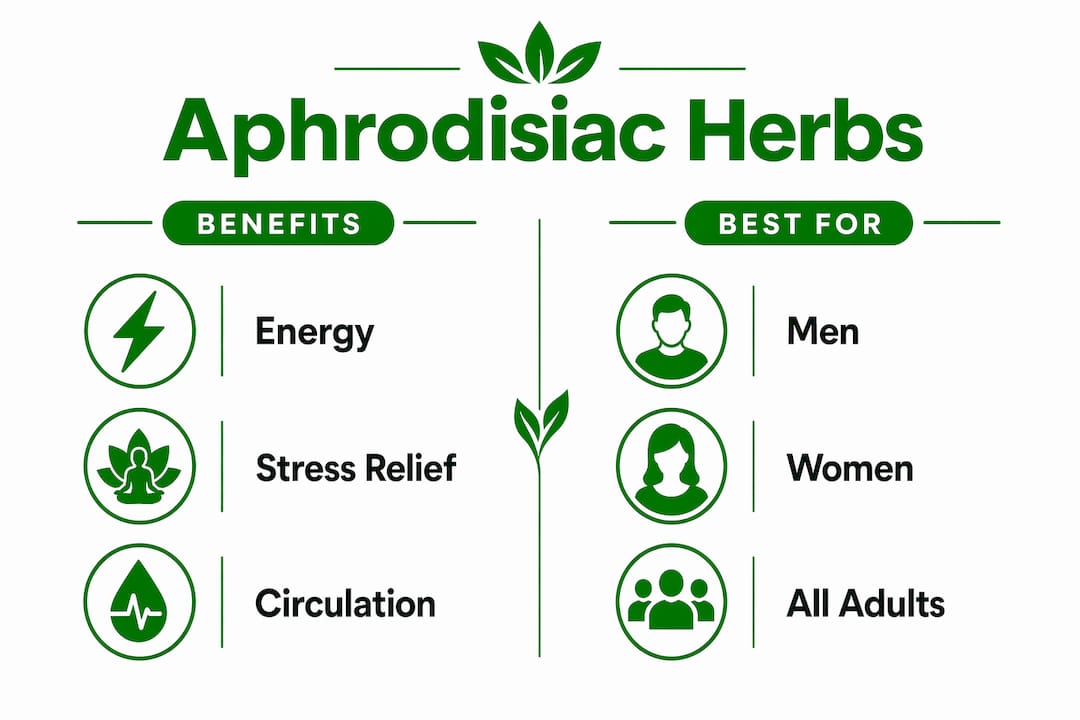
Choosing from the aphrodisiac herbs list requires matching the herb to your specific situation. The table below compares five well-researched options across key criteria.
| Herb | Primary Benefit | Best For | Caution |
|---|---|---|---|
| Maca Root | Sexual motivation and energy | Men and women with low drive | Generally well tolerated; avoid in thyroid conditions |
| Ashwagandha | Stress reduction and hormonal balance | Stress-related low libido | May interact with thyroid and sedative medications |
| Korean Red Ginseng | Erectile function and stamina | Men with performance concerns | Avoid with blood thinners; can cause insomnia at high doses |
| Damiana | Nitric oxide support and desire | Both sexes seeking mild support | Limited human trial data; use standardised extracts |
| Fenugreek | Testosterone support | Men with hormonal imbalance | Can cause digestive discomfort; avoid in oestrogen-sensitive conditions |
Safety is not a secondary concern with aphrodisiac herbal remedies. Concentrated herbal supplements like Yohimbe carry risk of side effects such as irregular heartbeat, indicating the importance of safe use and lifestyle integration. Yohimbe is one of the few herbs in this category that carries genuine cardiac risk. Treat it with the same caution you would a pharmaceutical.
Several practical points are worth keeping in mind when selecting herbs:
- Stress is the most common suppressor of libido. If stress is your primary issue, Ashwagandha is the logical starting point.
- Hormonal imbalance in men responds well to Fenugreek and Maca combined with resistance training.
- Women experiencing low desire alongside mood changes benefit most from Saffron and Ashwagandha together.
- Natural aphrodisiacs from African herbal traditions, including those used in Gear1 formulations, often combine multiple mechanisms in a single preparation.
Pro Tip: Always choose standardised extracts when buying supplements. Standardisation guarantees a consistent level of active compounds per dose, which is what clinical trials actually test.
How to use aphrodisiac herbs in your daily routine
Incorporating herbs for libido into daily life is straightforward once you understand the forms available and the timelines involved.
Aphrodisiac herbs require weeks or months of use to produce subtle, cumulative improvements by addressing stress, nutrient deficiencies, and metabolic health. That timeline is not a weakness. It reflects how genuine physiological change works.
The most practical forms of consumption include:
- Teas and infusions. Damiana and Ashwagandha both work well as teas. A daily cup creates a consistent low-dose intake and a calming ritual that itself reduces stress.
- Standardised capsule supplements. Maca, Fenugreek, and Korean red ginseng are most reliably dosed in capsule form. Look for products with stated extract ratios and third-party testing.
- Herbal bitters and liquid extracts. Liquid preparations absorb quickly and often combine multiple herbs. Gear1’s 4Real African Bitters, for example, blends multiple aphrodisiac herbs designed for natural sexual health support, including herbs with evidence for libido enhancement and circulation improvement.
- Culinary integration. Saffron added to rice or warm drinks provides a gentle daily dose. Fenugreek seeds can be incorporated into cooking without difficulty.
Consistency matters more than dose size. Taking a moderate amount every day outperforms taking a large amount occasionally. Alongside herbal use, three lifestyle factors make a measurable difference: regular physical activity (which raises testosterone and improves circulation), a diet rich in zinc and healthy fats, and active stress management through practices like meditation or breathwork.
Seek professional advice before starting any herbal programme if you take prescription medication, have a cardiovascular condition, or are pregnant. Some herbs interact with common medications in clinically significant ways.
Key takeaways
Aphrodisiac herbs work by supporting the body’s existing biology through improved circulation, hormonal balance, and stress reduction, not by manufacturing desire artificially.
| Point | Details |
|---|---|
| Definition and mechanism | Aphrodisiac herbs support sexual desire by improving blood flow, hormonal balance, and nervous system health. |
| Top clinically supported herbs | Maca root, Ashwagandha, and Korean red ginseng have the strongest evidence for enhancing libido and sexual function. |
| Realistic timelines | Consistent use over several weeks to months is required before cumulative benefits become apparent. |
| Safety considerations | Herbs like Yohimbe carry genuine cardiac risks; always choose standardised extracts and consult a professional if on medication. |
| Practical use | Daily teas, capsules, liquid bitters, and culinary additions all provide effective delivery methods when used consistently. |
Why patience is the real secret to aphrodisiac herbs
I have spent years reading the research on natural aphrodisiacs and speaking with people who have tried them. The single biggest mistake I see is expecting these herbs to behave like pharmaceuticals. They do not. Maca root does not produce results in 45 minutes. Ashwagandha does not override a month of poor sleep and chronic stress by Tuesday morning.
What I have found is that the people who benefit most from aphrodisiac herbs are those who treat them as one part of a broader commitment to their health. They sleep well, manage stress actively, and eat in a way that supports hormonal health. The herbs then work with that foundation rather than trying to substitute for it.
There is also a cultural dimension worth acknowledging. Many of the most effective herbs in this space, including those used in African herbal traditions, have been dismissed historically because they did not fit Western pharmaceutical models of evidence. That is changing. The 2026 MDPI study on Damiana’s flavonoid mechanisms is one example of rigorous science catching up with centuries of traditional knowledge.
My honest recommendation is this: choose one or two herbs that match your specific situation, commit to consistent use for at least eight weeks, and track your results honestly. Do not chase the most exotic option on the market. The herbs with the most clinical backing are also the most accessible. Start there.
— Ayomide
Try Gear1 4real african bitters for natural libido support
If you are looking for a practical way to incorporate aphrodisiac herbs into your daily routine, Gear1 4Real African Bitters offers a ready-made solution rooted in African herbal tradition.
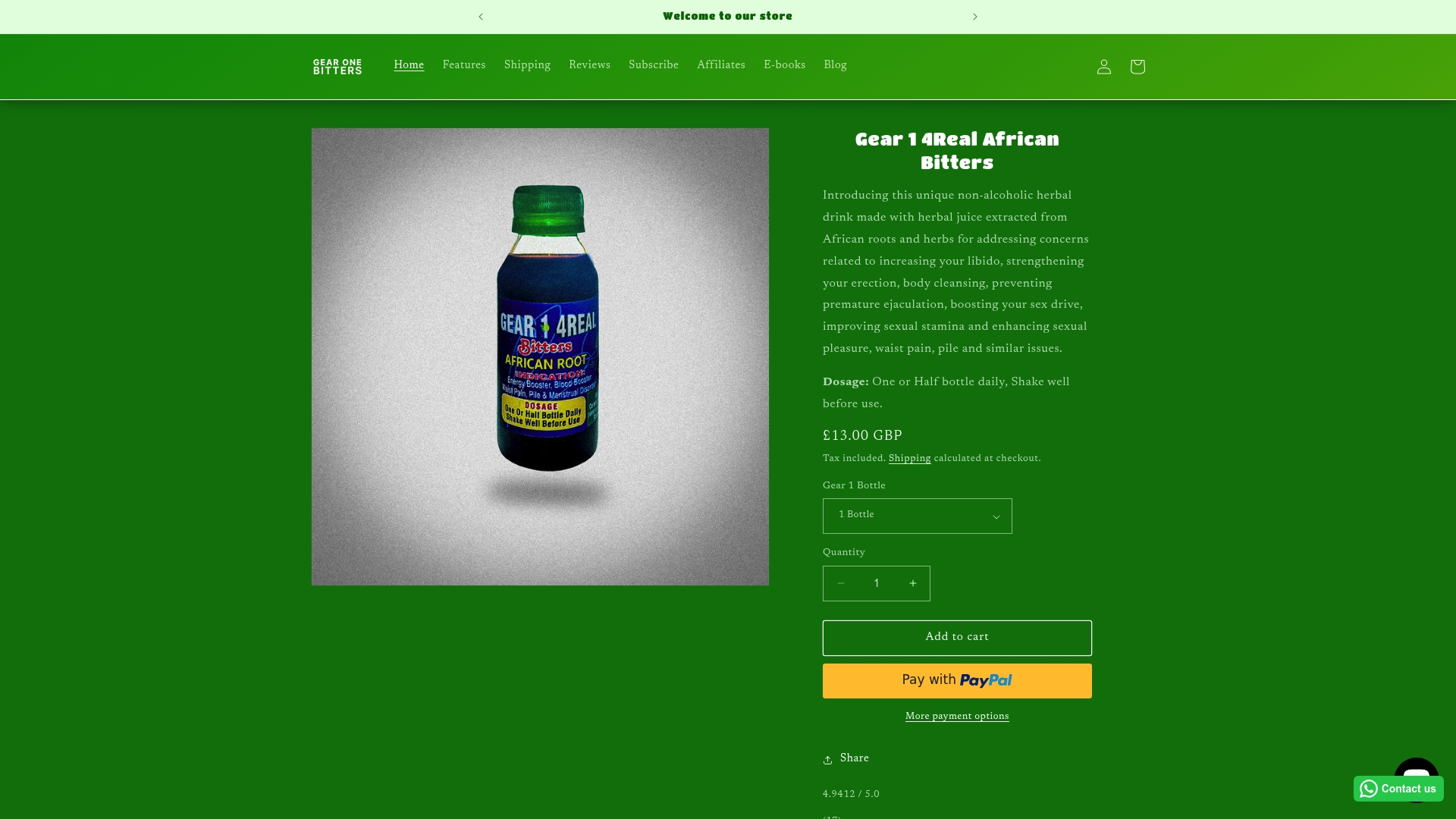
Gear1 is a non-alcoholic herbal drink made with juice extracted from African roots and herbs selected for their effects on libido, erectile strength, sexual stamina, and premature ejaculation. The formulation draws on multiple herbs with documented benefits for circulation and hormonal balance, making it a convenient alternative to managing several individual supplements. Explore the full herbal ingredients list to see exactly what goes into each bottle, and discover the sexual health benefits that make Gear1 a trusted choice for natural libido support.
FAQ
What are aphrodisiac herbs exactly?
Aphrodisiac herbs are natural plant substances that support sexual desire and function by improving blood flow, hormonal balance, and nervous system health. They work gradually over weeks of consistent use rather than producing immediate effects.
Which aphrodisiac herb is most effective for men?
Korean red ginseng and Maca root have the strongest clinical evidence for improving erectile function and sexual motivation in men. Both work through vascular and hormonal pathways documented in randomised controlled trials.
How long do aphrodisiac herbs take to work?
Most aphrodisiac herbs require several weeks to months of consistent daily use before producing noticeable improvements. The effects are cumulative and depend on addressing underlying factors like stress, circulation, and hormonal balance.
Are aphrodisiac herbs safe to use?
Most well-studied herbs like Ashwagandha, Maca, and Damiana are safe for healthy adults when taken as standardised extracts. Yohimbe is a notable exception, carrying risks of irregular heartbeat and anxiety that require medical supervision.
Can women benefit from aphrodisiac herbs?
Ashwagandha and Saffron have the strongest clinical evidence for improving female sexual health, including desire, arousal, and lubrication. Multiple human trials confirm modest but meaningful outcomes for women using these herbs consistently.
Recommended
- Herbal boost for bedroom passion: a complete guide – Gear 1 4Real African Bitters
- How African herbs boost libido: a 2026 guide – Gear 1 4Real African Bitters
- Natural herbs boosting sex drive: 9 proven options – Gear 1 4Real African Bitters
- Herbal roots for male libido: top 6 proven options – Gear 1 4Real African Bitters
About Gear 1 4Real African Bitters — a non-alcoholic herbal bitters made from African root and herb extracts, blended to a traditional recipe rooted in generations of use. See the product and full ingredients list.
Food supplement. Not intended to diagnose, treat, cure or prevent any disease.