
Dopamine is defined as the brain’s primary motivational neurotransmitter, and its role in sexual desire is to create the drive, anticipation, and pursuit that lead to sexual interest. Without sufficient dopamine activity, sexual motivation fades even when testosterone levels are perfectly normal. Understanding the role of dopamine in sexual desire helps explain why some men feel a complete absence of interest despite being physically healthy. Recent 2026 research and clinical findings now confirm that dopamine deficits, not just hormonal imbalances, are frequently the root cause of low libido in both men and women.
How does dopamine influence sexual desire on a biological level?
Dopamine is the neurotransmitter of anticipation and motivation, not simple pleasure. This distinction matters enormously. Dopamine creates the wanting, the mental pull towards sexual activity, before any physical contact occurs. Pleasure itself is largely mediated by opioid systems. Dopamine gets you moving towards the experience.
The primary biological pathway involved is the mesolimbic dopamine system, sometimes called the reward pathway. This circuit runs from the ventral tegmental area to the nucleus accumbens within the ventral striatum. When dopamine floods this pathway, the brain registers sexual stimuli as worth pursuing. The hypothalamus, anterior cingulate cortex, and amygdala all receive dopaminergic signals that translate into arousal, focus, and emotional engagement with a potential partner.
Dopamine receptor subtypes, particularly D1 and D2 receptors, play distinct roles. D1 receptors amplify excitatory signals that heighten arousal. D2 receptors regulate the feedback loop that sustains motivation without tipping into compulsion. PET imaging studies have shown that women with hypoactive sexual desire disorder (HSDD) display a 40–60% reduction in dopamine D2 receptor availability compared to control groups. That reduction means the brain’s motivational system is operating at a fraction of its normal capacity.

Dopamine also interacts with the oxytocinergic system. Oxytocin, often called the bonding hormone, amplifies dopamine release during intimate contact. The two systems reinforce each other. Emotional safety and connection therefore directly support dopaminergic sexual motivation, which is why desire rarely functions well in the absence of trust or emotional comfort.
| Brain region | Dopamine’s role in sexual desire |
|---|---|
| Ventral striatum | Registers sexual stimuli as rewarding and worth pursuing |
| Hypothalamus | Coordinates hormonal signals and arousal responses |
| Anterior cingulate cortex | Sustains attention and motivation towards sexual activity |
| Amygdala | Processes emotional significance of sexual cues |
Pro Tip: If you notice your desire has gone quiet despite feeling physically well, consider whether emotional safety and stress levels are affecting your dopamine system before assuming a testosterone problem.
What is the relationship between dopamine and other neurotransmitters in sexual desire?
Dopamine does not operate in isolation. Its effect on libido depends heavily on its balance with serotonin, and its interaction with testosterone, prolactin, and cortisol.
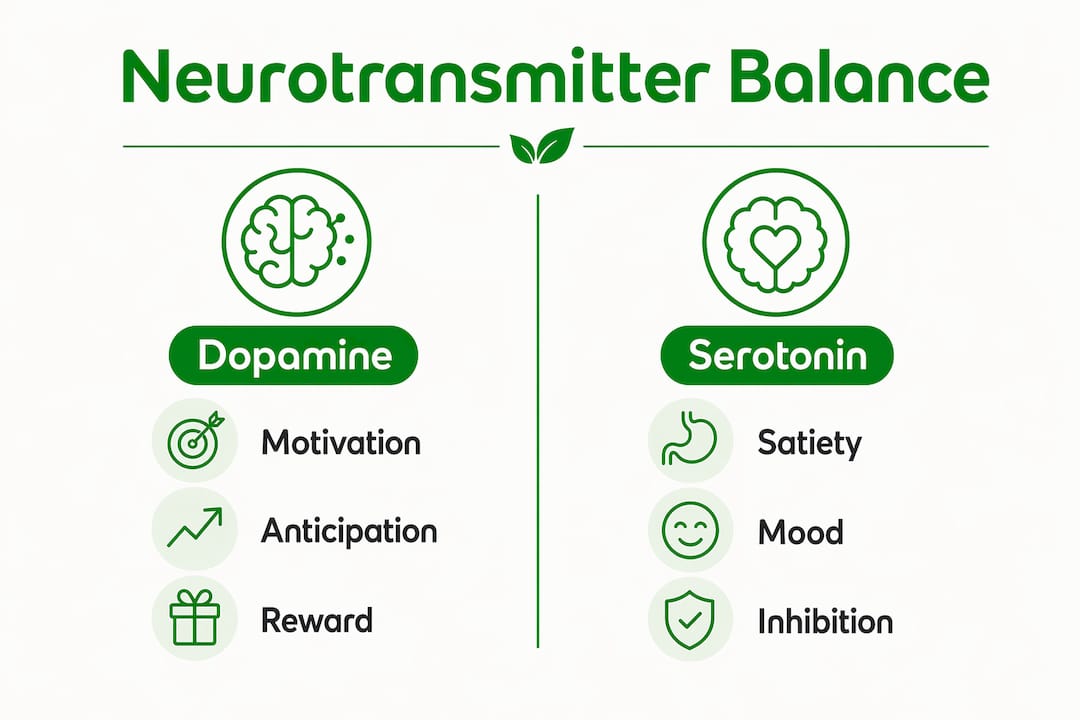
Serotonin and dopamine exist in a functional balance within the brain’s reward circuits. When serotonin rises sharply, dopamine activity tends to fall. SSRI medications, which increase serotonin by blocking its reuptake, can blunt dopamine activity and frequently cause reduced libido, blunted desire, and delayed ejaculation as side effects. This is not a minor inconvenience for a small minority. Sexual dysfunction is one of the most commonly reported reasons people discontinue antidepressant treatment.
Testosterone functions as hormonal fuel, but dopamine provides the motivational spark. Men often mistake low libido as purely testosterone-driven, when a dopamine deficit is frequently the underlying cause. Testosterone supports the biological capacity for arousal, but without adequate dopamine receptor sensitivity, the brain never generates the wanting that initiates sexual pursuit. Optimising testosterone without addressing dopamine is like filling a car with petrol while the ignition is broken.
Prolactin adds another layer of complexity. Low dopamine causes erectile dysfunction partly by increasing prolactin levels. Elevated prolactin then suppresses testosterone production, creating a self-reinforcing cycle of reduced desire and impaired sexual function. Dopamine normally keeps prolactin in check. When dopamine falls, prolactin rises, testosterone drops, and libido suffers on multiple fronts simultaneously.
Cortisol, the primary stress hormone, directly reduces dopamine receptor sensitivity. Chronic stress shifts the brain’s focus from reproduction to survival, suppressing libido even when testosterone levels appear normal on a blood test. The brain essentially deprioritises sexual motivation when it perceives ongoing threat.
Pro Tip: If you are taking an SSRI and have noticed a drop in sexual interest, speak to your doctor about adjunct options that support dopamine activity. Never adjust medication without medical guidance.
What factors can dysregulate dopamine and reduce sexual desire?
Several lifestyle, psychological, and medical factors disrupt dopamine function and, by extension, sexual motivation. Recognising these is the first step towards addressing them.
-
Chronic stress. Sustained cortisol elevation reduces the sensitivity of dopamine receptors throughout the brain’s reward circuits. The result is a brain that struggles to register sexual stimuli as motivating, regardless of physical health or hormonal status.
-
Overstimulation and receptor desensitisation. Excessive exposure to high-novelty stimuli, including pornography, social media, and constant digital entertainment, floods the dopamine system with repeated activation. Over time, receptors downregulate to compensate. The brain requires increasingly intense stimulation to feel the same motivation, and natural sexual cues no longer register as compelling.
-
Sleep deprivation. Poor sleep directly impairs dopamine tone. The brain replenishes and recalibrates its neurotransmitter systems during deep sleep. Consistently sleeping fewer than seven hours disrupts this process, reducing the dopaminergic drive that underpins sexual motivation.
-
Medications and neurological conditions. Beyond SSRIs, antipsychotics, opioids, and certain blood pressure medications all interfere with dopamine pathways. Neurological conditions such as Parkinson’s disease, which involves progressive dopamine neuron loss, are associated with significant reductions in sexual desire.
-
Age-related changes. Dopamine receptor availability naturally declines with age. HSDD affects 12% of women aged 20–29 and rises to 38% aged 50–59, a pattern that reflects both hormonal shifts and age-related changes in dopaminergic signalling. Men experience a comparable, if less studied, decline in dopamine-driven sexual motivation as they age.
How can understanding dopamine guide practical approaches to improving sexual desire?
Understanding how dopamine influences desire opens practical routes to improving libido that go well beyond taking a testosterone supplement.
Manage anticipation and avoid instant gratification. Dopamine thrives on anticipation. Building expectation before sexual activity, rather than seeking immediate satisfaction, keeps the dopamine system engaged. Reducing exposure to high-stimulation digital content allows receptor sensitivity to recover over time. This is not about willpower. It is about giving the brain the conditions it needs to recalibrate.
Prioritise sleep and stress reduction. These two factors have a direct, measurable impact on dopamine tone. Consistent sleep of seven to nine hours, combined with stress management practices such as mindfulness, exercise, or breathwork, restores the dopaminergic baseline that supports sexual motivation. Addressing how diet affects sex drive also contributes meaningfully, as nutritional deficiencies in tyrosine, zinc, and magnesium impair dopamine synthesis.
Consider behavioural and digital therapeutic interventions. App-based digital therapeutics have shown 30–40% improvement in sexual desire outcomes in pilot studies. These programmes use structured behavioural exercises to retrain the brain’s response to sexual cues. The results are promising and suggest that dopamine-targeted behavioural interventions can be as effective as pharmacological options for many individuals.
Natural herbs and dietary support. Certain herbs have a long history of supporting dopamine-friendly sexual health. Maca root, ashwagandha, and several African herbal extracts support hormonal balance and reduce the cortisol load that suppresses dopamine receptor sensitivity. Exploring natural herbs that support sex drive offers a practical, non-pharmaceutical route for many men.
| Approach | Mechanism | Expected benefit |
|---|---|---|
| Sleep optimisation | Restores dopamine tone during deep sleep | Improved baseline sexual motivation |
| Stress reduction | Lowers cortisol, increases receptor sensitivity | Stronger response to sexual cues |
| Reduced overstimulation | Allows receptor upregulation | Natural stimuli become motivating again |
| Herbal supplementation | Supports dopamine synthesis and hormonal balance | Gradual improvement in libido and stamina |
| Behavioural therapy | Retrains dopaminergic response to intimacy | Sustained desire improvement |
When desire remains persistently low despite lifestyle changes, pharmacological options targeting dopamine pathways, such as bupropion or flibanserin for women, may be worth discussing with a healthcare professional. These are not first-line solutions, but they confirm that dopamine is now firmly recognised as a clinical target in sexual medicine.
Key takeaways
Dopamine is the neurochemical engine of sexual desire, and restoring its function requires addressing stress, sleep, overstimulation, and nutritional support together rather than relying on any single intervention.
| Point | Details |
|---|---|
| Dopamine drives wanting, not pleasure | It creates the motivation and anticipation that initiate sexual interest. |
| D2 receptor deficits are measurable | Women with HSDD show a 40–60% reduction in D2 receptor availability. |
| Serotonin and SSRIs affect libido | Rising serotonin from SSRIs can suppress dopamine and reduce sexual desire. |
| Stress suppresses dopaminergic desire | Cortisol reduces receptor sensitivity, lowering libido even with normal testosterone. |
| Lifestyle resets dopamine function | Sleep, stress reduction, and reduced overstimulation restore the dopaminergic baseline. |
Why dopamine is the missing piece most men overlook
I have spent years reading the research on male sexual health, and the pattern that strikes me most is how consistently men are pointed towards testosterone as the answer to low libido. Blood tests come back borderline, a prescription follows, and yet the desire does not return. The frustration is real, and the explanation is almost always the same: dopamine was the problem all along.
What the science now makes clear is that testosterone is the fuel, but dopamine is the ignition. You can have a full tank and still go nowhere. The harmful cycle between low dopamine, stress, raised prolactin, and erectile dysfunction is one of the most underappreciated patterns in men’s health. It does not resolve with a single intervention. It requires a reset across multiple systems simultaneously.
The other thing I find consistently misunderstood is the role of emotional safety. Feeling emotionally safe is essential for dopamine-driven libido to prioritise sexual pursuit. Men are not wired to separate emotional context from desire as completely as popular culture suggests. When the environment feels threatening, stressful, or emotionally disconnected, the dopamine system simply does not fire in the direction of intimacy.
My honest observation is that patience matters enormously here. Resetting dopamine receptor sensitivity after a period of overstimulation or chronic stress takes weeks, not days. The men who see the most meaningful recovery are those who commit to the full picture: sleep, stress management, nutritional support, and reduced digital overstimulation together. That combination works. A single supplement or a testosterone injection alone rarely does.
— Ayomide
Support your dopamine system naturally with Gear1
If you are ready to take a practical step towards restoring your sexual motivation and desire, Gear1 offers a natural starting point worth considering.
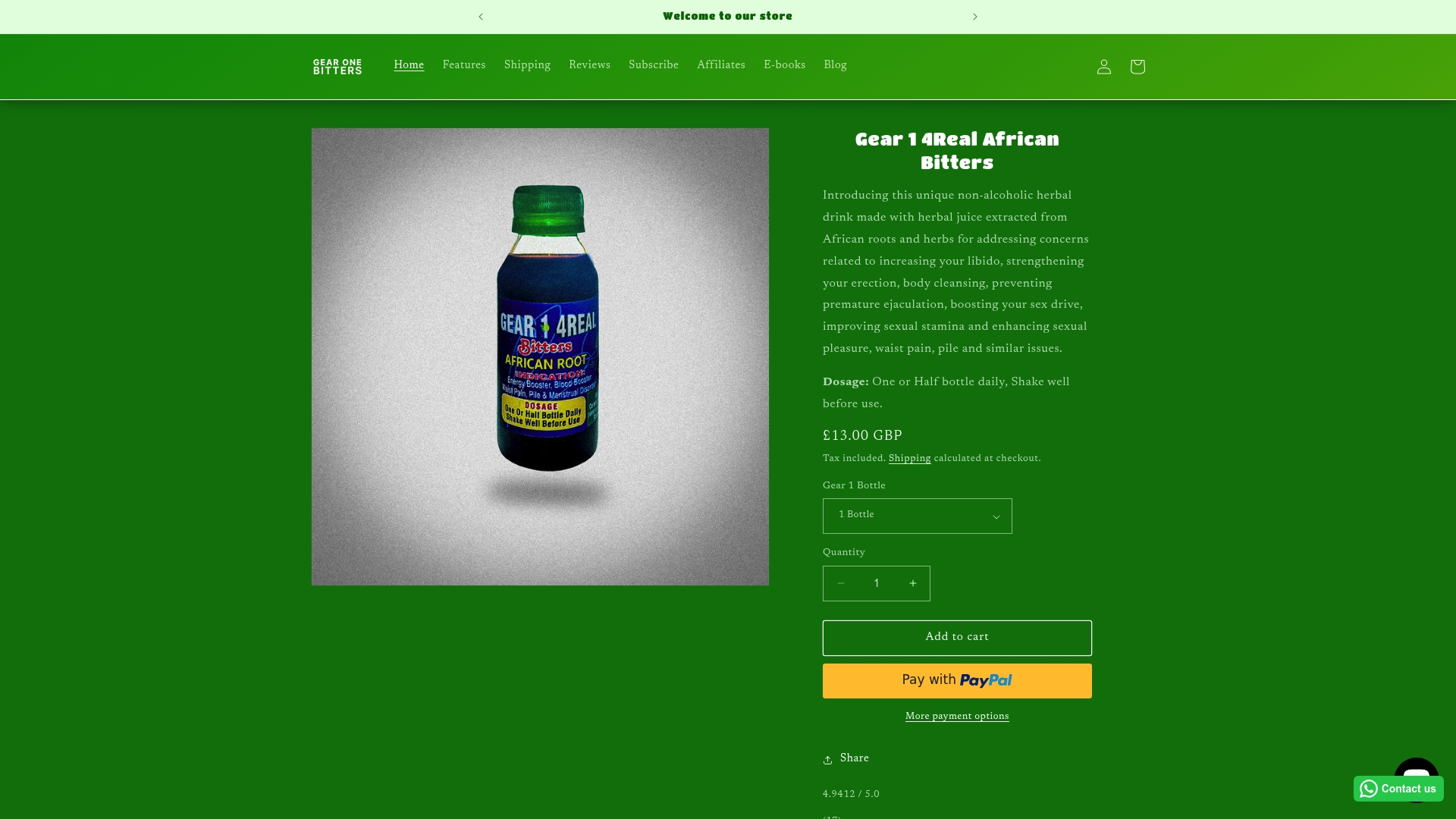
Gear1 4Real African Bitters is a non-alcoholic herbal drink made from African roots and herbs with a long tradition of supporting male sexual health. Its formulation targets libido, erection strength, sexual stamina, and body cleansing, all areas directly connected to the dopaminergic and hormonal systems discussed in this article. The herbal ingredients in Gear1 4Real work to reduce the cortisol load that suppresses dopamine, support hormonal balance, and provide the nutritional building blocks the body needs for healthy sexual function. Go ahead and explore what Gear1 can do for your vitality.
FAQ
What is the role of dopamine in sexual desire?
Dopamine is the brain’s primary motivational neurotransmitter, responsible for creating the anticipation and drive that lead to sexual interest. Without sufficient dopamine activity, sexual motivation fades even when testosterone and physical health are normal.
Can low dopamine cause erectile dysfunction?
Low dopamine reduces sexual drive, impairs arousal signals, and raises prolactin levels, which in turn lowers testosterone. This chain of effects directly contributes to erectile dysfunction and reduced sexual motivation.
Do SSRIs affect dopamine and sexual desire?
SSRIs increase serotonin, which can suppress dopamine activity and frequently cause reduced libido, blunted desire, and delayed ejaculation as side effects. This is one of the most common reasons people discontinue antidepressant treatment.
How does stress reduce sexual desire through dopamine?
Chronic stress elevates cortisol, which reduces dopamine receptor sensitivity throughout the brain’s reward circuits. The brain then deprioritises sexual motivation in favour of survival responses, suppressing libido even when testosterone levels appear normal.
Can natural approaches restore dopamine-driven libido?
Consistent sleep, stress reduction, reduced exposure to high-stimulation digital content, and nutritional support through herbs and diet all help restore dopamine receptor sensitivity and improve sexual motivation over time.
Recommended
- The role of testosterone in sex drive: men’s guide – Gear 1 4Real African Bitters
- Why diet affects sex drive: the full picture – Gear 1 4Real African Bitters
- Why romantic environment improves sex: the science – Gear 1 4Real African Bitters
- Why men lose sexual interest: causes and solutions – Gear 1 4Real African Bitters
About Gear 1 4Real African Bitters — a non-alcoholic herbal bitters made from African root and herb extracts, blended to a traditional recipe rooted in generations of use. See the product and full ingredients list.
Food supplement. Not intended to diagnose, treat, cure or prevent any disease.