
Zinc is a vital mineral that directly governs male sexual health by supporting testosterone synthesis, sperm quality, and the vascular function needed for erections and libido. Clinically known as an essential trace element, zinc sits at the centre of why zinc matters for male sexuality in ways most men never fully appreciate. It acts as a cofactor for hundreds of enzymes involved in protein and DNA synthesis, cell signalling, and reproductive tissue maintenance. When zinc levels fall short, the hormonal and circulatory systems that drive sexual performance begin to falter in measurable, correctable ways.
How does zinc influence male hormones and testosterone?
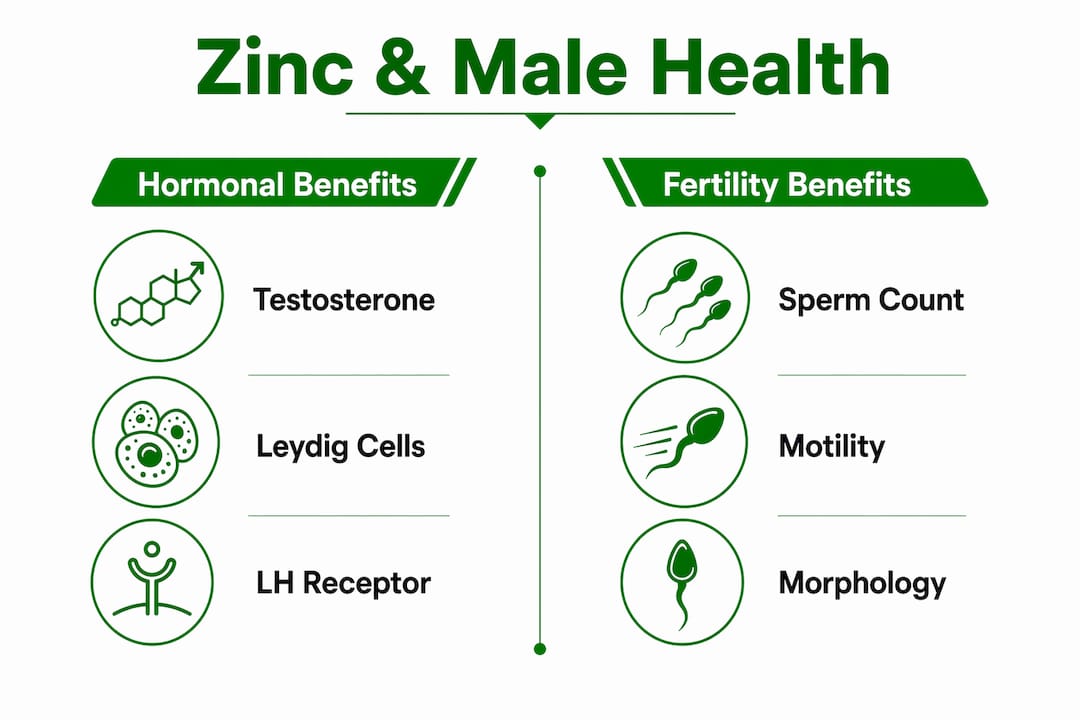
Zinc’s relationship with testosterone is biochemical, not anecdotal. Inside the testes, specialised cells called Leydig cells are responsible for producing testosterone. Zinc acts as a cofactor for the steroidogenic enzymes within these cells, meaning the entire production line for testosterone depends on adequate zinc availability. Without it, the machinery slows down and free testosterone levels drop.
The mechanism goes deeper than enzyme support. The luteinising hormone receptor (LHCGR) in Leydig cells requires zinc for proper signalling. Luteinising hormone (LH) is the pituitary signal that tells the testes to produce testosterone. When zinc is deficient, this receptor function is disrupted, cutting off the hormonal conversation between the brain and the testes. The downstream result is reduced testosterone, which feeds directly into lower libido and weaker sexual drive.
Zinc also modulates 5-alpha reductase, the enzyme that converts testosterone into dihydrotestosterone (DHT). DHT is a more potent androgen and plays a significant role in libido and sexual tissue sensitivity. Additionally, zinc influences sex hormone-binding globulin (SHBG), the protein that binds testosterone in the bloodstream. High SHBG reduces the amount of free, active testosterone available to tissues. Zinc helps keep this balance in check, supporting the availability of testosterone where it counts.
- Zinc supports Leydig cell enzyme function for testosterone biosynthesis
- LH receptor signalling in the testes depends on adequate zinc
- Zinc modulates 5-alpha reductase activity, influencing DHT production
- SHBG regulation by zinc affects how much free testosterone circulates
Pro Tip: If you are experiencing low energy, reduced sex drive, or difficulty maintaining erections, consider asking your doctor for a serum zinc test before reaching for supplements. Correcting a confirmed deficiency is far more effective than guessing.
What evidence links zinc deficiency to sexual health problems?
The clinical picture of zinc deficiency overlaps significantly with the symptoms men associate with poor sexual health. Low zinc manifests as reduced testosterone, diminished libido, erectile difficulties, and impaired immune function. This is not coincidence. It reflects how central zinc is to the hormonal and vascular systems that underpin male sexual performance.
Research confirms that zinc supplementation restores testosterone levels and improves sexual function markers in men who are zinc-deficient or marginally low. The critical nuance is that zinc benefits testosterone primarily in men with confirmed deficiency. A 2014 meta-analysis found insignificant testosterone changes in men with already normal zinc levels. This means zinc is not a universal performance enhancer. It is a corrective nutrient that restores function when deficiency is the underlying problem.
One of zinc’s less-discussed contributions to erections is its role in nitric oxide metabolism. Nitric oxide (NO) is the molecule that relaxes blood vessel walls, allowing increased blood flow to erectile tissue. Zinc supports nitric oxide synthase activity, the enzyme that produces NO. When zinc is low, this vascular pathway is compromised, contributing to weaker erections even in men who do not immediately connect the dots to a nutritional deficiency.
| Sexual health concern | Zinc’s role | Evidence level |
|---|---|---|
| Low testosterone | Supports Leydig cell and LH receptor function | Strong in deficient men |
| Reduced libido | Corrects hormonal imbalance via androgen support | Moderate, deficiency-dependent |
| Erectile difficulties | Supports nitric oxide synthase for vascular dilation | Moderate, indirect mechanism |
| Sperm quality decline | Antioxidant and enzymatic support in reproductive tissue | Strong clinical evidence |
“Zinc’s sexual health benefits are indirect and systemic, improving androgen support, vascular function, and reducing oxidative stress rather than acting as a direct stimulant.” — NIH Office of Dietary Supplements
Understanding this distinction is empowering rather than discouraging. It means that for men with genuine zinc shortfalls, addressing the deficiency can produce real, noticeable improvements in sexual health without the need for pharmaceutical intervention.
How does zinc affect sperm health and male fertility?
The zinc role in male fertility is one of the most well-documented aspects of this mineral’s importance. Zinc concentrations are naturally high in semen and prostate fluid, which signals how critical this mineral is to reproductive function. The prostate gland accumulates zinc at concentrations far higher than most other tissues in the body, using it to support both sperm maturation and prostate metabolism.
Zinc contributes to sperm health through several distinct pathways.
- Sperm formation: Zinc supports the enzymatic processes involved in spermatogenesis, the production of new sperm cells in the testes.
- Motility: Adequate zinc is associated with better sperm motility, meaning sperm are more capable of reaching and fertilising an egg.
- DNA integrity: Zinc’s antioxidant properties protect sperm DNA from oxidative damage, which is a leading cause of male infertility and poor embryo quality.
- Morphology: Zinc deficiency is linked to abnormal sperm shape, which reduces fertilisation potential.
- Prostate health: Zinc supports prostate fluid composition, which nourishes sperm during ejaculation and contributes to overall reproductive success.
Clinical studies show that correcting zinc deficiency improves sperm count, motility, and morphology in infertile men. For men exploring zinc role in male fertility, this evidence is particularly relevant. The antioxidant mechanism is especially important because oxidative stress in reproductive tissues is a silent driver of both infertility and declining sexual function that often goes unaddressed.
What are safe and effective zinc intake recommendations?
Getting zinc intake right is straightforward once you understand the numbers. The recommended dietary allowance (RDA) for adult men is 11 mg per day. This is achievable through diet alone for most men eating a varied diet that includes meat, shellfish, and legumes. The tolerable upper limit (UL) is 40 mg per day, beyond which adverse effects become a genuine risk.
The best dietary sources of zinc for men include:
- Oysters — the single richest food source of zinc, containing up to 74 mg per 100 g serving, far exceeding daily requirements in a small portion.
- Beef and lamb — red meat provides highly bioavailable zinc, meaning the body absorbs it efficiently compared to plant sources.
- Pumpkin seeds — a practical plant-based option, delivering around 7 mg per 100 g.
- Chickpeas and lentils — useful for men on plant-forward diets, though phytates in these foods reduce absorption.
- Fortified cereals — a convenient source, though absorption varies based on processing.
When dietary intake is insufficient, zinc supplements in the form of zinc gluconate, zinc citrate, or zinc picolinate are widely available. These forms are generally well-tolerated and absorbed effectively. However, excessive zinc intake above 50 mg per day for extended periods disrupts copper absorption and can impair immune function. Copper imbalance is a key clinical risk that many men taking high-dose zinc supplements overlook entirely.
Pro Tip: If you take a zinc supplement, choose one that includes a small amount of copper (around 1 to 2 mg) to prevent the copper depletion that high zinc intake can cause over time.
How does zinc fit into a broader approach to male sexual health?
Zinc is foundational to male sexual health, but it is one piece of a larger picture. Zinc’s impact on sexual health involves supporting the hypothalamic-pituitary-gonadal (HPG) axis and peripheral vascular mechanisms. It does not replace standard treatments for erectile dysfunction, nor does it address psychological, cardiovascular, or lifestyle-driven causes of sexual decline.
The factors that work alongside zinc to support male sexual performance include:
- Diet quality: A diet rich in whole foods, healthy fats, and micronutrients supports hormonal balance beyond zinc alone. Magnesium, vitamin D, and selenium all contribute to testosterone production and sexual function.
- Exercise: Resistance training and cardiovascular exercise raise testosterone naturally and improve blood flow to erectile tissue. Men who are sedentary miss out on these hormonal benefits regardless of zinc status.
- Sleep: Testosterone is produced primarily during deep sleep. Poor sleep quality directly reduces testosterone levels, undermining any benefit from zinc correction.
- Stress management: Chronic stress elevates cortisol, which suppresses testosterone production. Zinc cannot counteract the hormonal damage caused by sustained psychological stress.
- Medical evaluation: Persistent erectile dysfunction, very low libido, or fertility concerns warrant a consultation with a urologist or endocrinologist. These conditions can signal cardiovascular disease, diabetes, or hormonal disorders that require clinical management.
Men who treat zinc as a standalone cure for sexual difficulties often feel disappointed. Those who use it as part of a broader commitment to low sex drive causes and overall wellness tend to see the most meaningful results.
Key takeaways
Zinc supports male sexual health by correcting hormonal deficiencies, not by acting as a direct stimulant, and its benefits are most significant in men with confirmed low zinc status.
| Point | Details |
|---|---|
| Zinc and testosterone | Zinc supports Leydig cell function and LH receptor signalling to maintain testosterone production. |
| Deficiency is the key driver | Supplementation produces meaningful sexual health benefits primarily in zinc-deficient men, not those with normal levels. |
| Erection and blood flow | Zinc supports nitric oxide synthase activity, which is critical for vascular dilation and erectile quality. |
| Sperm and fertility | High zinc concentration in semen and prostate fluid supports sperm motility, morphology, and DNA integrity. |
| Safe intake | The RDA for men is 11 mg per day; staying below 40 mg per day prevents copper depletion and immune disruption. |
Zinc, masculinity, and the limits of a single mineral
I have spent years reading the research on zinc and male sexual health, and the pattern that stands out most is how often men reach for zinc supplements based on hope rather than evidence. The biology is real and well-documented. Zinc genuinely does support testosterone, sperm quality, and vascular function. But the clinical evidence is clear that these benefits materialise when deficiency is corrected, not when zinc is added on top of already adequate levels.
What I find most useful to communicate is that zinc’s role is foundational rather than stimulatory. Think of it less like a performance drug and more like a structural requirement. When the foundation is intact, everything built on top of it, including libido, erections, and fertility, functions as it should. When the foundation has gaps, no amount of lifestyle optimisation fully compensates.
The men I see getting the best results from zinc are those who combine it with honest attention to diet, sleep, and stress. They are not chasing a quick fix. They are correcting a genuine nutritional gap and supporting their bodies with the full range of inputs that sexual health requires. Zinc is worth taking seriously. Just take it with realistic expectations and, ideally, a confirmed test result in hand.
— Ayomide
Support your sexual health with Gear1 4Real African Bitters
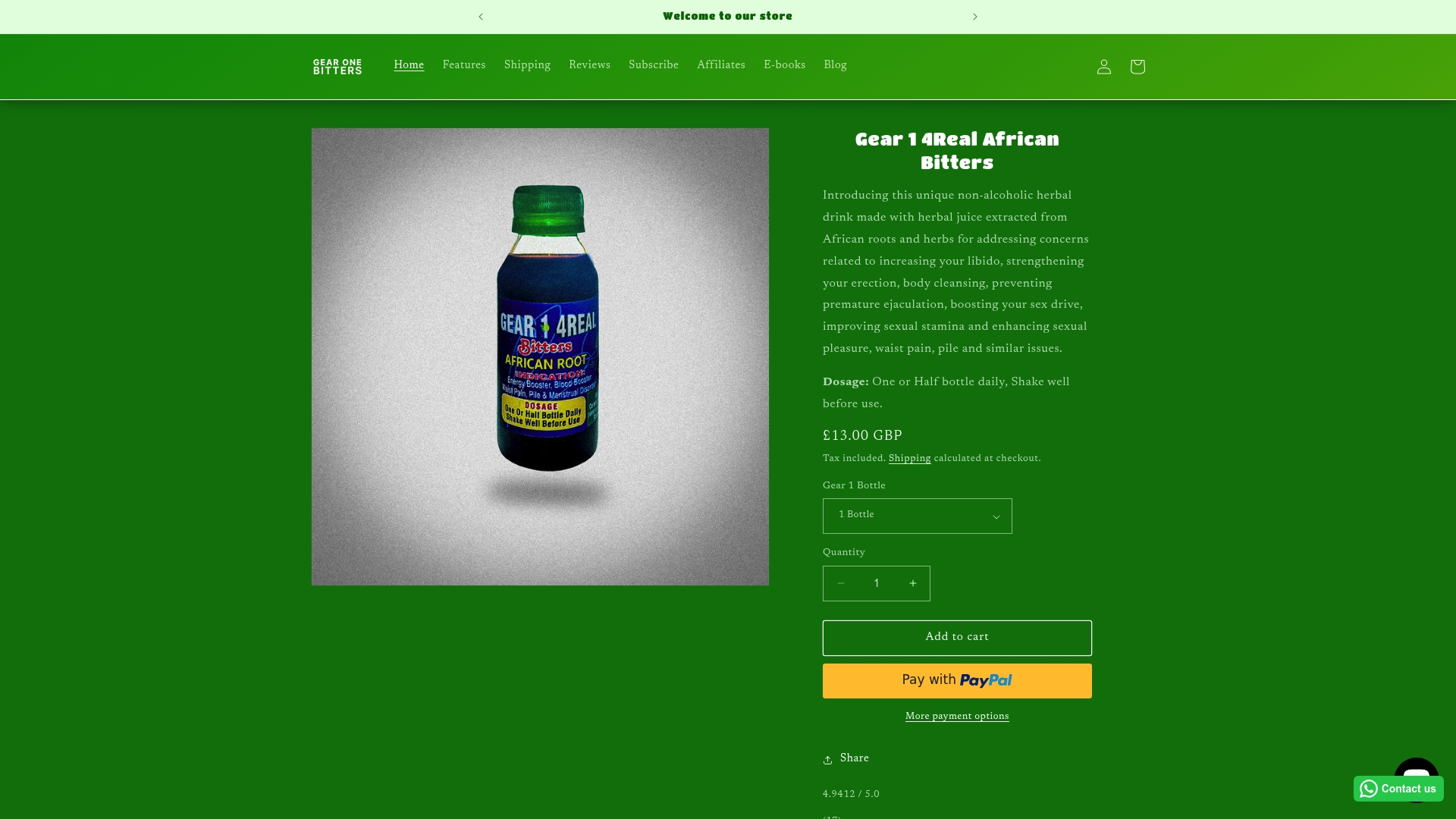
Zinc lays the hormonal groundwork for male sexual health, but natural plant compounds can work alongside it to support libido, circulation, and stamina in ways that a single mineral cannot achieve alone. Gear1 4Real African Bitters is a non-alcoholic herbal drink made from African roots and herbs, formulated to address libido, erection strength, sexual stamina, and premature ejaculation. Its herbal ingredients are selected for their traditional and evidence-informed roles in male vitality. If you are building a serious approach to sexual wellness, Gear1 is worth exploring as a natural complement to good nutrition and a zinc-sufficient diet.
FAQ
Does zinc directly increase testosterone in all men?
Zinc increases testosterone primarily in men who are zinc-deficient. In men with normal zinc levels, supplementation produces minimal changes in testosterone, according to a 2014 meta-analysis.
How much zinc should men take for sexual health?
The recommended dietary allowance for adult men is 11 mg per day. Staying below the tolerable upper limit of 40 mg per day is important to avoid copper depletion and immune disruption.
Can zinc help with erectile dysfunction?
Zinc supports erectile function indirectly by maintaining nitric oxide synthase activity, which enables vascular dilation. It is most effective when erectile difficulties are linked to zinc deficiency rather than cardiovascular or psychological causes.
What foods are highest in zinc for men?
Oysters are the richest dietary source of zinc, followed by red meat such as beef and lamb, pumpkin seeds, and legumes like chickpeas. Animal sources offer higher bioavailability than plant-based options.
Is zinc a substitute for medical treatment of sexual health issues?
Zinc is not a substitute for medical treatment. Persistent erectile dysfunction, very low libido, or fertility concerns should be evaluated by a urologist or endocrinologist, as these may indicate underlying conditions requiring clinical management.
Recommended
- How to increase male libido naturally: 2026 guide – Gear 1 4Real African Bitters
- What causes low sex drive in men: a clear guide – Gear 1 4Real African Bitters
- Why men lose sexual interest: causes and solutions – Gear 1 4Real African Bitters
- How African herbs boost libido: a 2026 guide – Gear 1 4Real African Bitters
About Gear 1 4Real African Bitters — a non-alcoholic herbal bitters made from African root and herb extracts, blended to a traditional recipe rooted in generations of use. See the product and full ingredients list.
Food supplement. Not intended to diagnose, treat, cure or prevent any disease.