
Why does libido decline as we get older?
Sexual desire naturally changes as you age, and that shift is driven by a combination of hormonal, psychological, and lifestyle factors working together. The decline is real, but it is not uniform. Some people notice a gradual fade in their 40s; others remain highly interested in sex well into their 70s. Understanding what is actually happening in your body and mind is the first step toward doing something constructive about it.
The main reasons why libido decreases with age include:
- Hormonal changes: falling testosterone in men, declining oestrogen and progesterone in women
- Psychological factors: stress, depression, anxiety, and shifts in self-image
- Relationship dynamics: partner’s libido, emotional intimacy, and communication quality
- Medications: SSRIs, antihypertensives, and statins all carry sexual side effects
- Chronic illness: diabetes, cardiovascular disease, and obesity all suppress sexual vitality
- Lifestyle habits: poor sleep, smoking, alcohol, and low physical activity
None of these factors operates in isolation. A man managing high blood pressure with antihypertensive medication, sleeping poorly due to nocturia, and carrying excess weight faces three converging pressures on his sex drive simultaneously. Recognising the full picture is what makes effective management possible.
Biological and hormonal causes of libido decline with age
Hormonal change is the most widely recognised driver of age-related libido loss, and the evidence is clear. In men, testosterone falls approximately 1% per year after midlife, a process sometimes called andropause. While one large European study of men aged 40–79 found slightly slower annual declines in testosterone, the broader scientific consensus remains that about 1% annual decline is typical. As androgen receptors in the hypothalamus and limbic system receive weaker signals, sexual thoughts, fantasies, and drive all reduce.

For women, the picture centres on menopause. The transition from cyclical oestrogen to consistently low post-menopausal levels triggers a cascade of changes: vaginal dryness, reduced lubrication, and pain during intercourse (dyspareunia). Genitourinary syndrome of menopause (GSM) affects a large proportion of post-menopausal women and compounds the psychological reluctance to engage in sex when physical discomfort is expected.
Key biological causes at a glance:
- Reduced testosterone: affects both men and women; in women, fluctuating testosterone levels have been linked to a fourfold increase in reported libido decline
- Oestrogen withdrawal: drives vaginal atrophy, decreased clitoral sensitivity, and reduced orgasmic intensity
- Hypothalamic-pituitary-gonadal axis disruption: reduces the rhythmic release of gonadotropin-releasing hormone (GnRH), lowering downstream sex hormone production
- Obesity-driven aromatisation: excess body fat converts testosterone into oestradiol, suppressing sexual vitality in men
- Neurovascular changes: reduced blood flow and nerve sensitivity affect arousal and physical response
One nuance worth knowing: testosterone levels alone do not perfectly predict libido. On a population level the correlation is strong, but individual cases vary considerably. A man with borderline-low testosterone and a loving, communicative relationship may have a healthier sex drive than a man with normal levels who is chronically stressed and sleep-deprived.
How stress, depression, and relationships affect sexual desire
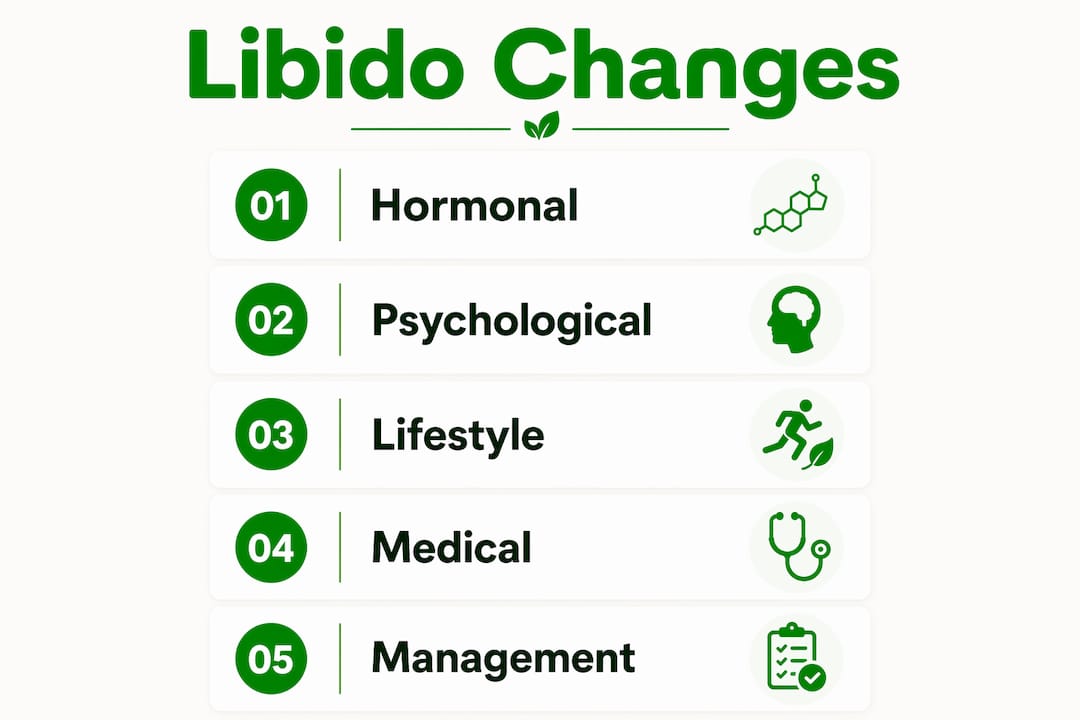
The psychological dimension of libido changes over time is frequently underestimated. Fatigue, depression, stress, and chronic illness all contribute meaningfully to declining sexual desire among older adults, often more than hormonal levels alone. Depression is particularly potent: it suppresses dopamine pathways that underpin motivation and pleasure, making sexual interest feel remote rather than appealing.
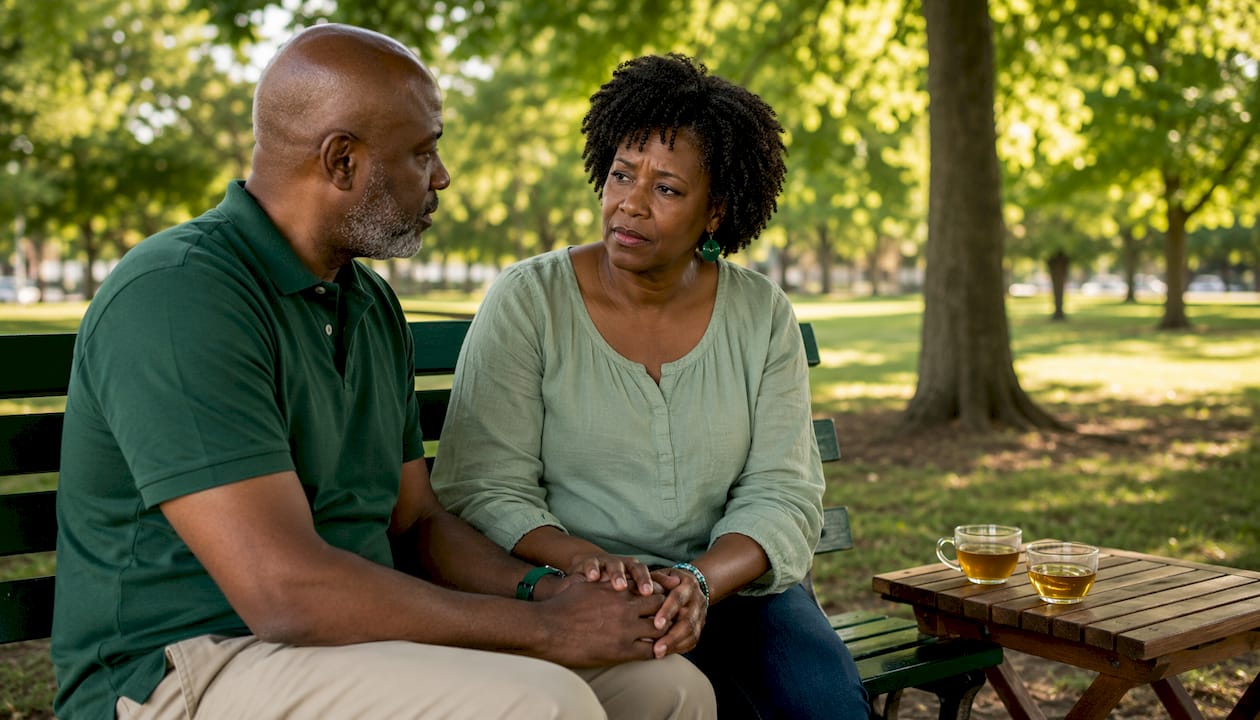
Relationship quality shapes desire in ways that biology cannot fully explain. Research involving over 8,000 participants found that sexual desire declines with age, with a steeper drop in women after 50 and a more stable trajectory in men until after 60. Yet stable, high-quality relationships actively protect men’s libido against age-related decline, suggesting that social context can offset biological pressure. Male desire also tends to peak in the 40s, partly linked to relational stability rather than purely to testosterone.
Psychological influences on libido in later life:
- Depression and anxiety: directly suppress sexual motivation and pleasure
- Chronic stress: elevates cortisol, which competes with testosterone production
- Body image concerns: particularly in women, where gendered beauty standards and ageism intersect with declining desire
- Partner’s libido: a mismatch in desire between partners creates pressure, guilt, and avoidance
- Life transitions: retirement, bereavement, and caring responsibilities redirect emotional energy away from intimacy
One clinical distinction that often gets blurred: low libido and erectile dysfunction (ED) are separate conditions with different causes. ED can secondarily reduce libido through the psychological weight of repeated difficulty, but they require different treatments. Conflating them leads to frustration and delays recovery.
Lifestyle choices and medications that suppress sex drive
Chronic disease and daily habits carry more influence over libido than most people realise. Diabetes impairs nerve function and blood flow, both of which are essential for arousal. Cardiovascular disease reduces circulatory efficiency. Obesity drives the hormonal aromatisation described earlier, converting testosterone into oestradiol and leaving men with lower bioavailable androgen than their blood tests might suggest.
Medications are a particularly overlooked cause. SSRIs, antihypertensives, and statins commonly produce sexual side effects that patients and even some clinicians mistake for natural ageing. Many people accept a diminished sex drive as inevitable when a simple prescription review with their GP could restore it. That conversation is worth having.
Lifestyle factors that suppress sexual desire:
- Smoking: an independent risk factor for decreased libido, with research in over 18,000 Australian adults finding smokers had an odds ratio of 2.18 for reduced desire
- Alcohol: depresses the central nervous system and lowers testosterone over time
- Poor sleep and nocturia: nocturnal awakening disrupts testosterone production and is an independent risk factor for severely decreased libido
- Physical inactivity: reduces cardiovascular fitness, testosterone, and mood
- Excess weight: compounds hormonal imbalance and reduces confidence
Sleep deserves particular attention. Testosterone production is closely tied to sleep quality, and research shows levels fall measurably with each nocturnal awakening. Addressing nocturia, whether through fluid management, medication review, or treating an underlying condition, can have a direct positive effect on sex drive.
How to manage and improve libido as you age
The good news is that many of the causes of declining sexual desire are modifiable. A primary care assessment is the logical starting point, as a GP can identify whether obesity, diabetes, cardiovascular health, or a medication is the primary driver. From there, targeted changes produce real results.
Practical strategies for supporting sexual desire as you age:
- Exercise regularly: aerobic activity and resistance training both support testosterone production and improve mood
- Manage weight: reducing excess body fat lowers oestradiol conversion and restores bioavailable testosterone
- Prioritise sleep: seven to nine hours of quality sleep protects hormonal balance; treating nocturia helps directly
- Review medications with your GP: SSRIs and antihypertensives may have alternatives with fewer sexual side effects
- Consider testosterone therapy: for men with confirmed hypogonadism, testosterone replacement can improve libido and energy; accurate testing requires two morning blood draws, not a single afternoon test
- Explore herbal support: African herbs and adaptogenic plants have a long history of supporting sexual vitality; Gear1’s 4Real African Bitters draws on this tradition with a non-alcoholic herbal formulation
- Eat for hormonal health: foods rich in zinc, healthy fats, and antioxidants support testosterone production; see natural aphrodisiac foods for practical dietary guidance
- Reduce alcohol and stop smoking: both directly suppress desire and compound hormonal disruption
Pro Tip: Before assuming your low libido is purely hormonal, ask your GP to review your full medication list. Many people discover that a prescription change, rather than hormone therapy, is all that is needed to restore their sex drive.
For women, hormone replacement therapy (HRT) combined with psychological counselling and physical therapy offers a well-evidenced, multi-pronged approach. The Women’s Health Initiative findings prompted caution around HRT in the late 1990s, but subsequent research has shown that many of those risk factors are more independent of HRT than initially understood.
Why communication and counselling make a real difference
Open conversation between partners is one of the most consistently effective tools for managing libido changes, yet it is often the last thing couples try. When desire drops, silence tends to fill the gap, and silence breeds assumptions: that the other person has lost interest, that something is wrong with the relationship, or that the situation is permanent. None of those conclusions is necessarily true.
Sex therapy and couples counselling provide a structured space to address mismatched desire, performance anxiety, and the emotional weight that accumulates around sexual difficulty. Cognitive behavioural therapy (CBT) has a strong evidence base for treating the anxiety and depression that frequently underlie low libido. Individual counselling can also help people work through body image concerns, grief, or life transitions that are quietly suppressing desire.
For men specifically, the ripple effect of confidence matters. When a man feels heard, supported, and emotionally connected to his partner, the psychological barriers to desire lower considerably. Relationship quality, as the research on interpersonal dynamics confirms, is a genuine protective factor against age-related libido decline. Investing in the relationship is, in a very practical sense, investing in sexual health.
Gear1 4Real African Bitters: natural support for sexual vitality
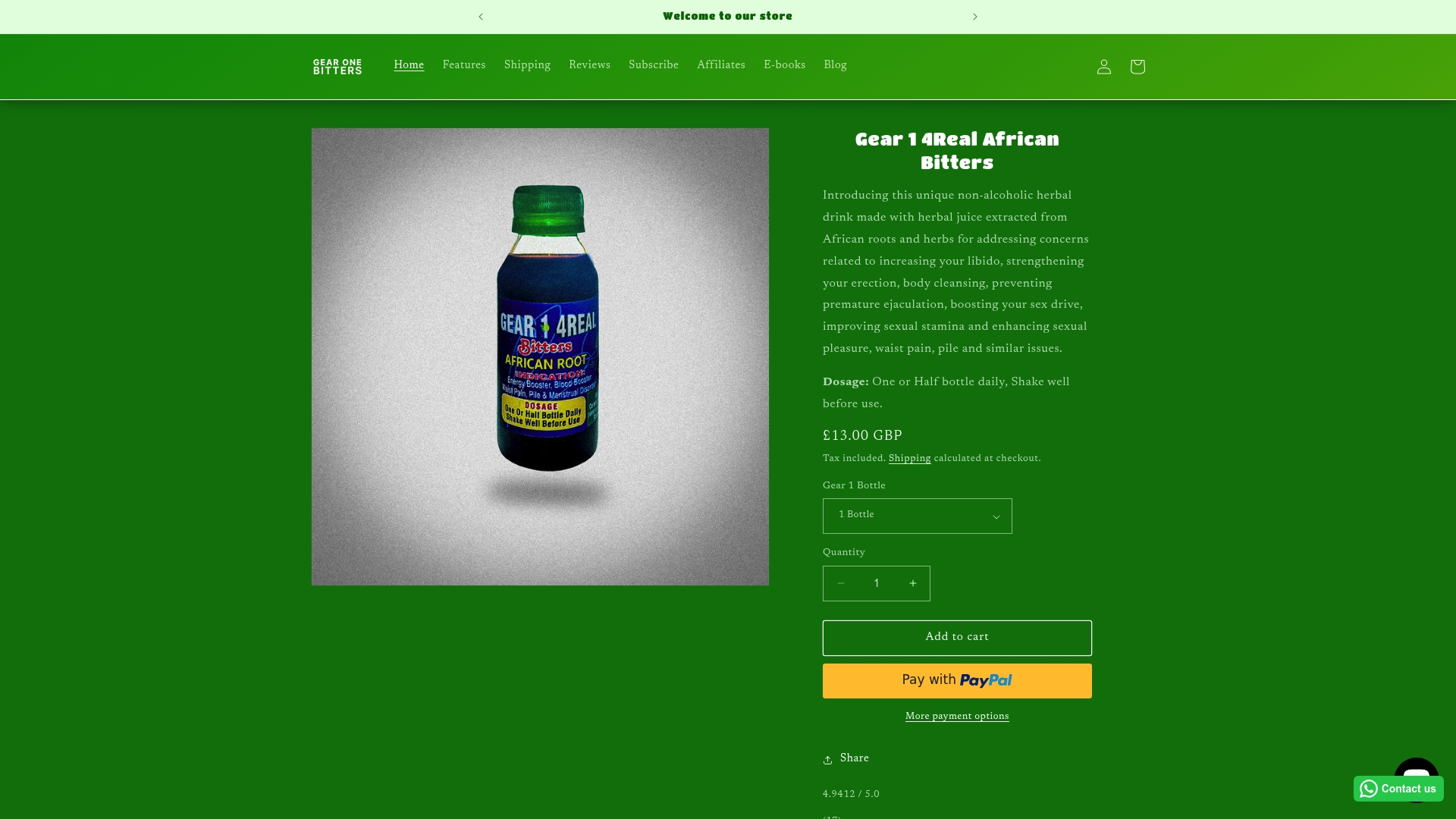
Gear1’s 4Real African Bitters is a non-alcoholic herbal drink made from African roots and herbs, formulated to support libido, strengthen erections, improve sexual stamina, and enhance overall sexual pleasure. It also addresses premature ejaculation, body cleansing, and waist discomfort. If you are looking for a natural complement to the lifestyle changes covered in this article, Gear1 4Real African Bitters is worth exploring. Go ahead and take that first step toward reclaiming your vitality.
Key takeaways
Libido decreases with age due to overlapping hormonal, psychological, and lifestyle factors, many of which are modifiable with the right support.
| Point | Details |
|---|---|
| Hormonal decline is central | Testosterone falls about 1% per year in men after midlife; oestrogen withdrawal drives GSM in women. |
| Medications are often overlooked | SSRIs, antihypertensives, and statins commonly suppress desire and are frequently mistaken for natural ageing. |
| Smoking raises libido risk | Research in over 18,000 adults found smokers had an odds ratio of 2.18 for reduced sexual desire. |
| Sleep quality directly matters | Each nocturnal awakening measurably reduces testosterone production and is an independent risk factor for low libido. |
| Relationship quality protects desire | Stable, high-quality long-term relationships actively buffer men’s libido against age-related decline. |
Recommended
- Why libido fluctuates in men: causes and solutions – Gear 1 4Real African Bitters
- What is male libido? A complete guide for men – Gear 1 4Real African Bitters
- What causes low sex drive in men: a clear guide – Gear 1 4Real African Bitters
- Why men lose sexual interest: causes and solutions – Gear 1 4Real African Bitters
About Gear 1 4Real African Bitters — a non-alcoholic herbal bitters made from African root and herb extracts, blended to a traditional recipe rooted in generations of use. See the product and full ingredients list.
Food supplement. Not intended to diagnose, treat, cure or prevent any disease.