
The fastest way to solve low libido relationship problems is a three-stage plan: repair emotional safety first, address lifestyle and medical factors second, and add selective herbal support third. Start today with these three moves:
- Have a low-stakes, no-agenda conversation with your partner about how you have both been feeling (not about sex).
- Book a GP appointment if the drop in desire was sudden, linked to a new medication, or accompanied by mood changes.
- Consider a UK-safe herbal adjunct, such as Gear1 4Real African Bitters, once the first two steps are underway.
Pro Tip: When you initiate reconnection, remove all expectation of sex from the moment. A simple “I miss spending time with you” lands far better than any hint of pressure, and it protects your partner’s nervous system from going into threat mode.
Table of Contents
- What can couples do this week to reduce pressure and restore desire?
- How do you identify why libido has dropped?
- Which lifestyle changes and medical checks actually support libido?
- What psychological and couples approaches rebuild desire?
- Are herbal supplements safe and useful for low libido in the UK?
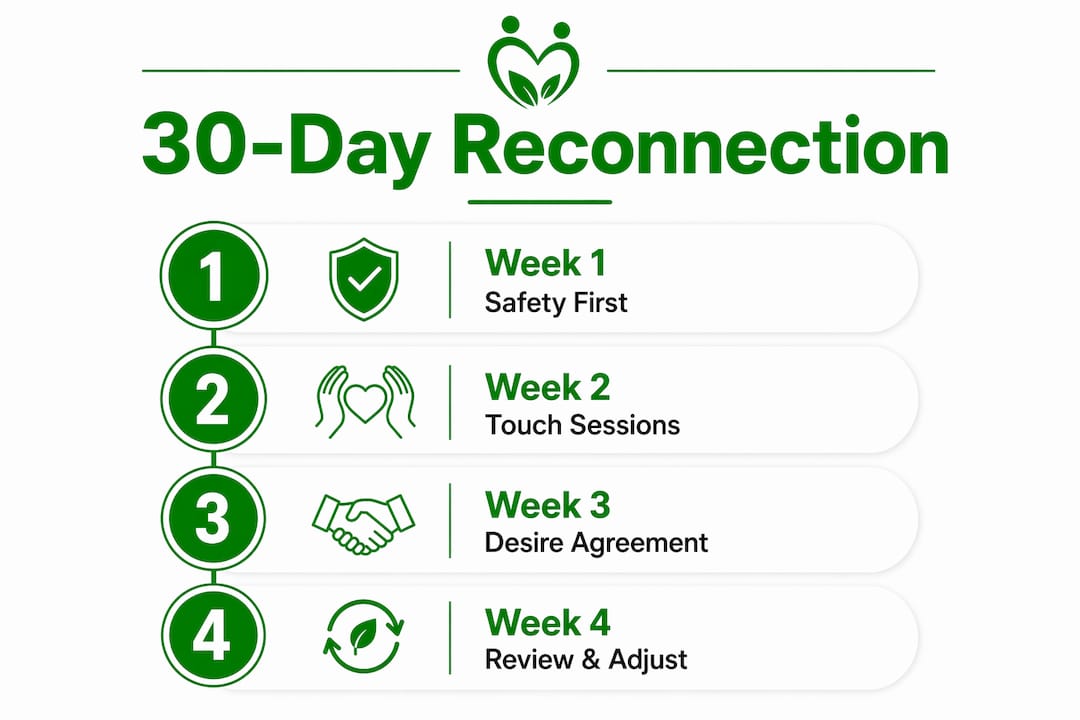
- Your 30-day reconnection plan
- When should you see a GP, therapist, or sex therapist in the UK?
- Key takeaways
- Why the relationship-first approach is the one most people skip
- Gear1 4Real African Bitters: a natural adjunct worth considering
- Useful sources and further reading
What can couples do this week to reduce pressure and restore desire?
Five steps you can start before the weekend:
- Low-stakes touch only. Agree that hugs, hand-holding and shoulder rubs carry zero expectation of sex. This rebuilds physical comfort without performance anxiety.
- The no-guilt rule. Either partner can say “not tonight” without owing an explanation. The response is always warm, never cold.
- Negotiate a desire agreement. Discuss a frequency you can both genuinely live with. Sex therapists recommend scheduling sex dates so the higher-desire partner stops grovelling and the lower-desire partner stops feeling badgered.
- Weekly five-minute check-in. Sit together, no phones, and share one thing that felt connecting and one thing that felt distant that week.
- Ten-second repair ritual. After any tension or a declined invitation, one partner initiates ten seconds of warm, non-sexual contact. This interrupts negative conditioning before it hardens into resentment.
Sample script for initiating: “I’d love to be close to you tonight. No pressure at all if you’re not feeling it.”
Sample script for responding to a “no”: “Thanks for telling me. Can we have a cuddle instead?”
Pro Tip: Avoid heavy conversations about sex or relationship issues in the hour before bed or immediately after a stressful event. Cortisol is still elevated, and nothing productive happens when both nervous systems are on high alert.
How do you identify why libido has dropped?
Many couples mislabel desire discrepancy as clinical low libido. The distinction matters because the treatment differs.
Low libido (clinical) refers to a persistent reduction in sexual interest that causes personal distress, often rooted in hormonal, medical, or neurological factors. Desire discrepancy is a relational mismatch: one partner simply has a higher baseline drive than the other. Desire discrepancy is the most common sexual complaint among couples, and it is not pathological.
Common relational drivers include the pursuer–withdrawer cycle, trust erosion, unresolved conflict, and chronic stress. Low libido and desire discrepancy are often rooted in systemic relationship factors such as communication breakdown and emotional disconnection rather than physical dysfunction alone.
Common physiological drivers:
- Hormonal changes: menopause, low testosterone, thyroid dysfunction
- Medications: SSRIs, some antihypertensives, certain antihistamines
- Chronic illness: diabetes, cardiovascular disease, chronic fatigue
- Poor sleep and sustained fatigue
Seek medical review promptly if: desire dropped suddenly with no obvious relational cause, you have pain during sex, you notice dramatic mood changes, or the drop coincided with starting a new medication.
Which lifestyle changes and medical checks actually support libido?
Lifestyle adjustments including a balanced diet, regular aerobic exercise, good sleep hygiene, and stress management can naturally enhance libido and sexual stamina. These are not optional extras; they are the foundation.

Diet and exercise: Prioritise zinc-rich foods (pumpkin seeds, lean meat), healthy fats, and complex carbohydrates. Learn more about foods that support male libido as part of your daily plan. Aim for 150 minutes of moderate aerobic activity per week.
Sleep and alcohol: Seven to nine hours of sleep supports healthy testosterone production. Alcohol suppresses sexual response even in moderate amounts; smoking reduces blood flow and hormonal balance.
Medication review: SSRIs, some antihypertensives, and certain antihistamines can lower sexual desire. If your desire dropped after starting a drug, ask your GP to review the prescription. Options include dose reduction, a brief break, or switching to alternatives such as mirtazapine, bupropion, or vortioxetine.
Steps to take at your GP appointment:
- Request a hormone panel (testosterone, oestrogen, thyroid function).
- Ask specifically whether any current medication lists reduced libido as a side effect.
- Mention sleep quality, stress levels, and any mood changes.
- Ask for a referral to a sexual health clinic if the GP cannot identify a clear cause.
Pro Tip: Write your concerns down before the appointment. GPs have limited time, and a concise list of symptoms, their timeline, and any medications you take helps them reach the right tests faster.
What psychological and couples approaches rebuild desire?
Emotional safety is the prerequisite for physical desire in long-term relationships. Mindfulness meditation and CBT show evidence of improving sexual desire and satisfaction, often outperforming pharmaceutical options for female desire disorders. Emotionally Focused Therapy (EFT) addresses the attachment patterns that drive the pursuer–withdrawer cycle.
Practical exercises to try at home:
- Co-regulation (six-second hug). Stand together, breathe slowly, and hold for six full seconds. This synchronises nervous systems and signals safety without any sexual agenda.
- Low-stakes touch reset. Spend ten minutes giving each other non-sexual touch (back rub, scalp massage) with no expectation of escalation.
- Curiosity questions. Each evening, ask one question neither of you has asked before. This rebuilds intellectual intimacy, which feeds physical desire.
- Repair after a “no” ritual. Ten seconds of warm contact immediately after a declined invitation prevents negative conditioning from accumulating.
Structure sessions as 15-minute protected windows, three times per week. Expect gradual progress over four to six weeks, not overnight change.
Pro Tip: Use responsive desire techniques — build arousal through context (lighting, music, a shared activity you both enjoy) rather than direct initiation. Context lowers the activation threshold for the lower-desire partner.
Are herbal supplements safe and useful for low libido in the UK?
Herbal supplements work best as adjuncts to relationship repair and lifestyle changes, not as replacements for medical care or therapy. With that framing in place, they can provide meaningful support.
Safety checklist for UK buyers:
- Check that the product complies with MHRA guidance on herbal medicines sold in the UK.
- Look for a clear, complete ingredient list with standardised extract concentrations.
- Confirm batch testing and allergen labelling are present on the packaging.
- Check for interaction warnings, particularly with SSRIs and anticoagulants.
- Discuss with your GP or pharmacist before starting any supplement if you are on prescription medication.
Features to prefer: transparent sourcing, named African or botanical roots with clear provenance, non-alcoholic formulation, and explicit usage instructions. Red flags include proprietary blends with no ingredient quantities, no contact address, and no batch number.
Explore the evidence on herbs that support sex drive and how African herbs have traditionally been used to support libido and stamina.
This article is general information, not medical advice. Always confirm the current guidance with a qualified healthcare professional for your own situation.
Your 30-day reconnection plan
Week 1: Safety first. Daily six-second hug, one curiosity question per evening, no sexual initiation. Goal: reduce threat response.
Week 2: Touch without agenda. Add two 10-minute non-sexual touch sessions. Schedule one protected social activity together (a walk, a meal out). Goal: rebuild physical comfort.
Week 3: Desire agreement. Negotiate and calendar your first sex date. Introduce a herbal supplement if lifestyle checks are underway and no contraindications exist. Goal: reduce performance anxiety through predictability.
Week 4: Review and adjust. Use the tracking table below at the end of the week. Reopen the frequency negotiation if needed.
Pro Tip: Fill in the table together, not separately. Sharing the data removes blame and turns the review into a collaborative conversation rather than a performance assessment.
When should you see a GP, therapist, or sex therapist in the UK?
See a GP if: desire dropped suddenly without a clear relational cause, you have pain during or after sex, you are experiencing significant mood changes, or you suspect a medication side effect.
See a sexual health clinic if: you want hormone testing, STI screening, or specialist input without a GP referral. NHS sexual health clinics accept self-referrals.
See a sex therapist if: the issue is primarily psychological or relational, you have anxiety around sex, or the couple’s dynamic is stuck in a pursuer–withdrawer pattern. Look for therapists accredited by the British Association for Counselling and Psychotherapy (BACP) or the UK Council for Psychotherapy (UKCP).
See a couples therapist if: trust has broken down, unresolved conflict is the primary driver, or communication has collapsed. EFT-trained therapists are particularly effective for attachment-based intimacy issues.
Steps to book:
- Visit your GP practice website and request a same-week appointment, citing sexual health concerns.
- Search the BACP therapist directory at bacp.co.uk for accredited practitioners near you.
- Access NHS Talking Therapies (formerly IAPT) via self-referral for CBT-based support.
Pro Tip: When speaking to a GP, use the phrase “I have noticed a significant change in my sexual desire that is affecting my relationship and wellbeing.” This clinical framing prompts a structured assessment rather than a brief reassurance.
Key takeaways
Solving low libido in a relationship requires addressing emotional safety, lifestyle factors, and medical drivers before reaching for any supplement.
| Point | Details |
|---|---|
| Relationship safety first | Repair emotional connection before focusing on physical intimacy; safety enables desire. |
| Triage the cause | Distinguish desire discrepancy (relational) from clinical low libido before choosing a treatment path. |
| Lifestyle and medical checks | Diet, exercise, sleep, and a GP medication review form the evidence-based foundation. |
| 30-day reconnection plan | Use the week-by-week protocol to rebuild touch, negotiate frequency, and track progress together. |
| Gear1 as herbal adjunct | Gear1 4Real African Bitters supports libido, stamina, and sexual energy as part of a broader plan, not a standalone fix. |
Why the relationship-first approach is the one most people skip
Most people who search for low sex drive solutions go straight to supplements or medical fixes. That instinct is understandable, but it often misses the actual problem. In long-term relationships, the nervous system is the gatekeeper of desire. When a partner feels unsafe, criticised, or emotionally distant, the body simply will not cooperate, regardless of what you take.
The evidence for EFT and CBT is clear: repairing attachment patterns produces lasting changes in desire that no pill or supplement can replicate on its own. Herbal products have a genuine role, particularly for supporting energy, hormonal balance, and stamina, but they work best when the relational soil is already being tended.
The 30-day plan in this guide is not a gimmick. It is a structured way to give both partners a shared language, a shared timeline, and a shared sense of progress. That shared experience is often what breaks the cycle.
Gear1 4Real African Bitters: a natural adjunct worth considering
When the relationship work is underway and lifestyle checks are in progress, a well-formulated herbal drink can provide meaningful additional support. Gear1 4Real African Bitters is a non-alcoholic herbal drink made from African roots and herbs, designed to support libido, sexual stamina, erectile function, and energy without alcohol or synthetic additives.
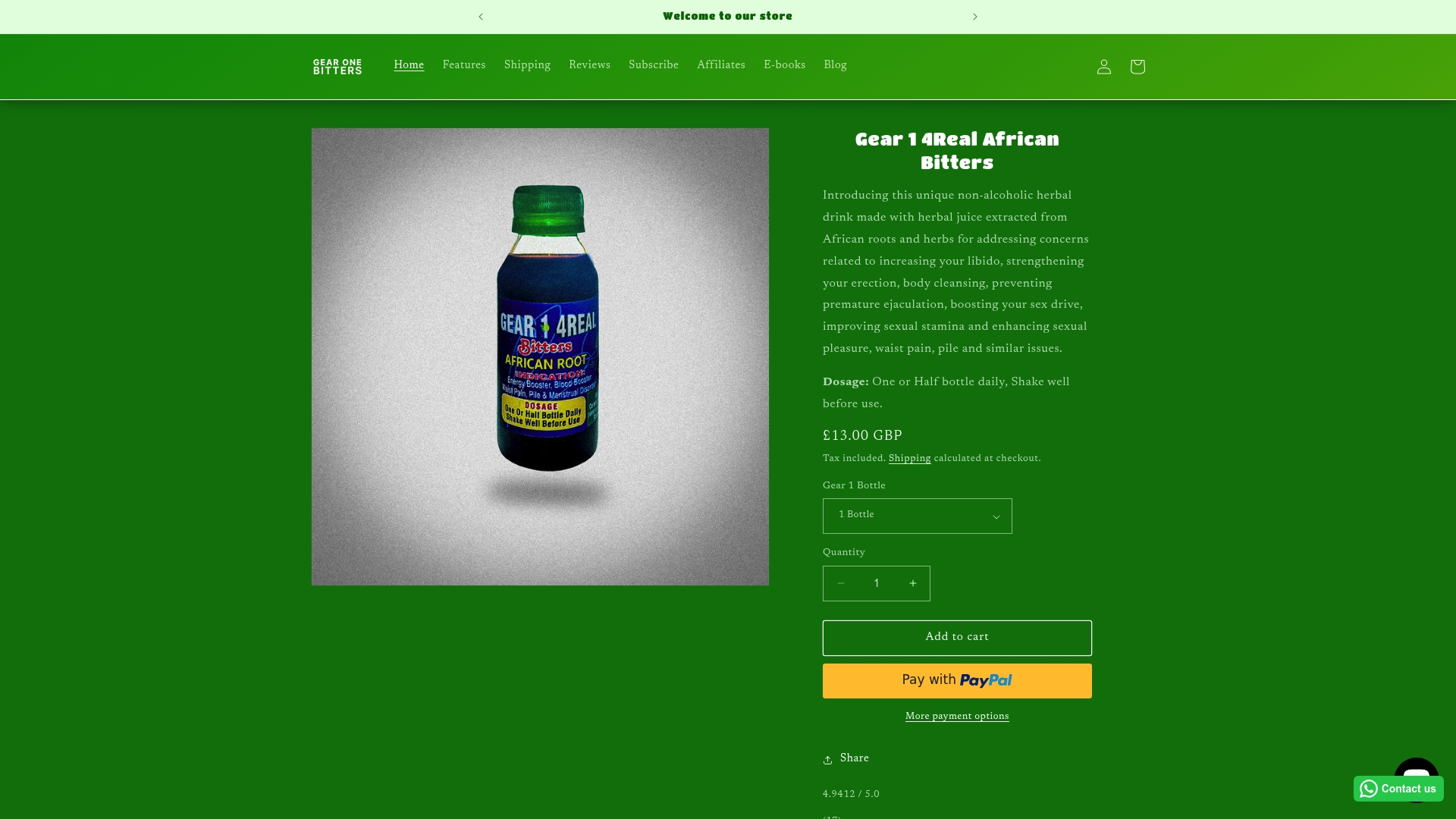
It targets several of the physical contributors to low desire: reduced sex drive, low stamina, premature ejaculation, and general vitality. The non-alcoholic formulation makes it suitable for daily use, and the herbal base draws on traditional African botanical knowledge with a clear ingredient focus.
If you are on prescription medication, speak to your GP or pharmacist before starting. Use it as part of the 30-day plan, introduce it in Week 3, and log any effects in your tracking table. Visit the Gear1 shop to order and begin your 30-day evaluation.
Useful sources and further reading
- NHS — sexual health and lifestyle guidance
- Psychology Today — resolving couples’ desire differences
- TherapyExplained — therapy for intimacy issues
- Empathi — intimacy issues and nervous system repair
- Empathi — how to improve intimacy in a relationship
- ResearchGate — mindfulness and CBT for sexual desire
- Mayo Clinic — low sex drive in women: diagnosis and treatment
- Cleveland Clinic — low libido causes and treatment
- BACP therapist directory: bacp.co.uk
- NHS Talking Therapies self-referral: nhs.uk/mental-health/talking-therapies-medicine-treatments
Recommended
- Why libido decreases with age: causes and solutions – Gear 1 4Real African Bitters
- What causes low sex drive in men: a clear guide – Gear 1 4Real African Bitters
- The role of libido in relationship health – Gear 1 4Real African Bitters
- Boost mood and intimacy naturally: 12 proven ways – Gear 1 4Real African Bitters
About Gear 1 4Real African Bitters — a non-alcoholic herbal bitters made from African root and herb extracts, blended to a traditional recipe rooted in generations of use. See the product and full ingredients list.
Food supplement. Not intended to diagnose, treat, cure or prevent any disease.