
Sleep quality is a core determinant of sexual performance, not a secondary factor you can sacrifice without consequence. When you sleep well, your body produces testosterone, maintains healthy blood flow, and keeps your nervous system in the calm state required for arousal. When sleep suffers, every one of those systems takes a hit. Understanding how sleep affects sexual performance gives you a clear path to improving your intimate life, starting tonight.
How does sleep physiologically influence sexual performance?
The biology connecting sleep and sexual function is specific and well understood. Your body does not simply rest during sleep. It actively maintains the systems that make desire, arousal, and erection possible.
Testosterone production and REM sleep
Testosterone production peaks during sleep, particularly during REM (Rapid Eye Movement) stages. REM sleep disruption impairs nocturnal erections and vascular function through autonomic nervous system imbalance and neuroendocrine changes. This matters because testosterone is the primary driver of sexual desire in men, and its production cannot simply be “caught up” during waking hours.

Sleep-related erections and tissue health
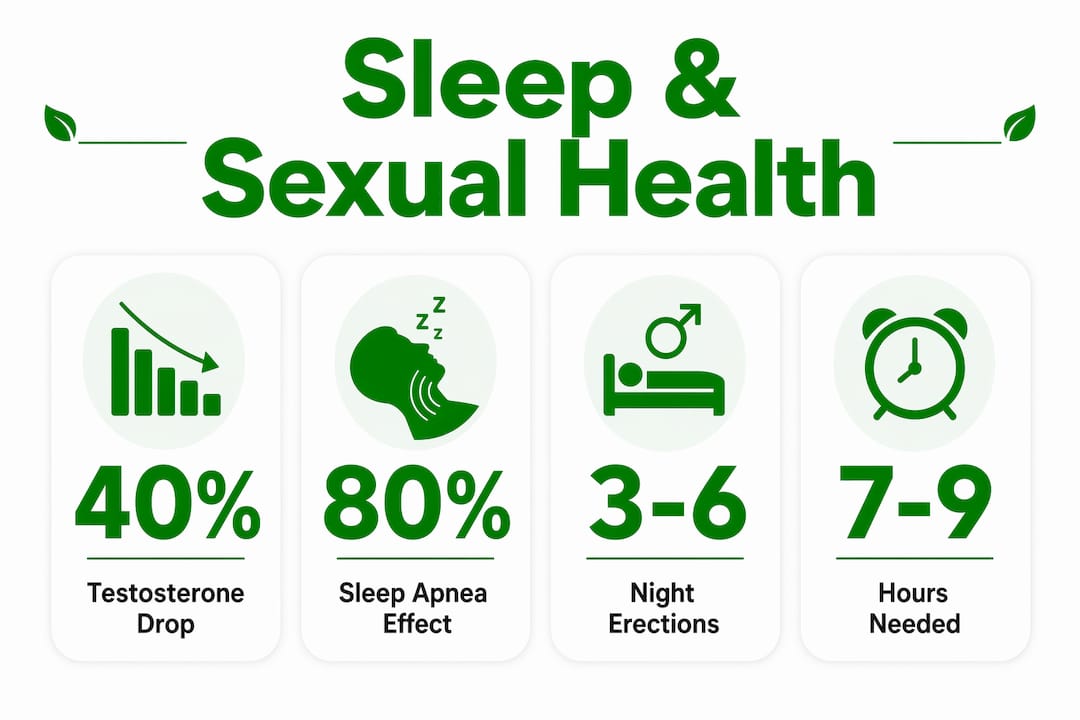
Healthy men experience 3–6 sleep-related erection episodes per night during REM sleep, each lasting 15–40 minutes. These erections are not random. They serve a physiological purpose: restoring oxygen to penile tissue and preventing fibrosis. Without adequate REM sleep, this nightly maintenance cycle breaks down, and erectile tissue health declines over time.
The autonomic nervous system and arousal
Sexual arousal depends on the parasympathetic nervous system, the “rest and digest” state. Poor sleep, particularly sleep fragmented by breathing disturbances, repeatedly activates the sympathetic “fight or flight” response instead. Microarousals activate the sympathetic nervous system repeatedly, directly harming the conditions needed for arousal and erection. You cannot be simultaneously stressed and sexually responsive. The body simply does not work that way.
Pro Tip: If you wake feeling unrested despite spending 7–8 hours in bed, fragmented sleep architecture rather than total sleep time may be the issue. A sleep study can identify whether breathing disturbances are disrupting your REM cycles.
What is the impact of sleep deprivation on libido and sexual health?
Sleep deprivation and sexual health are directly linked, and the effects appear faster than most people expect.
Short-term restriction and testosterone
One week of sleep restriction to 4–5 hours per night causes a measurable decline in testosterone levels in both men and women. That is not a long-term chronic problem. Seven days of poor sleep is enough to reduce the hormone most responsible for sexual drive. The implication is straightforward: you do not need a sleep disorder to experience reduced libido. A single bad week matters.
Obstructive sleep apnea and sexual dysfunction
Obstructive sleep apnea (OSA) is the most studied sleep disorder in relation to sexual health. Upwards of 80% of men with OSA experience sexual dysfunction, including decreased libido and erectile dysfunction. The severity of the condition compounds the problem. Research shows a significant correlation between AHI scores and sexual dysfunction, meaning the worse the apnea, the worse the sexual health outcomes. AHI stands for Apnea-Hypopnea Index, the standard clinical measure of sleep apnea severity.
Psychological consequences of poor sleep
Poor sleep does not only affect hormones. It reshapes your mental state in ways that directly reduce intimacy. Mood disorders, irritability, and emotional withdrawal all follow chronic sleep deprivation. These psychological shifts create distance in relationships, reducing the emotional closeness that supports a healthy sex life. The effects of sleep on arousal are therefore both physical and relational.
| Sleep issue | Primary sexual health impact |
|---|---|
| Sleep restriction (4–5 hrs/night) | Measurable testosterone decline within one week |
| Obstructive sleep apnea | Over 80% prevalence of sexual dysfunction in affected men |
| REM sleep disruption | Impaired nocturnal erections and vascular function |
| Chronic sleep deprivation | Dopamine downregulation reducing sexual motivation |
How do hormonal and neurological changes from poor sleep reduce sexual desire?
The hormonal consequences of poor sleep go beyond testosterone. Cortisol, the body’s primary stress hormone, rises significantly when sleep is insufficient. Elevated cortisol suppresses reproductive hormones and keeps the body in a stressed physiological state that is incompatible with the relaxation required for desire and arousal. High cortisol and high libido do not coexist.
Dopamine and the reward system
The neurological side of this story is equally important. Chronic sleep loss causes dopamine downregulation in the brain’s reward pathways, making sexual stimuli less rewarding even when physical capacity remains intact. This explains a common and confusing experience: you have the physical ability to perform, but the desire simply is not there. The brain’s pleasure response has been dulled, not the body’s mechanics.
Many people with low sexual desire due to poor sleep are not clinically hormone-deficient. They are experiencing dopamine downregulation reducing pleasure response and desire. This distinction matters because it means the solution is not always a prescription. Restoring sleep quality can restore desire without any additional intervention.
Mental fatigue and emotional disconnect
Mental fatigue from poor sleep creates a specific kind of emotional withdrawal. You become less present, less responsive to your partner, and less motivated to invest in intimacy. This is not a character flaw. It is a neurological consequence of insufficient recovery. The connection between sleep quality and sexual function runs through the brain as much as through the body.
Pro Tip: Tracking your mood and desire levels alongside your sleep hours for two weeks often reveals a clear pattern. Most people are surprised by how directly their energy and interest in intimacy follow their sleep quality the night before.
What lifestyle strategies improve sleep for better sexual performance?
Improving your sleep quality is one of the most direct ways to support your sexual health. The strategies below address both sleep architecture and the hormonal environment that sleep maintains.
-
Set a consistent sleep schedule. Going to bed and waking at the same time every day, including weekends, stabilises your circadian rhythm. This consistency supports regular testosterone production and maintains the sleep stages most important for sexual health.
-
Reduce screen exposure before bed. Blue light from phones and screens suppresses melatonin production, delaying sleep onset and reducing total REM time. Switching off screens 60–90 minutes before bed protects the sleep stages that maintain erectile function and hormonal balance.
-
Manage stress actively. Cortisol management is not optional if you want to protect your libido. Practices such as breathwork, light evening exercise, and limiting caffeine after midday all reduce the cortisol load that suppresses reproductive hormones during sleep.
-
Seek treatment for sleep disorders. If you snore heavily, wake frequently, or feel unrefreshed despite adequate time in bed, obstructive sleep apnea may be the cause. Treating OSA has been shown to improve sexual function significantly, because it restores the parasympathetic state and REM cycles that arousal depends on.
-
Support sleep through diet and natural supplements. Diet directly influences sleep quality and hormonal balance. Foods rich in zinc, magnesium, and adaptogenic compounds support both testosterone production and sleep depth. You can read more about foods that support male sexual energy and how they connect to sleep and performance. Natural ways to increase testosterone through diet are also worth exploring as a complement to better sleep habits.
Restoring normal sleep cycles, with sufficient REM and deep sleep, may act as a fundamental hormone therapy for sleep-related sexual dysfunction, sometimes outperforming medications. That is a significant claim, and it is grounded in the physiology described throughout this article.
Key takeaways
Sleep quality directly determines sexual performance by regulating testosterone production, vascular health, and the parasympathetic nervous system state required for arousal and erection.
| Point | Details |
|---|---|
| Sleep and testosterone | One week of restricted sleep measurably lowers testosterone, reducing libido in both men and women. |
| REM sleep and erections | Healthy men need 3–6 nocturnal erection episodes per night to maintain erectile tissue health. |
| Sleep apnea risk | Over 80% of men with obstructive sleep apnea experience sexual dysfunction. |
| Cortisol and desire | Elevated cortisol from poor sleep suppresses reproductive hormones and blocks the relaxation needed for arousal. |
| Dopamine and motivation | Chronic sleep loss dulls the brain’s reward response, reducing sexual desire even when physical capacity remains. |
Sleep, sex, and the thing most men overlook
I have spoken with many men who arrive at conversations about sexual performance focused entirely on supplements, techniques, or relationship dynamics. Sleep rarely comes up. When it does, it is usually dismissed as something they will sort out “eventually.” That dismissal is costing them more than they realise.
What strikes me most about the research on sleep and sexual health is how fast the effects appear. One week of restricted sleep and testosterone drops. A few nights of fragmented rest and the brain’s reward system begins to dull. These are not slow, cumulative processes. They are rapid, measurable changes that most men attribute to stress, age, or relationship issues rather than their sleep habits.
The other thing worth saying plainly: treating sleep as a health priority is not a soft or passive choice. It is one of the most direct interventions available for hormonal balance, vascular health, and sexual confidence. The consistent sleep-wake cycle misalignment that comes from irregular schedules contributes to early hormonal dysregulation. Fixing that is not complicated. It requires consistency, not medication.
If your intimate life feels flat, start with your sleep. Not as a last resort. As the first, most logical step.
— Ayomide
Gear1 and natural support for your sexual health
Good sleep lays the foundation, but what you put into your body matters too. Gear1 is a non-alcoholic herbal drink made from African roots and herbs, formulated to support libido, strengthen erections, improve sexual stamina, and enhance sexual pleasure. It works alongside the lifestyle habits described in this article, not as a replacement for them.
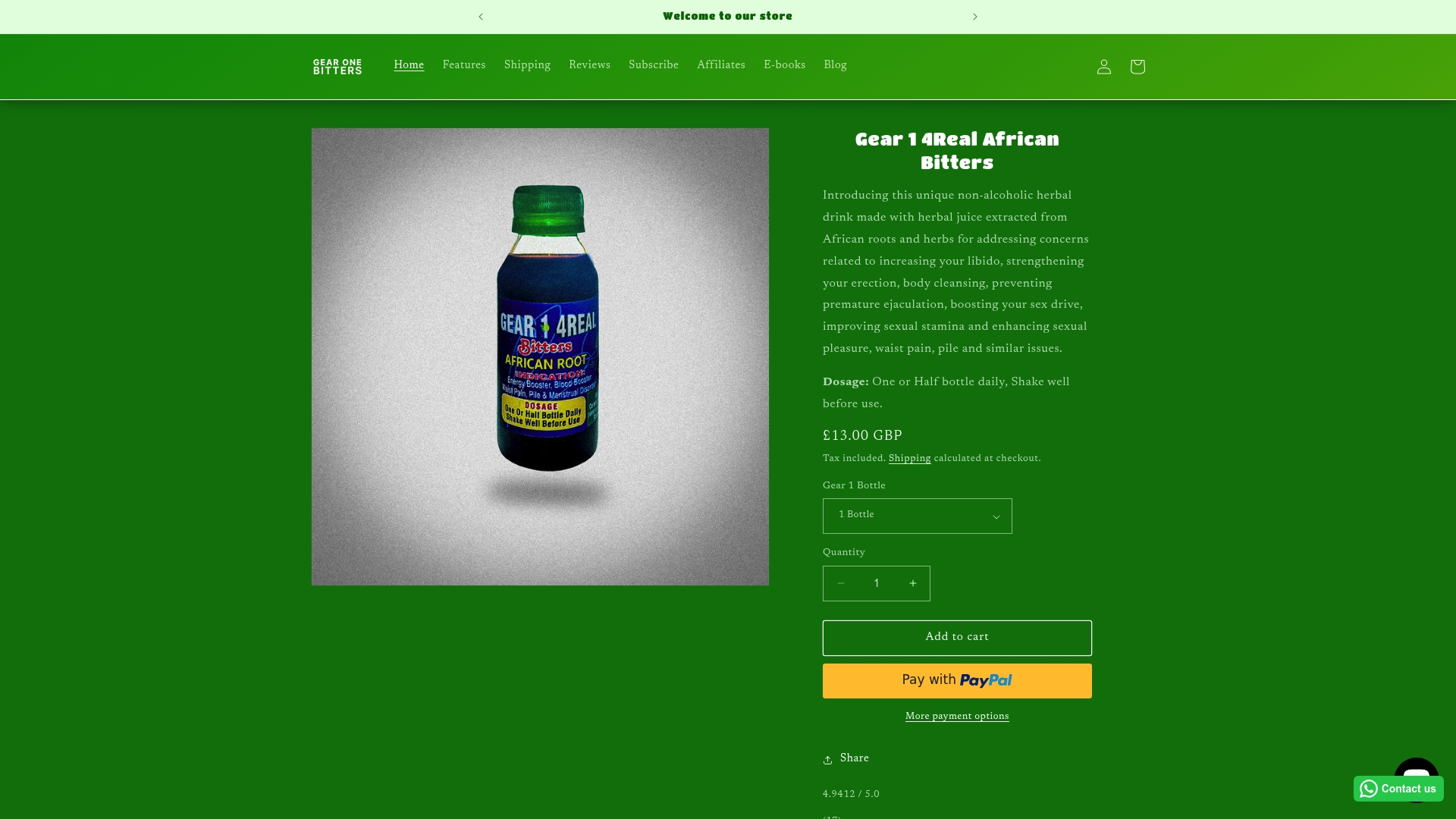
If you want to understand how diet and natural compounds connect to hormonal health and sexual performance, the benefits of herbal sexual enhancement drinks are worth reading. You can also explore the full range of natural options at the Gear1 shop and find the support that fits your goals.
FAQ
Does poor sleep directly lower testosterone?
Yes. One week of sleep restriction to 4–5 hours per night causes a measurable decline in testosterone levels, directly reducing sexual drive and performance.
Can sleep apnea cause erectile dysfunction?
Sleep apnea causes repeated sympathetic nervous system activation that disrupts the parasympathetic state required for erection. Over 80% of men with OSA experience sexual dysfunction as a result.
How many hours of sleep do you need for good sexual health?
Most adults require 7–9 hours of quality sleep, with sufficient REM cycles, to maintain the hormonal and vascular conditions that support healthy sexual function.
Why do I have no desire even though I feel physically fine?
Dopamine downregulation from chronic sleep loss reduces the brain’s reward response to sexual stimuli, lowering desire even when physical capacity remains intact.
Can improving sleep restore sexual function without medication?
Restoring normal sleep cycles with sufficient REM and deep sleep can act as a fundamental hormonal reset, and research suggests it may outperform medication for sleep-related sexual dysfunction in many cases.
Recommended
- What causes sexual fatigue in men: 2026 guide – Gear 1 4Real African Bitters
- Why diet affects sex drive: the full picture – Gear 1 4Real African Bitters
- Why male sexual health impacts partners: what you need to know – Gear 1 4Real African Bitters
- The role of relaxation in better sex: a practical guide – Gear 1 4Real African Bitters
About Gear 1 4Real African Bitters — a non-alcoholic herbal bitters made from African root and herb extracts, blended to a traditional recipe rooted in generations of use. See the product and full ingredients list.
Food supplement. Not intended to diagnose, treat, cure or prevent any disease.