
Male sexual health is a critical factor shaping the emotional and physical wellbeing of both partners in a relationship. When a man experiences sexual dysfunction, clinically referred to as male sexual dysfunction (MSD), the effects extend far beyond the bedroom. Understanding why male sexual health impacts partners is the first step towards addressing it together. Approximately 40% of men experience some degree of erectile dysfunction (ED) by age 40, and that figure rises sharply with age. The relational consequences are just as significant: 75% of women whose partners have ED report it meaningfully affects their self-esteem and emotional closeness.
Why male sexual health impacts partners emotionally and psychologically
Male sexual dysfunction does not affect one person in isolation. When a man withdraws from intimacy due to shame or anxiety, his partner often interprets that withdrawal as personal rejection. Partners frequently misinterpret sexual dysfunction as a sign of infidelity or lost attraction, which creates emotional distance that compounds the original problem.
The psychological consequences for partners are well documented. Lowered self-esteem, feelings of inadequacy, and a persistent sense of rejection are common responses. These feelings are not irrational. They arise from a lack of information and open dialogue about what is actually happening.

Silence is often the most damaging element. Silence about male sexual health issues damages relationships more than the dysfunction itself, creating misunderstood withdrawal and pressure loops that neither partner knows how to break. When neither person names the problem, both suffer in separate, private distress.
Experts consistently recommend that couples approach ED as a shared health concern rather than an individual failure. This reframing reduces anxiety on both sides and opens the door to productive conversation. Timing matters too. Raising the subject during or immediately after a sexual encounter tends to heighten defensiveness. A calm, neutral moment works far better.
- Partners commonly experience lowered self-esteem, feelings of rejection, and emotional withdrawal when male sexual dysfunction goes unaddressed.
- Misinterpreting ED as rejection or infidelity is a documented pattern that worsens relational strain.
- Framing the issue as a shared health concern, rather than a personal failure, reduces anxiety for both partners.
- Choosing a calm, neutral moment for conversation reduces defensiveness and improves outcomes.
Pro Tip: If you are the partner initiating the conversation, lead with curiosity rather than concern. “I want us to feel close again” opens more doors than “I feel rejected.”
What does male sexual dysfunction signal about wider health risks?
Erectile dysfunction is not simply a sexual health problem. It is a recognised early warning sign for serious systemic conditions that affect both partners’ futures. Men with ED carry a 59% higher risk of coronary heart disease, a 34% higher risk of stroke, and a 68% greater likelihood of dementia over a seven-year period. These are not marginal risks. They represent a significant shift in long-term health trajectory.
“Sexual symptoms often serve as early warning signs for underlying conditions like cardiovascular disease and diabetes, necessitating full medical evaluation rather than isolated treatment. Treating ED symptoms without addressing the root systemic disease leads to poorer health outcomes and continued relationship stress.”
The implication for couples is direct. A partner who encourages a man to seek medical assessment is not overreacting. She may be prompting a diagnosis that prevents a heart attack or stroke. Early medical evaluation rather than isolated symptom treatment produces meaningfully better health outcomes.
| Health risk associated with ED | Increased likelihood compared to men without ED |
|---|---|
| Coronary heart disease | 59% higher risk |
| Stroke | 34% higher risk |
| Dementia | 68% higher likelihood |
Partner involvement in encouraging medical consultation is one of the most protective factors available. Men are statistically less likely to seek help unprompted. A supportive, informed partner who understands the systemic significance of ED can make a genuine difference to long-term health outcomes for both of them.
How does performance anxiety create cycles that worsen sexual health?
Anxiety and sexual performance are deeply connected. Performance anxiety creates a vicious cycle where fear of failure inhibits the physiological response needed for an erection, which then reinforces self-doubt, which makes the next encounter more fraught. This cycle can persist for months or years without intervention.
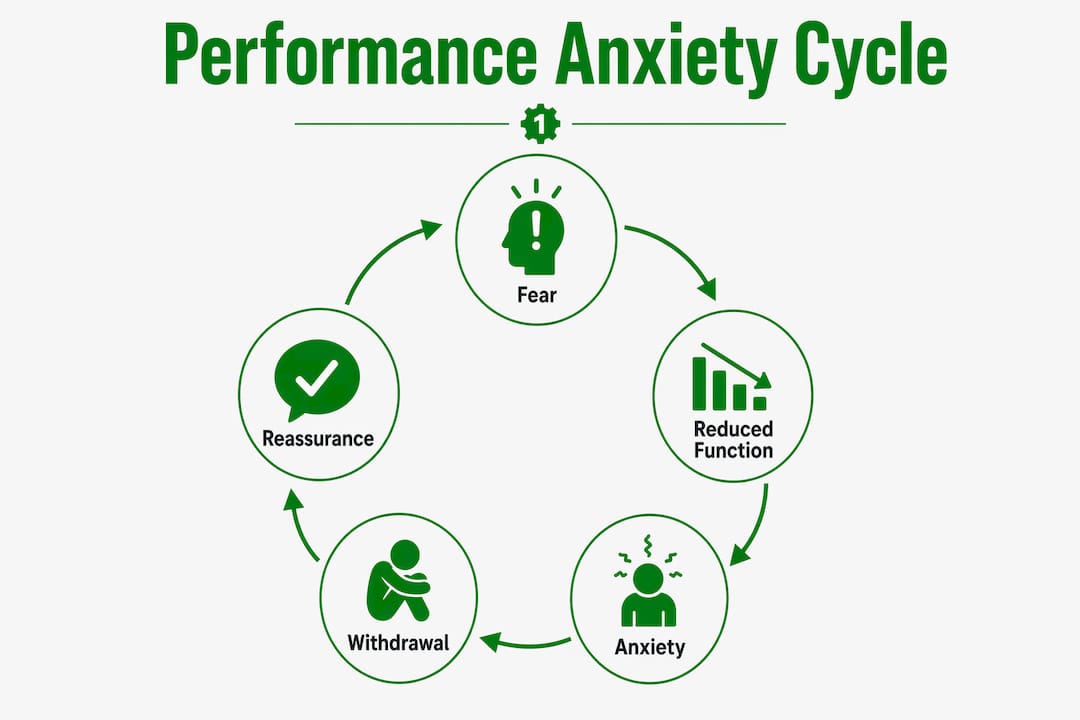
The partner’s response plays a significant role in whether this cycle tightens or loosens. Reassurance expressed as pressure (“Just relax, it’ll be fine”) often backfires. Genuine acceptance and a willingness to redefine what intimacy looks like in the short term tends to reduce the psychological load considerably.
One of the most effective strategies is removing penetrative sex from the agenda temporarily. Taking penetrative sex off the table allows couples to reduce performance pressure and rediscover intimacy through non-penetrative touch, which often improves sexual function over time. This is not a permanent arrangement. It is a deliberate reset.
Practical steps couples can take to interrupt the anxiety cycle:
- Agree together to pause the expectation of penetrative sex for a defined period.
- Explore non-penetrative physical intimacy, including massage, touch, and closeness without a goal.
- Identify and name the anxiety openly rather than pretending it is not present.
- Seek individual or couples therapy with a practitioner experienced in sexual health.
Pro Tip: Shifting the goal from “performance” to “connection” takes the pressure off both partners. Intimacy without an agenda often restores confidence faster than any other single intervention.
How can couples support male sexual health together?
Practical support is most effective when it is consistent and collaborative. The impact of male health on relationships improves significantly when both partners take an active role in addressing the issue rather than leaving it to the man alone. Open, honest communication and a focus on non-penetrative intimacy reduce relational strain and improve outcomes.
- Communication: Choose calm, private moments to discuss sexual health. Avoid conversations immediately before or after intimacy.
- Alternative intimacy: Prioritise physical closeness, sensual touch, and emotional connection that does not depend on erection or penetration.
- Shared lifestyle habits: Diet, sleep, and physical activity all influence male sexual wellness and partners benefit from supporting these changes together. Exploring how diet affects sex drive is a practical starting point.
- Medical consultation: Encourage a full medical assessment rather than symptom-specific treatment. ED is a systemic marker, not an isolated complaint.
- Multidisciplinary support: Successful management of male sexual health problems requires input from urologists, mental health professionals, and primary care physicians working together.
| Approach | What it addresses |
|---|---|
| Open communication | Reduces misinterpretation, lowers anxiety for both partners |
| Non-penetrative intimacy | Breaks performance pressure cycle, rebuilds connection |
| Lifestyle changes (diet, sleep, exercise) | Supports hormonal balance and vascular health |
| Full medical evaluation | Identifies systemic conditions driving dysfunction |
| Therapy (individual or couples) | Addresses psychological feedback loops and relational strain |
Natural ways to improve couple intimacy can complement medical and psychological approaches, particularly when couples want to rebuild closeness alongside formal treatment. The most effective outcomes come from combining physical, psychological, and relational support rather than addressing any one dimension in isolation.
Key takeaways
Male sexual dysfunction is a shared relational and systemic health concern that requires open communication, medical evaluation, and mutual support to address effectively.
| Point | Details |
|---|---|
| ED affects both partners emotionally | 75% of partners report ED significantly impacts their self-esteem and emotional closeness. |
| ED signals serious health risks | Men with ED face a 59% higher risk of heart disease and 68% higher likelihood of dementia. |
| Silence causes more damage than dysfunction | Unspoken withdrawal creates misinterpretation loops that deepen relational strain over time. |
| Anxiety cycles can be broken | Removing penetrative sex temporarily and focusing on connection interrupts performance pressure. |
| Multidisciplinary care improves outcomes | Combining urological, psychological, and lifestyle support produces the best results for men and partners. |
What I have learned about couples and male sexual health
Ayomide’s perspective
The conversation I see couples avoid most is the one that would help them most. Men carry enormous shame around sexual dysfunction, and that shame keeps them silent precisely when openness would relieve the pressure. What strikes me most, having spent years reading and writing about male sexual wellness and partners, is how often the dysfunction itself is less damaging than the story each partner tells themselves in the absence of honest conversation.
Partners who interpret ED as rejection are not being irrational. They are filling a silence with the most emotionally available explanation. The man, meanwhile, is often convinced that admitting the problem will make it worse or confirm his partner’s worst fears. Both are wrong, and both are suffering unnecessarily.
What I find genuinely encouraging is the evidence that approaching dysfunction as a shared condition rather than an individual failure changes outcomes measurably. Couples who name the problem together, seek help together, and redefine intimacy together report stronger connection, not weaker. The crisis becomes a catalyst.
My honest view is that the medical dimension matters enormously and is still underused. ED is a bellwether for cardiovascular health, and a man who gets a full assessment is not admitting defeat. He is making a decision that could add years to his life. A partner who understands this is not nagging. She is advocating. That distinction is worth holding onto.
— Ayomide
Gear1 and natural support for male sexual wellness
Men who want to support their sexual health alongside medical and lifestyle changes have options worth knowing about. Gear1 is a non-alcoholic herbal drink made from African roots and herbs, formulated to address concerns including low libido, weakened erections, premature ejaculation, and reduced sexual stamina.
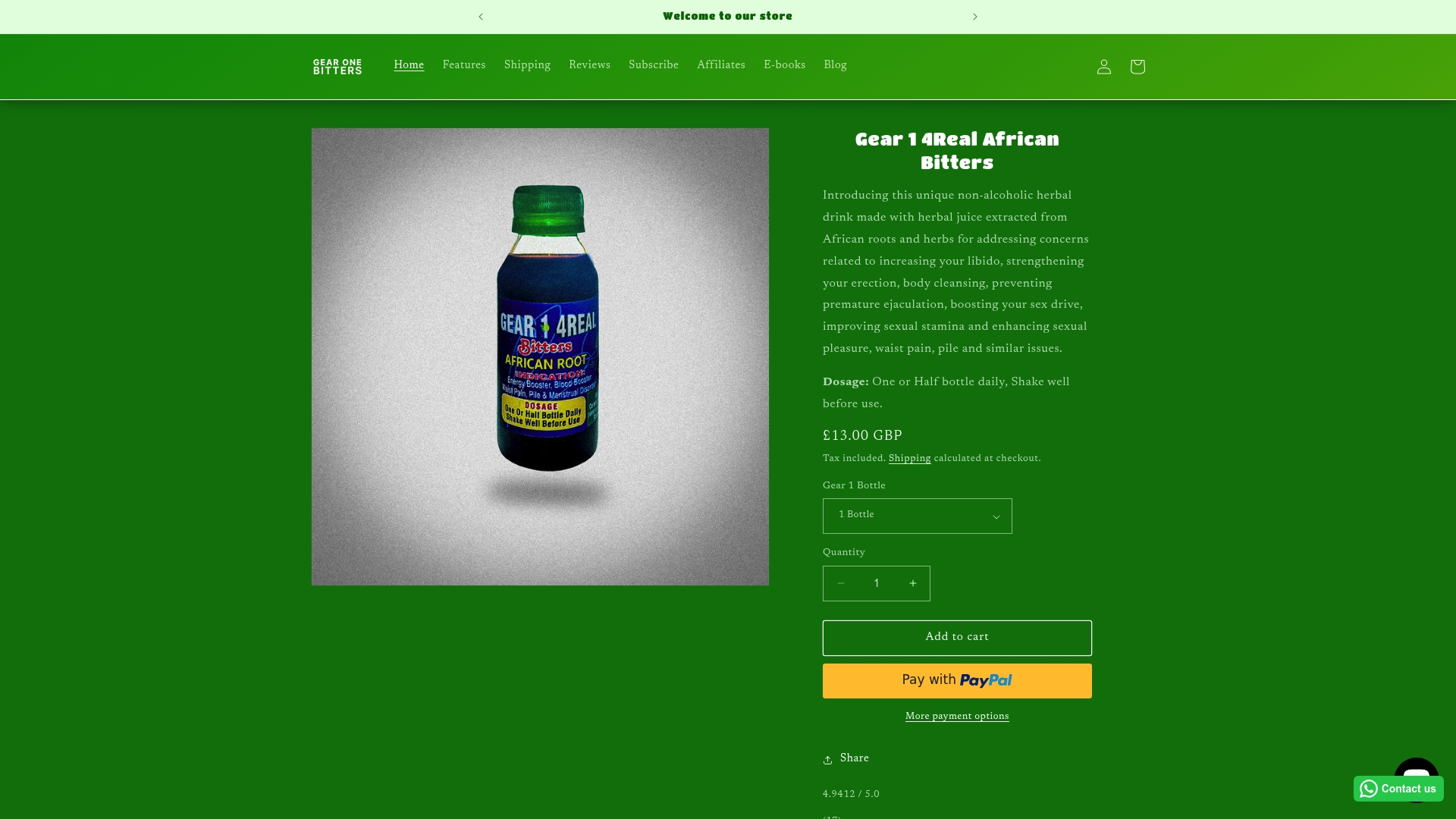
Gear1 works as a complement to the broader approach described throughout this article: open communication, medical evaluation, and lifestyle support. It is not a replacement for professional care, but it offers a natural, plant-based option for men who want to support their vitality from within. If you are looking to take a practical step towards better male sexual wellness, explore Gear1 and see how it fits alongside your wider health plan.
FAQ
How does male sexual dysfunction affect a partner’s mental health?
Partners of men with ED commonly experience lowered self-esteem, feelings of rejection, and emotional withdrawal. These responses are well documented and improve significantly when the issue is discussed openly as a shared health concern.
Is erectile dysfunction a sign of serious illness?
ED is a recognised early indicator of cardiovascular disease, stroke, and dementia. Men with ED carry a 59% higher risk of coronary heart disease, which makes full medical evaluation a clinical priority rather than an optional step.
Can anxiety alone cause erectile dysfunction?
Yes. Performance anxiety creates a feedback loop where fear of failure inhibits erection, which then reinforces anxiety and worsens subsequent encounters. Psychological intervention alongside physical assessment is the most effective response.
What is the best way for a couple to talk about sexual dysfunction?
Choose a calm, neutral moment away from the bedroom and frame the conversation around shared wellbeing rather than blame. Approaching ED as a shared health issue reduces anxiety and improves outcomes for both partners.
Does treatment for ED require medication?
Successful management of male sexual health typically involves a combination of pharmacological, psychological, and lifestyle interventions. Medication alone, without addressing psychological and systemic factors, produces limited long-term results.
Recommended
- What is male sexual health: a complete 2026 guide – Gear 1 4Real African Bitters
- Why men lose sexual interest: causes and solutions – Gear 1 4Real African Bitters
- What causes sexual fatigue in men: 2026 guide – Gear 1 4Real African Bitters
- Why diet affects sex drive: the full picture – Gear 1 4Real African Bitters
About Gear 1 4Real African Bitters — a non-alcoholic herbal bitters made from African root and herb extracts, blended to a traditional recipe rooted in generations of use. See the product and full ingredients list.
Food supplement. Not intended to diagnose, treat, cure or prevent any disease.