
Male arousal is defined as a neurovascular event in which brain signals trigger nerve activity that floods the penis with blood, producing an erection. The clinical term for this process is penile tumescence, and understanding it matters far beyond the bedroom. During arousal, blood flow increases by 20–40 times the resting level. That figure alone tells you this is a serious cardiovascular demand, not a simple reflex. Nitric oxide is the key chemical messenger that makes it possible, relaxing smooth muscle tissue so blood can rush in. Knowing how male arousal works gives you real power to protect and improve your sexual health.
What physiological processes cause male arousal?
The male sexual arousal process begins in the brain, not the genitals. Regions including the hypothalamus receive sensory, visual, or psychological stimuli and fire signals downward through the spinal cord. Neurotransmitters, particularly dopamine and acetylcholine, carry those signals forward.
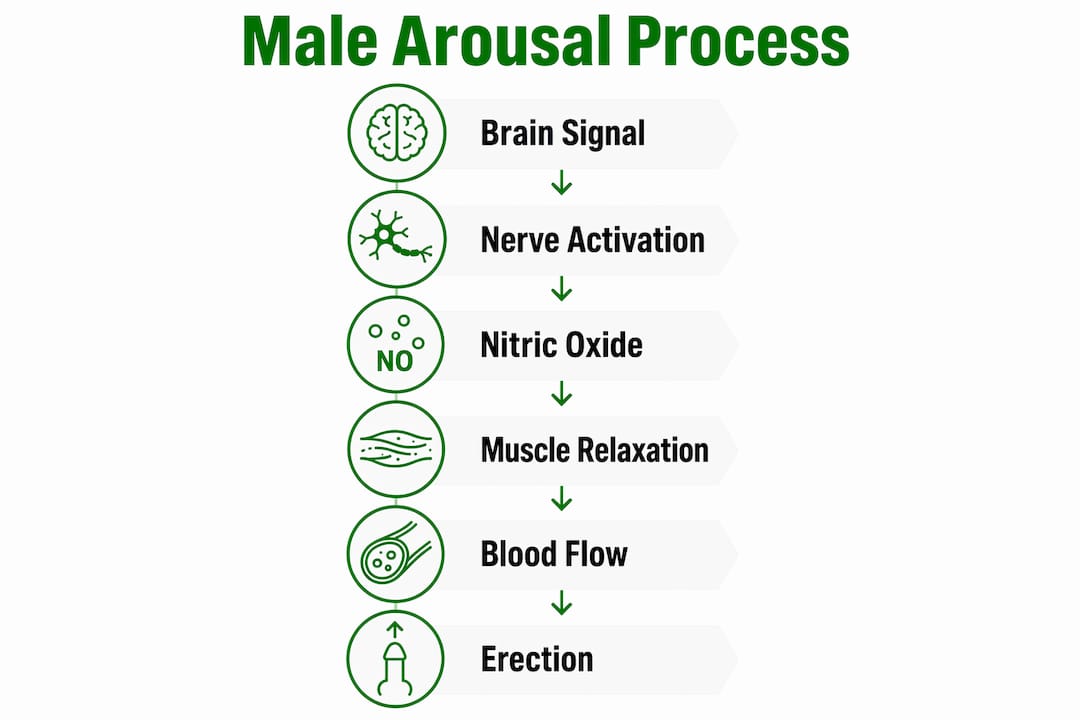
From the spinal cord, parasympathetic nerve fibres called cavernous nerves reach the penis. These nerves release nitric oxide directly into the erectile tissue. Nitric oxide then activates an enzyme that produces cyclic GMP, known as cGMP. The cGMP molecule tells smooth muscle cells in the penile arteries and sinusoidal spaces to relax.
Once those muscles relax, the arteries widen and blood pours into two sponge-like chambers called the corpora cavernosa. As these chambers fill, they press against the veins that normally drain blood away. This venous occlusion traps blood inside, and intracavernosal pressure reaches approximately 100 mmHg during full rigidity. That pressure is what creates a firm erection.
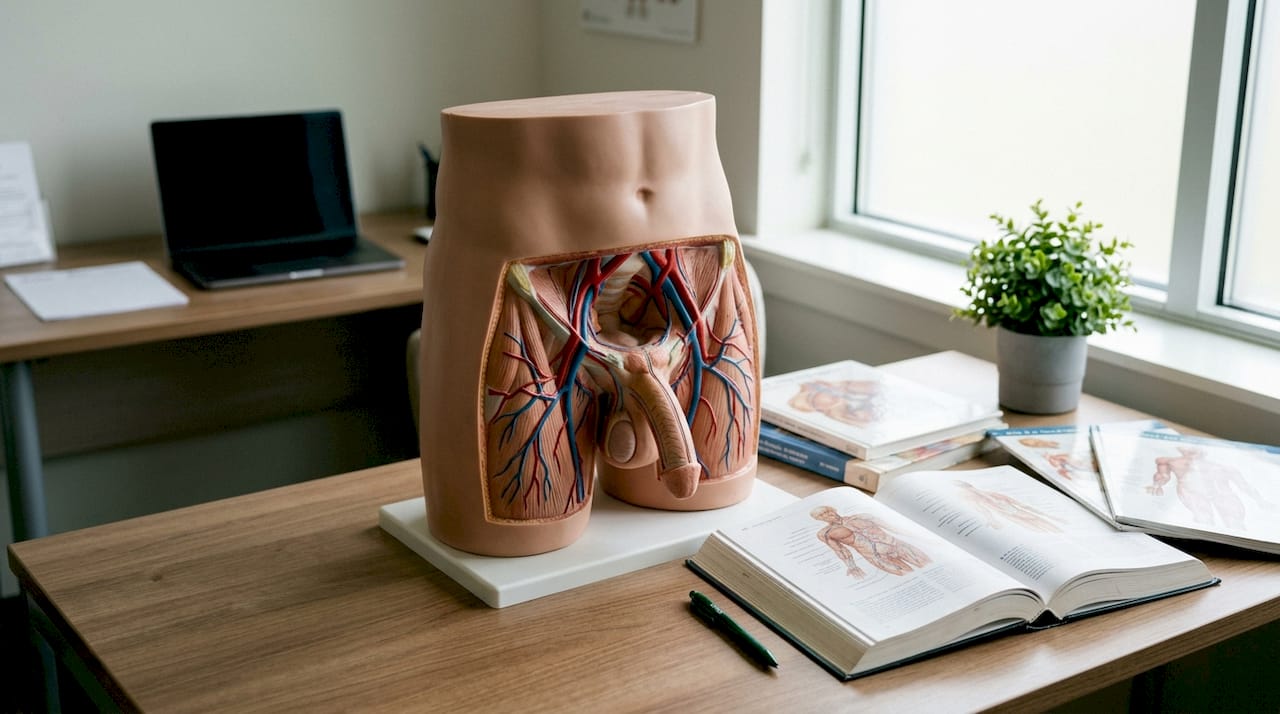
The reversal process, called detumescence, happens when an enzyme called PDE5 breaks down cGMP. Smooth muscle contracts again, veins reopen, and blood drains out. This is precisely why PDE5 inhibitor medications work as they do: they slow the breakdown of cGMP to prolong erection. Crucially, those medications require initial nitric oxide signalling to function at all. They are not an on-switch.
Pro Tip: If you want to support your body’s nitric oxide production naturally, eat foods rich in dietary nitrates such as beetroot, spinach, and rocket. These convert to nitric oxide in the body and support vascular health directly.
The six stages in sequence are:
- Brain receives stimulus and activates the hypothalamus.
- Parasympathetic nerves fire signals to the cavernous nerves.
- Nitric oxide is released into erectile tissue.
- cGMP production causes smooth muscle relaxation.
- Blood floods the corpora cavernosa; venous occlusion traps it.
- PDE5 enzyme eventually breaks down cGMP, reversing the erection.
How do libido and arousal differ in men?
Libido and arousal are not the same thing, and confusing them causes real distress for many men. Libido is a slow, neuro-hormonal modulation driven by testosterone and dopamine. Arousal is a fast vascular reflex that can occur independently of desire.
This distinction explains several experiences that men often find confusing:
- A man can have a strong erection with no emotional desire present. Morning erections are a classic example, driven by REM sleep cycles rather than sexual thought.
- A man can feel strong desire yet struggle to achieve or maintain an erection. This happens when vascular or nervous system function is impaired.
- Stress, anxiety, or distraction can suppress the vascular reflex even when libido is intact.
- Low testosterone reduces desire but does not automatically eliminate the physical capacity for erection.
Understanding testosterone’s role in sex drive helps clarify why libido can fade gradually while erection function remains, or vice versa.
Libido tells you that you want sex. Arousal is your body physically preparing for it. The two systems share chemistry but operate on different timescales and can fail independently. Recognising this distinction is the first step toward addressing either concern accurately.
What factors affect male arousal and erection quality?
Stress activates the sympathetic nervous system, which prioritises survival functions and directly restricts the vasodilation needed for erection. This is not a psychological weakness. It is straightforward physiology: adrenaline causes blood vessels to constrict, the opposite of what arousal requires.
Several factors either support or undermine the arousal response:
- Breathing pattern. Deep nasal breathing improves oxygen delivery and reduces vascular tension. Shallow, rapid breathing does the opposite, limiting blood flow into erectile tissue.
- Mental presence. Distraction and performance anxiety trigger sympathetic activation. Focusing on physical sensation rather than outcome keeps the parasympathetic system engaged.
- Chronic health conditions. Cardiovascular disease, type 2 diabetes, and obesity all impair vascular function. Since erection depends on blood flow, anything that damages vessels reduces erection quality.
- Sleep quality. Testosterone production peaks during deep sleep. Poor sleep reduces both libido and the hormonal environment that supports arousal.
- Pornography conditioning. Frequent use of high-stimulation content can raise the arousal threshold, making real-world stimuli feel less effective over time.
Pro Tip: Before sexual activity, spend two minutes breathing slowly through your nose, extending the exhalation. This activates the parasympathetic nervous system and primes your vascular system for better blood flow.
Lifestyle choices compound over time. A man who sleeps well, manages stress, and maintains cardiovascular fitness creates the internal conditions where arousal functions reliably. The impact of lifestyle on blood flow is not a minor footnote. It is central to erection sustainability.
How can diet and natural remedies support male arousal?
Diet directly influences the vascular and hormonal environment that male arousal depends on. Foods that support nitric oxide production, testosterone levels, and blood vessel integrity all contribute to better sexual function.
| Nutrient or food | Primary benefit for arousal |
|---|---|
| Dietary nitrates (beetroot, spinach) | Increase nitric oxide production, supporting vasodilation |
| Zinc (oysters, pumpkin seeds) | Supports testosterone production and sperm health |
| L-arginine (nuts, legumes) | Amino acid precursor to nitric oxide synthesis |
| Flavonoids (dark berries, dark chocolate) | Improve endothelial function and blood vessel flexibility |
| Adaptogenic herbs (ginseng, ashwagandha) | Reduce cortisol and support hormonal balance |
Zinc’s role in male sexuality is particularly well established. Zinc deficiency correlates with reduced testosterone, which in turn reduces libido and the hormonal backdrop that supports arousal.
Natural aphrodisiac herbs have been used across African, Asian, and South American traditions for centuries. Modern research increasingly validates several of them. Herbal roots for male libido such as ginseng, maca root, and tribulus terrestris show measurable effects on desire and stamina in clinical settings.
Dietary choices work best when they complement the physiological mechanisms already in place. No single food replaces good sleep, stress management, or cardiovascular fitness. But a diet rich in nitrate-dense vegetables, natural aphrodisiac foods, and zinc-containing proteins creates a strong foundation. The full picture of diet and sex drive shows that what you eat shapes both desire and physical readiness.
Key takeaways
Male arousal is a neurovascular process driven by nitric oxide signalling, parasympathetic nerve activity, and vascular health, all of which respond directly to lifestyle, stress, and diet.
| Point | Details |
|---|---|
| Arousal is neurovascular | Brain signals trigger nitric oxide release, causing blood flow to increase 20–40 times the resting level. |
| Libido and arousal are separate | Desire is hormonal and slow; erection is a fast vascular reflex that can occur without desire. |
| Stress blocks arousal | Sympathetic nervous system activation constricts blood vessels, directly opposing the erection mechanism. |
| Breathing matters | Slow nasal breathing activates the parasympathetic system and supports the vasodilation needed for erection. |
| Diet supports the system | Nitrate-rich foods, zinc, and adaptogenic herbs reinforce the vascular and hormonal conditions arousal depends on. |
What most men misunderstand about arousal
I have spent years reading the clinical literature on male sexual physiology, and one pattern stands out clearly. Most men frame arousal problems as psychological failures when the underlying cause is almost always physiological first.
The neurovascular nature of erection means that anxiety, stress, and distraction are not just “in your head.” They activate real hormonal and vascular changes that physically prevent arousal from completing. Understanding this is not just reassuring. It reframes the entire conversation about sexual confidence.
The misconception around erectile dysfunction medications troubles me most. Many men believe these drugs create arousal. They do not. PDE5 inhibitors require nitric oxide signalling to be present before they can do anything. A man who is anxious, distracted, or sympathetically activated will find the medication ineffective, not because of the drug, but because the arousal cascade never started.
The practical implication is clear: address the nervous system state first. Breathing, presence, and genuine relaxation are not soft suggestions. They are physiological prerequisites. Men who understand this stop fighting their own biology and start working with it. That shift alone produces better outcomes than any supplement or medication taken without this foundation.
— Ayomide
Gear1 and natural support for male sexual health
Men who understand their arousal physiology often want to know what natural options can reinforce it. Gear1 is a non-alcoholic herbal drink made from African roots and herbs, formulated to support libido, erection strength, sexual stamina, and premature ejaculation concerns.
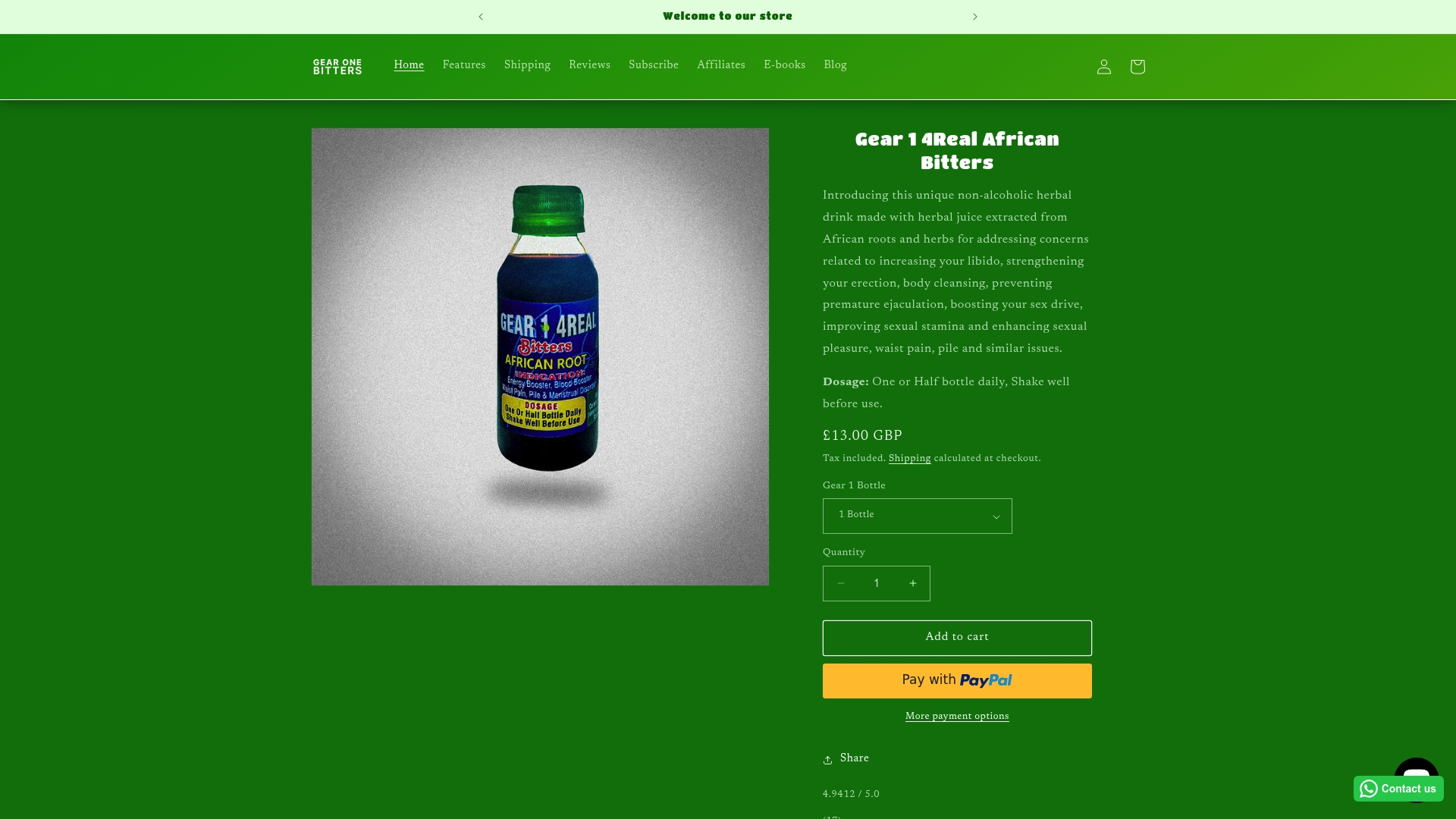
Gear1 works alongside the physiological principles covered in this article. Its herbal ingredients target the hormonal and vascular systems that arousal depends on, offering a natural complement to good sleep, stress management, and a nutrient-rich diet. If you are looking for a plant-based option to support your sexual health from the inside out, explore Gear1 here and see how African herbal tradition meets modern wellness needs.
FAQ
What is the main chemical that causes an erection?
Nitric oxide is the primary chemical messenger. It relaxes smooth muscle in the penile arteries, allowing blood to flood the corpora cavernosa and produce an erection.
Can a man get an erection without feeling aroused?
Yes. Erection can occur without desire because arousal is a vascular reflex and libido is a separate hormonal process. Morning erections are the most common example.
How long does the refractory period last after ejaculation?
The refractory period lasts approximately 20 minutes in young men, though this duration increases with age.
Does stress permanently damage arousal function?
Chronic stress impairs vascular health over time, but acute stress primarily causes temporary sympathetic activation. Addressing stress through breathing, sleep, and lifestyle changes restores normal arousal function in most men.
What foods best support male arousal physiology?
Beetroot, spinach, oysters, pumpkin seeds, and dark berries all support nitric oxide production, testosterone levels, or blood vessel health, each of which underpins the male sexual arousal process.
Recommended
- The role of dopamine in sexual desire explained – Gear 1 4Real African Bitters
- The role of testosterone in sex drive: men’s guide – Gear 1 4Real African Bitters
- What is male libido? A complete guide for men – Gear 1 4Real African Bitters
- Role of exercise in sex drive: what you need to know – Gear 1 4Real African Bitters
About Gear 1 4Real African Bitters — a non-alcoholic herbal bitters made from African root and herb extracts, blended to a traditional recipe rooted in generations of use. See the product and full ingredients list.
Food supplement. Not intended to diagnose, treat, cure or prevent any disease.