
Root herbs for erections are plant-derived supplements, extracted primarily from roots, that support erectile function by improving blood flow, balancing hormones, and reducing stress. The most clinically studied examples include Ashwagandha (Withania somnifera), Panax ginseng, and Damiana (Turnera diffusa). These are not fringe remedies. They sit at the intersection of centuries of traditional use and a growing body of peer-reviewed research. If you are experiencing erectile difficulties and want to understand what natural options actually work, this guide gives you the evidence without the hype.
Which root herbs are most effective for erections?
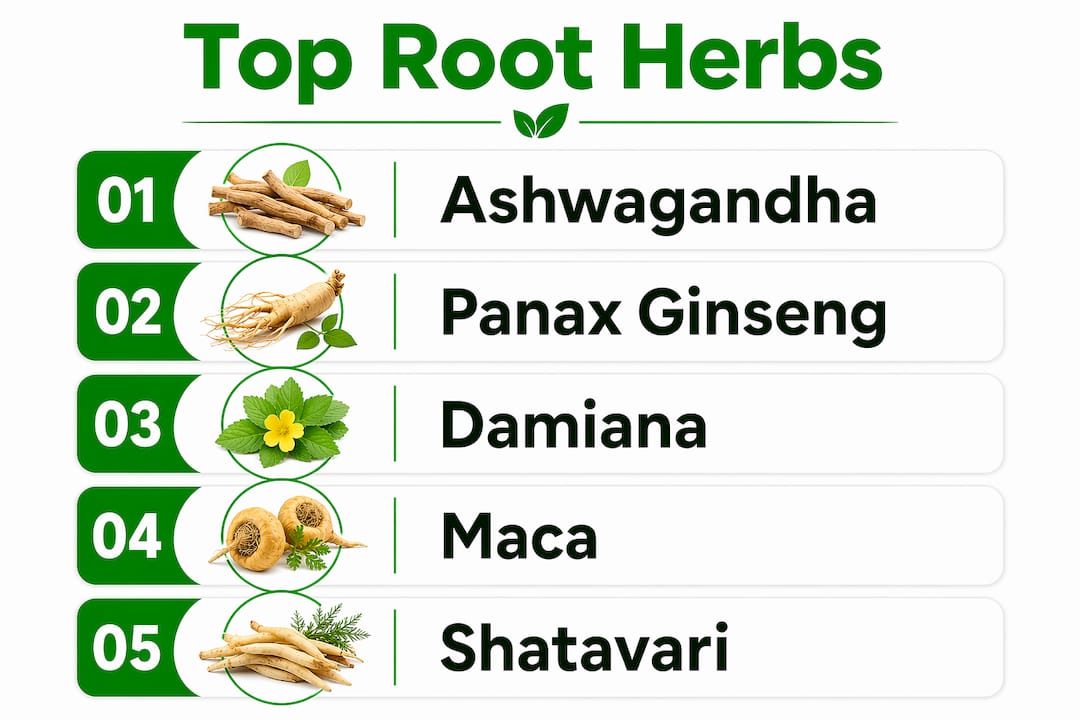
The term “herbal aphrodisiacs” covers a wide range of plants, but only a handful of root herbs carry genuine clinical weight for erectile and sexual health. Ashwagandha, Panax ginseng, Damiana, Maca, and Shatavari lead the field. Each works through a different mechanism, which is why understanding them individually matters.
Ashwagandha
Ashwagandha is one of the most studied root supplements for men in modern research. A standardised root extract taken over 8 weeks produced a 36% increase in ejaculate volume, a 38% improvement in total sperm count, and an 87% increase in sperm motility. Those figures come from a controlled clinical trial, not a marketing claim. Beyond reproductive markers, Ashwagandha is an adaptogenic herb, meaning it helps the body manage cortisol, the stress hormone that directly suppresses testosterone production.
Panax ginseng
Panax ginseng supports erections through a different pathway. Its active compounds, called ginsenosides, promote nitric oxide synthesis in the blood vessel walls of the penis. Nitric oxide causes smooth muscle relaxation, which allows blood to fill the erectile tissue. Panax ginseng is consistently ranked among the herbs with the most encouraging clinical signals for sexual health. It also carries mild stimulant properties that support energy and mental focus during sexual activity.
Damiana (Turnera diffusa)
Damiana is less well known but scientifically compelling. Research shows that a Damiana extract contains 15.9 mg/g total flavonoids and 49 identified compounds. Critically, it inhibits PDE5, the same enzyme targeted by pharmaceutical erectile dysfunction drugs, and also inhibits aromatase, an enzyme that converts testosterone into oestrogen. Both actions support stronger erections and better hormonal balance. No cytotoxic effects were observed in laboratory testing, which is a positive safety signal.
Maca and Shatavari
Maca (Lepidium meyenii) is a Peruvian root traditionally used to increase stamina and libido. It does not directly raise testosterone but appears to support sexual desire through independent pathways. Shatavari (Asparagus racemosus) is an Ayurvedic root with preliminary evidence suggesting it supports hormonal and emotional regulation. Adaptogenic root herbs like Shatavari may provide additive benefits when combined with Ashwagandha, though more research is needed to confirm synergistic effects.
| Root herb | Key benefit | Active compounds | Primary mechanism |
|---|---|---|---|
| Ashwagandha | Sperm quality, stress reduction | Withanolides | Cortisol reduction, testosterone support |
| Panax ginseng | Blood flow, energy | Ginsenosides | Nitric oxide synthesis |
| Damiana | Erectile support, hormone balance | Flavonoids (15.9 mg/g) | PDE5 inhibition, aromatase inhibition |
| Maca | Libido, stamina | Glucosinolates | Independent desire pathways |
| Shatavari | Hormonal regulation | Saponins | Adaptogenic, antioxidant |
Pro Tip: Choose a standardised extract rather than a raw powder. Standardisation means the product guarantees a consistent level of the active compound, such as withanolides in Ashwagandha, so you know exactly what you are getting.
How do root herbs biologically support erections?
Erectile function depends on three interconnected systems: vascular, hormonal, and psychological. Effective herbs for erections work across all three, which is why they outperform single-mechanism approaches.
Vascular pathway. An erection requires blood to flow rapidly into the penile tissue and stay there. Nitric oxide is the chemical signal that makes this happen. Panax ginseng and Damiana both stimulate nitric oxide production, relaxing the smooth muscle in blood vessels and improving blood flow directly to the erectile tissue. This is the same mechanism pharmaceutical PDE5 inhibitors use, though herbs act more gently and with a slower onset.
Hormonal pathway. Testosterone is the primary driver of sexual desire and erectile readiness. Chronic stress raises cortisol, which suppresses testosterone production. Ashwagandha addresses this directly by reducing cortisol levels. Damiana adds another layer by inhibiting aromatase, which prevents excess testosterone from converting into oestrogen. Together, these actions help maintain the hormonal balance that supports a healthy sex drive.
Psychological pathway. Psychological stress and performance anxiety are common drivers of sexual dysfunction. Ashwagandha’s anxiolytic effects reduce the mental load that often makes physical arousal difficult. This is not a secondary benefit. For many men, the psychological barrier is the primary one, and an adaptogenic herb that calms the nervous system can produce a noticeable ripple effect of confidence.
Key biological actions of root herbs for erectile health:
- Nitric oxide production: supports vascular relaxation and blood flow
- Cortisol reduction: protects testosterone from stress-related suppression
- Aromatase inhibition: maintains healthy testosterone-to-oestrogen ratio
- Antioxidant activity: reduces oxidative stress in reproductive tissue
- Anxiolytic effects: lowers performance anxiety and mental tension
Pro Tip: Consistency matters more than dose. Most clinical trials showing positive results ran for 8–12 weeks of daily use. Do not judge an herbal supplement after two weeks.
What are the recommended usage practices and precautions?
Using root herb supplements safely requires attention to dosage, product quality, and your personal health context. The research is clear: choosing reputable brands is not optional. The herbal supplement market includes products with undeclared pharmaceuticals and contaminants, which can cause serious harm.
-
Follow evidence-based dosages. Clinical trials on Ashwagandha typically use 300–600 mg of standardised root extract daily. Panax ginseng studies commonly use 600–1,000 mg daily. Do not assume that more is better. Higher doses can cause side effects including digestive upset and, in rare cases, liver stress.
-
Source from transparent manufacturers. Look for products that display third-party testing certificates, list standardised extract percentages, and clearly name their botanical sources. Avoid products that use vague terms like “proprietary blend” without disclosing amounts.
-
Check for medication interactions. Ashwagandha can interact with thyroid medications and immunosuppressants. Panax ginseng may interact with blood thinners and diabetes medications. Always consult a GP or pharmacist before starting any herbal supplement if you take prescription medicines.
-
Address lifestyle factors first. Smoking and excessive alcohol directly damage blood vessels and suppress testosterone. Lifestyle factors like smoking and alcohol affect testosterone and erectile function significantly. No herbal supplement will fully compensate for these.
-
Monitor for adverse effects. Stop use and seek medical advice if you experience persistent headaches, digestive problems, skin reactions, or changes in heart rate.
Clinical evidence should guide your herbal supplement choice. Traditional use alone does not confirm efficacy or safety. Rely on herbs with peer-reviewed evidence of functional improvement.
How do root herbs work best alongside lifestyle changes?
Root herbs deliver the strongest results when they sit within a wider sexual health strategy. Supplements work best as part of a foundation that includes sleep, stress management, exercise, and honest communication with your partner. Treating the root causes of erectile difficulties is consistently more effective than relying on supplementation alone.
Exercise and cardiovascular health. Regular aerobic exercise improves endothelial function, the ability of blood vessels to dilate on demand. This directly supports the vascular mechanism that root herbs also target. Combining Panax ginseng with a consistent exercise routine creates compounding benefits for blood flow and stamina.
Sleep and recovery. Testosterone production peaks during deep sleep. Men who consistently sleep fewer than six hours show measurably lower testosterone levels. Ashwagandha supports sleep quality through its cortisol-lowering effects, making it a particularly well-suited herb for men whose erectile difficulties are stress-related.
Diet and blood flow. Foods rich in nitrates, such as leafy greens and beetroot, support the same nitric oxide pathway that Panax ginseng activates. A diet high in processed foods and saturated fat impairs vascular function and reduces the effectiveness of any herbal supplement. You can boost libido with herbs more effectively when your diet supports blood flow.
| Factor | Effect on erections | How root herbs complement it |
|---|---|---|
| Regular exercise | Improves vascular function | Panax ginseng amplifies nitric oxide benefit |
| Quality sleep | Raises testosterone production | Ashwagandha reduces cortisol for deeper sleep |
| Balanced diet | Supports blood flow | Damiana and ginseng reinforce nitric oxide pathways |
| Stress management | Lowers cortisol | Adaptogenic herbs like Ashwagandha directly reduce cortisol |
| Avoiding smoking | Protects blood vessels | Antioxidant herbs reduce oxidative damage |
- Aim for at least 150 minutes of moderate aerobic exercise per week
- Prioritise 7–9 hours of sleep consistently
- Reduce alcohol to within recommended limits
- Eat a diet rich in vegetables, lean protein, and healthy fats
- Practise stress reduction through mindfulness, breathing exercises, or regular physical activity
Key takeaways
Root herbs for erections work most effectively when combined with consistent lifestyle habits, quality-assured supplements, and realistic expectations about timescales.
| Point | Details |
|---|---|
| Top herbs with clinical evidence | Ashwagandha, Panax ginseng, and Damiana have the strongest peer-reviewed support for erectile and sexual health. |
| Multiple mechanisms at work | Root herbs improve erections through vascular, hormonal, and psychological pathways simultaneously. |
| Quality sourcing is non-negotiable | Choose standardised extracts with third-party testing to avoid adulterated or ineffective products. |
| Lifestyle is the foundation | Exercise, sleep, diet, and stress management amplify the effects of any herbal supplement. |
| Consistency over speed | Clinical trials show meaningful results after 8–12 weeks of daily use, not days. |
Ayomide’s view: what the research does not tell you
I have spent years reading the clinical literature on herbal sexual health, and the honest truth is this: the research is promising but incomplete. Ashwagandha’s sperm quality data is genuinely impressive. Damiana’s PDE5 inhibition mechanism is scientifically credible. But most trials are short, use small sample sizes, and rarely follow men beyond three months. That does not mean the herbs do not work. It means you should go in with clear eyes.
What I have observed consistently is that men who get the best results from root herb supplements are not the ones who take the highest dose. They are the ones who address sleep, manage stress, and stop smoking first. The herbs then have something to work with. When the vascular and hormonal foundation is already compromised by lifestyle, no supplement closes that gap alone.
The supplement market is also genuinely problematic. I have seen products labelled as “herbal” that contained undisclosed pharmaceutical compounds. This is not rare. It is a known industry issue. Buy from brands that publish their third-party testing results and list standardised extract percentages. If a product cannot tell you exactly what is in it, do not take it.
One more thing: talk to your partner. Erectile difficulties carry a psychological weight that compounds the physical problem. Open communication reduces performance anxiety, which is itself a major driver of erectile dysfunction. No herb addresses that. You have to.
— Ayomide
Try Gear1 for a natural approach to sexual wellness
Gear1 is a non-alcoholic herbal drink made from African roots and herbs, formulated specifically to support erections, libido, stamina, and sexual pleasure. It addresses the same mechanisms covered in this article: blood flow, hormonal balance, and stress reduction, through a blend of botanicals with traditional roots in African herbal medicine.
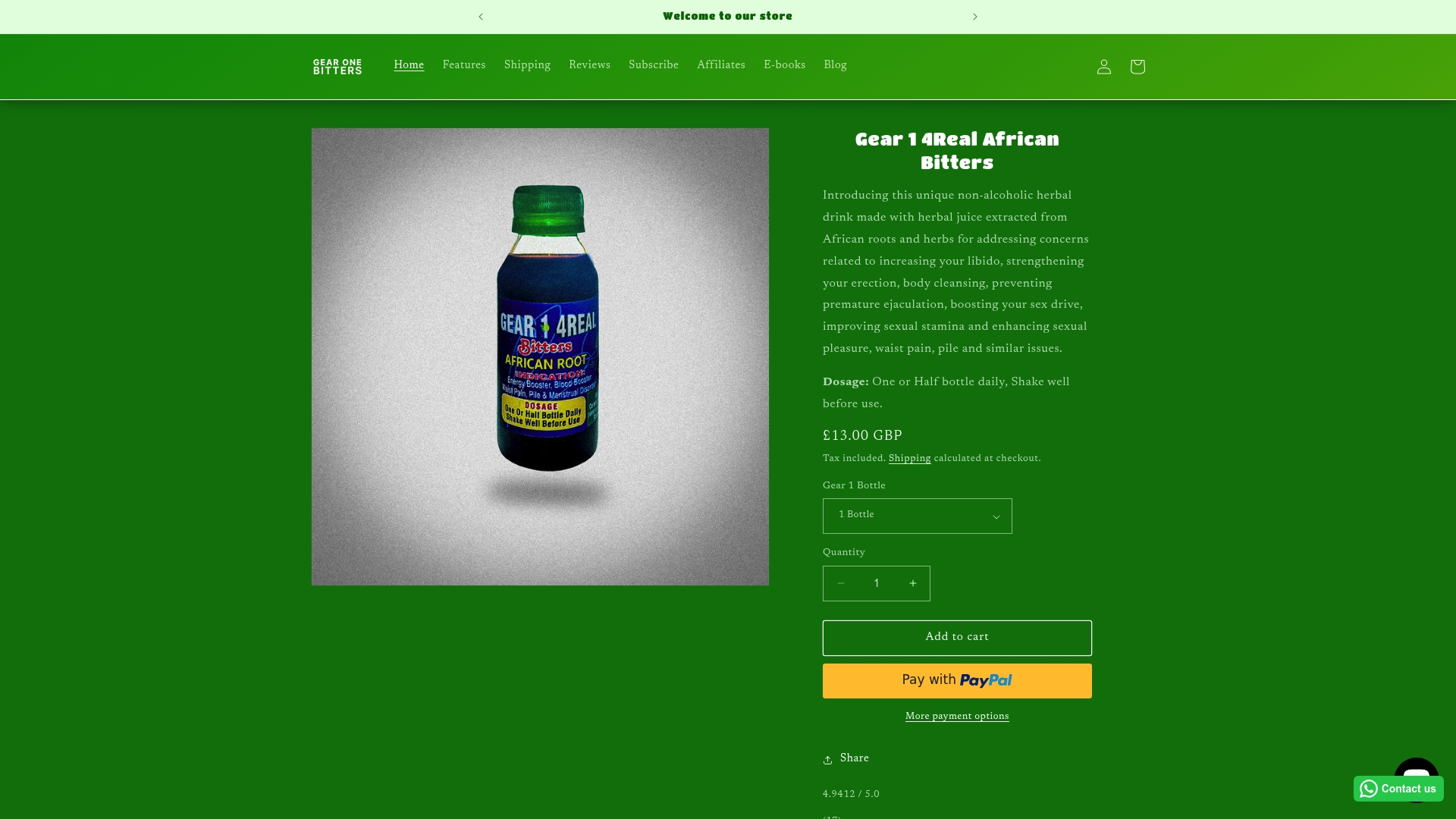
If you want to understand exactly what goes into a quality herbal formulation, the Gear1 ingredient breakdown gives you full transparency on every botanical used. Gear1 is designed as a complement to a healthy lifestyle, not a replacement for medical advice. Consult your GP before use if you take prescription medication. Go ahead and explore what Gear1 can do for your sexual health.
FAQ
What are the best root herbs for erections?
Ashwagandha, Panax ginseng, and Damiana are the root herbs with the strongest clinical evidence for supporting erections. They work through nitric oxide production, hormonal balance, and stress reduction.
How long do root herbs take to improve erections?
Clinical trials typically show meaningful improvements after 8–12 weeks of consistent daily use. Results in under two weeks are unlikely and should be treated with scepticism.
Can root herbs replace erectile dysfunction medication?
Root herbs support erectile function but do not replace medical treatment for diagnosed erectile dysfunction. Always consult a GP before stopping or substituting any prescribed medication.
Are herbal supplements for erections safe?
Quality-assured, standardised herbal supplements are generally well tolerated. The main risk comes from adulterated products containing undeclared pharmaceuticals. Choose brands with third-party testing certificates.
Do lifestyle changes improve the effectiveness of root herbs?
Yes. Supplements work best alongside regular exercise, quality sleep, a balanced diet, and stress management. These lifestyle factors directly support the same vascular and hormonal pathways that root herbs target.
Recommended
- How herbal remedies address ED: 2026 guide – Gear 1 4Real African Bitters
- How herbal libido boosters work: a 2026 guide – Gear 1 4Real African Bitters
- Herbal roots for male libido: top 6 proven options – Gear 1 4Real African Bitters
- How African herbs boost libido: a 2026 guide – Gear 1 4Real African Bitters
About Gear 1 4Real African Bitters — a non-alcoholic herbal bitters made from African root and herb extracts, blended to a traditional recipe rooted in generations of use. See the product and full ingredients list.
Food supplement. Not intended to diagnose, treat, cure or prevent any disease.