
Sexual desire, clinically referred to as libido, is defined as a subjective motivational state shaped by biological, psychological, and relational cues. The role of mood in sexual desire is not incidental. Emotional states directly regulate the hormonal and neurological systems that switch desire on or off. The hypothalamic-pituitary-adrenal (HPA) axis, cortisol, and endorphins are the key biological players in this process. Clinical research confirms that mood functions as a gatekeeper for libido, meaning your emotional state on any given day can either open the door to intimacy or firmly close it. Understanding this connection gives you real power over your sexual health and your relationships.
How do emotional states biologically alter sexual desire?
Positive mood triggers endorphin release, and those endorphins directly enhance feelings of pleasure and closeness. This is why a good day, a warm conversation, or a moment of genuine laughter can make intimacy feel natural and appealing. The biology is straightforward: positive moods enhance libido through neurotransmitter activity, while persistent negative moods act as physiological brakes on the nervous system.
Chronic stress tells a different story. When stress becomes ongoing, the body activates the HPA axis repeatedly, flooding the system with cortisol. Chronic HPA axis activation inhibits the sexual response pathways, reducing libido measurably. High cortisol signals danger to the body, and the body responds by deprioritising reproduction and intimacy in favour of survival.
Depression and anxiety compound this further. Negative emotional states divert cognitive resources away from erotic thought and sexual motivation. The mind becomes occupied with threat, worry, or low energy, leaving little room for desire. This is not a character flaw. It is a predictable neurological response.

The relationship between mood and desire is also cyclical. When desire leads to satisfying intimacy, mood improves. When mood improves, desire becomes more accessible. Breaking into that cycle positively, even through small mood-lifting actions, can shift the entire pattern.
| Emotional state | Effect on libido | Key biological mechanism |
|---|---|---|
| Positive, relaxed mood | Increases sexual interest | Endorphin and dopamine release |
| Chronic stress | Suppresses desire | Elevated cortisol via HPA axis |
| Depression | Reduces motivation for intimacy | Cognitive resource diversion |
| Anxiety | Creates confusion between arousal and desire | Nervous system hyperactivation |
Pro Tip: Physical activity is one of the fastest ways to shift mood chemistry. Even a 20-minute walk raises endorphin levels and can restore a sense of calm that makes intimacy feel possible again.
What psychological theories explain mood-dependent sexual desire?
Sexual desire is not one-size-fits-all. Psychologists distinguish between two primary types: spontaneous desire and responsive desire. Spontaneous desire appears without obvious prompting, often described as desire that simply arises. Responsive desire, by contrast, emerges after intimacy has begun under conditions of safety and connection. Most people experience responsive desire more often than they realise, and mood is the primary condition that determines whether that response activates.
Emotional safety is the foundation that responsive desire requires. Feeling valued without fear of judgement or rejection is not a luxury in a relationship. It is a neurological requirement. The nervous system must register security before it allows the body to enter a receptive state for intimacy. Without that safety, the threat response takes over and desire disappears.
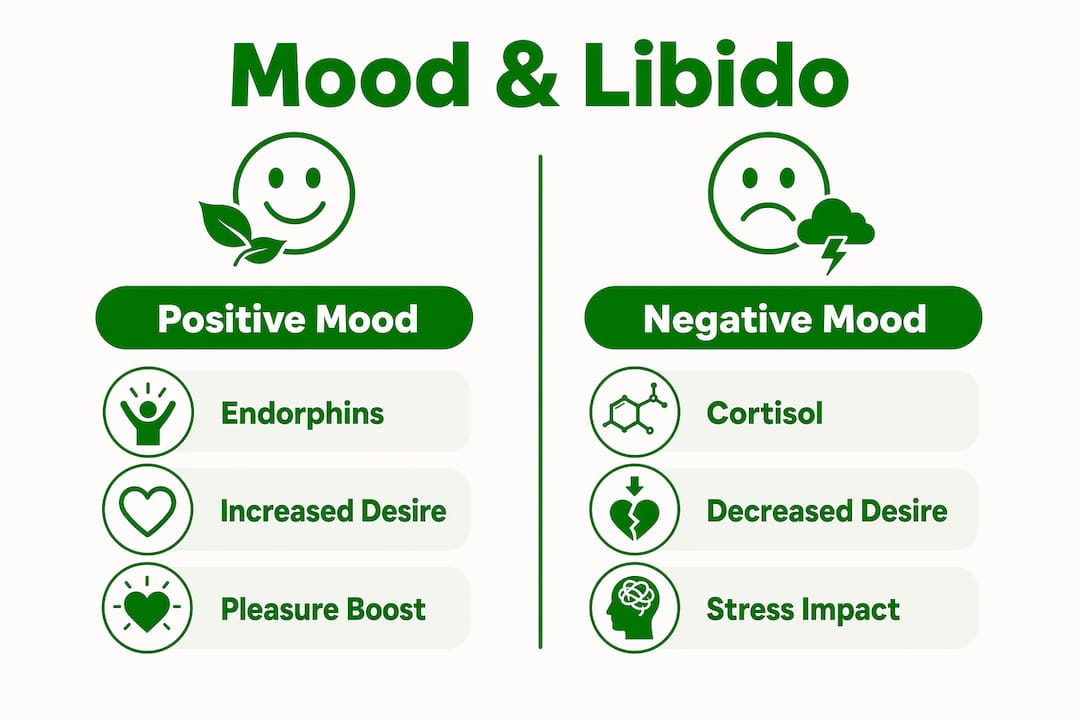
Social psychology research adds another layer. Positive emotional events increase the likelihood of rating others as attractive and foster sexual interest more than neutral or low moods do. Mood literally changes how attractive you perceive your partner to be. This is mood-dependent attraction, and it is a well-documented human trait, not a romantic myth.
One of the most common misconceptions in this area is confusing anxiety-driven arousal with genuine desire. Anxiety and arousal can feel physically similar. Heightened nervous system activation can produce compelling intensity, but that intensity lacks the safety and grounding that authentic desire carries. Mistaking one for the other is common in unstable relationships and can lead to patterns that feel exciting but are ultimately draining.
“Desire that follows safety is a recognised sexual response type requiring particular conditions to activate. Responsive desire is not a sign of low libido. It is a sign that the conditions for desire have not yet been met.” Sagebrush Counselling
Understanding which type of desire you experience most naturally removes a great deal of unnecessary anxiety. You are not broken if desire does not appear spontaneously. You may simply need the right emotional conditions first.
How do mood swings affect ongoing sexual interest and intimacy?
Mood instability, whether from anxiety, depression, or conditions such as ADHD, creates an unpredictable internal environment that makes sustained sexual interest difficult to maintain. This is not about willpower. It is about the nervous system’s capacity to settle into a state where intimacy feels safe and appealing.
Low mood reduces anticipatory momentum, a systemic energy drop that affects engagement in sexual activity more than lack of attraction does. This is a crucial distinction. You may still find your partner attractive but feel no pull toward acting on it. That gap between attraction and motivation is mood at work.
Unresolved conflict and relational tension are particularly damaging to desire over time. When emotional safety erodes through repeated arguments, criticism, or emotional withdrawal, the nervous system registers the relationship as a source of threat rather than comfort. Desire cannot coexist with that threat response. Emotional connection motivates men in relationships more strongly than is widely acknowledged, and when that connection fractures, desire follows.
Positive emotional events have the opposite effect. A shared experience, a moment of genuine appreciation, or a resolved disagreement can restore the emotional safety that desire needs. These are not trivial gestures. They are direct inputs into the biological system that regulates libido.
Medication is also worth acknowledging here. Several antidepressants and anti-anxiety medications affect neurotransmitter systems in ways that reduce libido as a side effect. This does not mean avoiding treatment. It means having an honest conversation with a healthcare professional about options that support both mental health and sexual wellbeing.
- Identify your mood triggers. Notice what consistently lifts or lowers your mood and track how those shifts affect your interest in intimacy.
- Address conflict before it accumulates. Unresolved tension is one of the most reliable suppressors of desire in long-term relationships.
- Prioritise sleep. Poor sleep raises cortisol and reduces testosterone, creating a double impact on libido.
- Seek professional support for persistent low mood. Therapy and medical guidance can address the root causes rather than just the symptoms.
Pro Tip: If you notice your desire drops consistently during high-stress periods, that is useful information, not a problem. Use it to plan intentional connection during lower-stress windows rather than expecting desire to appear on demand.
Practical ways to support sexual desire through mood regulation
Emotional safety is the single most important condition for desire in most people. Creating it requires consistent behaviour: listening without judgement, expressing appreciation, and managing conflict with care. These are not soft suggestions. They are the conditions your nervous system needs to allow desire to surface. Mood regulation supporting desire means managing your nervous system state to promote presence and emotional openness rather than anxiety or hypervigilance.
Communication is the practical tool that builds emotional safety over time. Telling your partner what you need, what feels good, and what feels threatening removes the guesswork that erodes connection. Emotional openness, even when it feels uncomfortable, signals safety to both nervous systems in a relationship.
Nutrition and lifestyle choices feed directly into mood chemistry and, by extension, into libido. What you eat affects neurotransmitter production, hormonal balance, and energy levels. Diet and sex drive are more closely linked than most people realise, with specific nutrients supporting testosterone production and stress resilience. Certain natural aphrodisiac foods also support both emotional wellbeing and sexual interest simultaneously.
Recognising your own desire pattern matters enormously. If you experience responsive desire, stop measuring yourself against a spontaneous desire standard. Instead, create the conditions that allow your desire to emerge: reduce stress, build emotional connection, and give yourself permission to respond rather than initiate. Long-term desire also benefits from novelty and emotional tension in relationships, meaning that comfort alone is not always sufficient. Shared new experiences, playfulness, and genuine curiosity about your partner all feed desire over time.
Key takeaways
Mood is a direct biological regulator of sexual desire, not a background factor, and managing emotional states is one of the most effective ways to support a healthy libido.
| Point | Details |
|---|---|
| Mood regulates libido biologically | Cortisol suppresses desire; endorphins and dopamine enhance it through the HPA axis. |
| Emotional safety activates responsive desire | Most people need to feel secure and valued before desire emerges, not the other way around. |
| Anxiety can masquerade as desire | Nervous system activation from anxiety feels similar to arousal but lacks safety and sustainability. |
| Mood-dependent attraction is real | Positive moods make partners appear more attractive; low moods reduce perceived attraction. |
| Lifestyle choices shape mood and libido | Sleep, nutrition, and conflict resolution directly influence the emotional conditions desire requires. |
Mood, desire, and the compassion we rarely give ourselves
by Ayomide
After spending years reading the research and speaking with people about their intimate lives, the pattern I keep returning to is this: most people judge themselves harshly for desire that fluctuates with mood, when fluctuation is precisely what the science predicts.
The idea that desire should be constant, spontaneous, and independent of emotional state is one of the most damaging myths in sexual health. It sets people up to feel broken when they are simply human. Responsive desire is not a deficiency. It is the norm for a large proportion of people, and mood is its primary gatekeeper.
What I find genuinely underappreciated is how much men’s desire is driven by emotional connection. Societal narratives push the idea that men want sex regardless of emotional context. The research says otherwise. Men want to feel desired, close, and emotionally safe too. When that connection is absent, desire often follows it out the door, quietly and without announcement.
The most useful shift I have seen in people is moving from “why don’t I want sex?” to “what conditions does my desire need?” That reframe changes everything. It removes shame and replaces it with curiosity. Desire becomes something you can tend to rather than something that happens to you or doesn’t.
Go ahead and give yourself that compassion. Your desire is not broken. It is responsive to your life.
— Ayomide
Gear1 and supporting your mood and libido naturally
Mood and libido are deeply connected, and supporting both requires attention to what you put into your body as much as what you address emotionally.
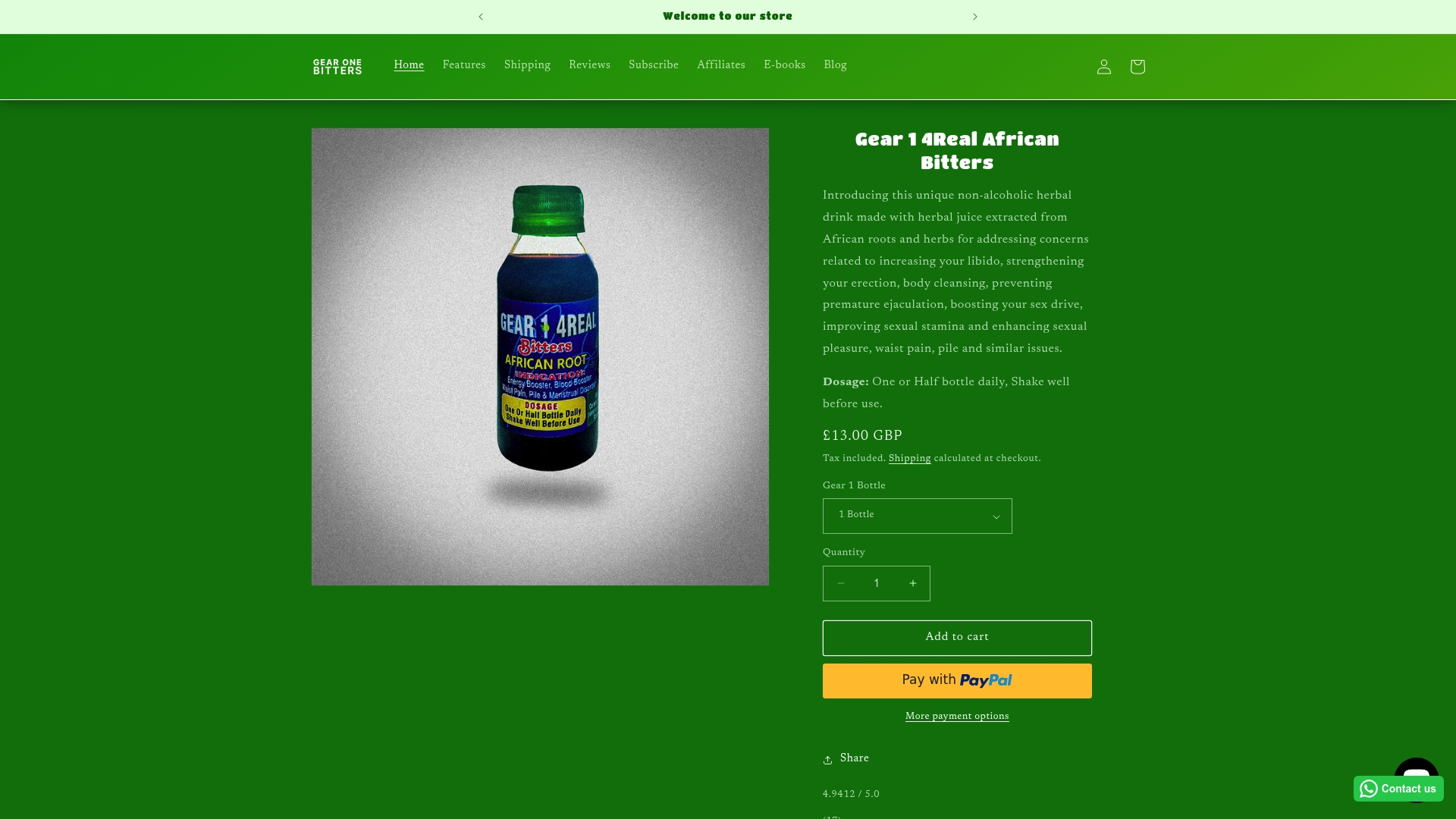
Gear1 is a non-alcoholic herbal drink made from African roots and herbs, formulated to support libido, sexual stamina, and overall vitality. It works alongside a healthy lifestyle rather than replacing one. If you are already working on emotional wellbeing and want natural nutritional support for your sex drive, Gear1 offers a grounded, plant-based option. You can also explore the Gear1 resource library for articles on nutrition, intimacy, and natural approaches to sexual health that complement everything covered here.
FAQ
What is the role of mood in sexual desire?
Mood directly regulates libido through hormonal and neurological pathways. Positive moods trigger endorphin release that enhances desire, while negative moods raise cortisol and suppress sexual interest.
Can stress permanently reduce sexual desire?
Chronic stress causes sustained HPA axis activation that suppresses libido over time, but the effect is reversible. Addressing the source of stress and supporting mood regulation can restore sexual interest.
What is responsive desire and how does mood affect it?
Responsive desire is sexual interest that emerges after intimacy begins rather than appearing spontaneously. Mood and emotional safety are the primary conditions that determine whether responsive desire activates.
Why does anxiety sometimes feel like sexual attraction?
Anxiety and arousal share similar nervous system signatures, making them easy to confuse. Genuine desire carries a sense of safety and grounding that anxiety-driven arousal does not.
How can I improve my mood to support a healthier libido?
Prioritising sleep, managing conflict, eating well, and building emotional safety in your relationship are the most evidence-supported approaches to improving both mood and sexual desire consistently.
Recommended
- The role of dopamine in sexual desire explained – Gear 1 4Real African Bitters
- Why romantic environment improves sex: the science – Gear 1 4Real African Bitters
- Why diet affects sex drive: the full picture – Gear 1 4Real African Bitters
- How male arousal works: the physiology explained – Gear 1 4Real African Bitters
About Gear 1 4Real African Bitters — a non-alcoholic herbal bitters made from African root and herb extracts, blended to a traditional recipe rooted in generations of use. See the product and full ingredients list.
Food supplement. Not intended to diagnose, treat, cure or prevent any disease.