
Sexual vitality is defined as the multidimensional integration of physical capacity, mental confidence, emotional intelligence, and energetic drive that together determine the quality and satisfaction of your sexual health. It is not simply about performance in the bedroom. Sexual vitality serves as a critical indicator of cardiovascular fitness, hormonal balance, and psychological resilience. Understanding what sexual vitality means gives you a clear starting point for improving libido, stamina, and overall well-being in a way that is grounded in evidence rather than guesswork.
What is sexual vitality and what does it actually include?
Sexual vitality is a multidimensional integration of physical capacity, mental confidence, emotional intelligence, and energetic drive. That definition matters because it shifts the conversation away from a single measure like erection quality or frequency of sex. True sexual vitality reflects how well your body, mind, and relationships are functioning together.
The physical dimension covers cardiovascular health, hormone levels, pelvic floor strength, and overall stamina. The mental dimension includes psychological readiness, self-confidence, and freedom from performance anxiety. The emotional dimension involves your capacity for intimacy, communication, and connection with a partner. The energetic dimension is the underlying drive and motivation that sustains desire over time.
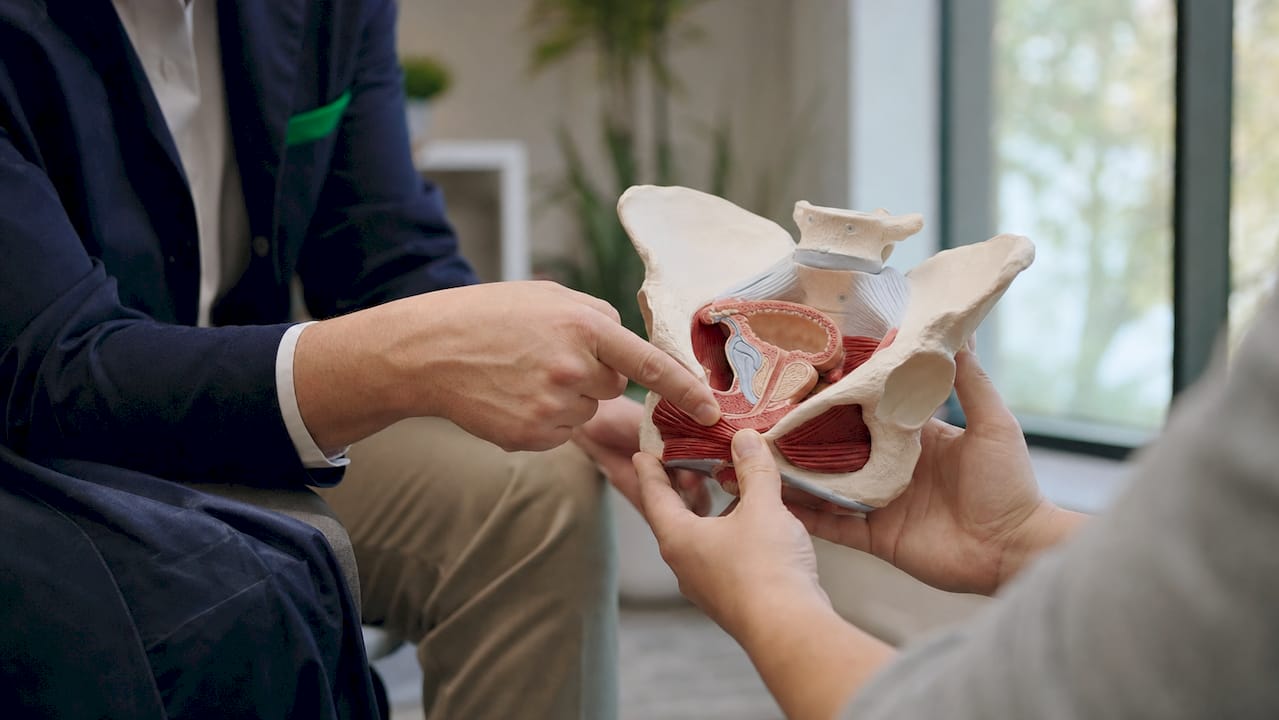
Most people focus only on the physical side. That narrow view misses the full picture. A man can have excellent testosterone levels and still experience low desire because of chronic stress or relationship tension. Addressing all four dimensions is what separates genuine sexual vitality from a temporary fix.
What physical factors affect sexual vitality?
Cardiovascular health is the single most important physical factor in sexual vitality. The penis relies on healthy blood vessels to achieve and maintain an erection. Poor circulation, arterial stiffness, and high blood pressure all reduce blood flow to the genitals and directly impair sexual function. Daily walking for 30 minutes is linked to a 41% reduction in the risk of erectile dysfunction. That figure shows how accessible cardiovascular improvement actually is.
Hormonal balance, particularly testosterone, shapes libido, energy, and mood. Reducing visceral fat enhances natural testosterone levels by decreasing aromatase enzyme activity that converts testosterone into oestrogen. This means that losing abdominal fat is not just about aesthetics. It directly improves your hormonal environment.
Exercise type matters as much as exercise frequency. Zone 2 aerobic training maximises capillary density and endothelial function, which are both critical for blood flow and sexual vitality. Zone 2 refers to steady, moderate-intensity cardio where you can still hold a conversation. Brisk walking, cycling, and swimming all qualify.
Pelvic floor health is often overlooked but plays a direct role in sexual stamina and control. Standard and reverse Kegel exercises performed three to four times weekly strengthen the muscles that support erection and ejaculatory control. Reverse Kegels, which involve releasing and lengthening the pelvic floor rather than contracting it, are particularly useful for men who experience tension-related dysfunction.
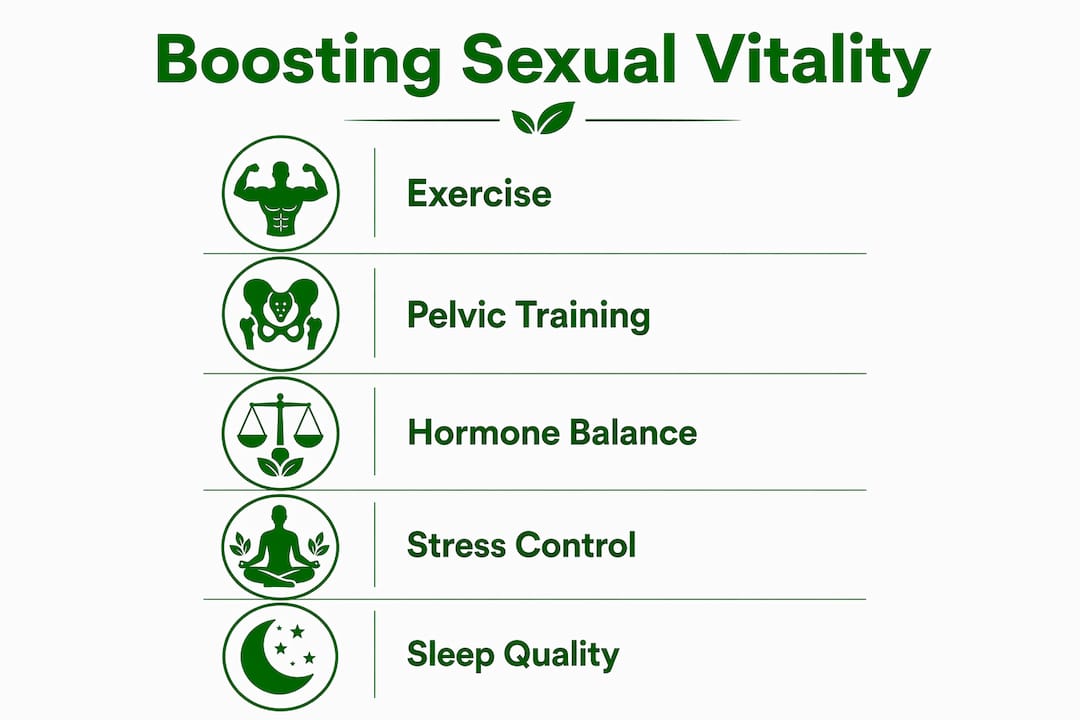
- Cardiovascular fitness: Supports blood flow to the genitals and reduces erectile dysfunction risk.
- Testosterone balance: Influenced by body composition, sleep quality, and stress levels.
- Zone 2 aerobic exercise: Builds endothelial health and capillary density for sustained performance.
- Pelvic floor strength: Maintained through regular Kegel and reverse Kegel practice.
- Visceral fat reduction: Lowers aromatase activity and raises free testosterone naturally.
Pro Tip: Combine 30 minutes of brisk walking five days a week with three sets of pelvic floor exercises daily. This pairing addresses both vascular health and muscular control, two of the most trainable physical factors affecting sexual vitality.
How do psychological and emotional factors shape sexual desire?
Mental confidence is a core component of sexual vitality, not a bonus feature. Performance anxiety creates a feedback loop where fear of failure leads to physical tension, which then causes the very outcome the person feared. Breaking that loop requires building psychological readiness through realistic expectations, mindfulness, and gradual exposure to intimacy without pressure.
Chronic stress raises cortisol levels, which suppress testosterone production and reduce sexual arousal. Cortisol and testosterone compete for the same biochemical precursors. When stress is sustained, the body prioritises cortisol production, and testosterone suffers. The result is lower libido, reduced energy, and diminished sexual confidence.
Emotional connection with a partner is a powerful driver of desire. Open communication about preferences, boundaries, and feelings creates psychological safety. That safety reduces inhibition and increases the likelihood of satisfying sexual experiences. Research consistently shows that couples who communicate openly about sex report higher levels of desire and satisfaction.
Sexual satisfaction is a powerful predictor of resilience and overall life satisfaction, independent of age or relationship status. A study involving 619 adults aged 18 to 92 found that sexual satisfaction predicts resilience across the full lifespan. That finding reframes sexual vitality as a health asset, not a luxury.
Emotional maturity also contributes in ways that are rarely discussed. Confidence built through life experience, reduced self-consciousness, and better communication skills often improve sexual satisfaction even as physical capacity changes with age. The psychological dimension of sexual vitality can strengthen over time when actively cultivated.
What lifestyle practices can enhance sexual vitality?
Practical lifestyle changes produce measurable improvements in sexual vitality. The most effective approach combines physical activity, stress management, nutritional support, and intentional sexual habits.
- Exercise regularly with purpose. Prioritise Zone 2 cardio for vascular health and add resistance training twice weekly to support testosterone production. Aim for at least 150 minutes of moderate activity per week.
- Manage stress actively. Techniques such as diaphragmatic breathing, progressive muscle relaxation, and consistent sleep schedules reduce cortisol and protect testosterone levels. Sleep deprivation alone can reduce testosterone by a clinically significant margin within one week.
- Support your diet. Foods rich in zinc, magnesium, and antioxidants support testosterone production and blood vessel health. Explore foods that increase male sexual energy for a detailed breakdown of what to prioritise on your plate.
- Invest in connection. Physical touch outside of sex, such as massage, holding hands, and prolonged eye contact, builds intimacy and primes the nervous system for desire. These non-sexual forms of connection reduce anxiety and increase oxytocin.
- Schedule regular health checks. Cardiovascular and hormonal health screenings catch problems early. Blood pressure, fasting glucose, and testosterone panels give you a clear picture of where you stand.
Herbal support is a growing area of interest for men seeking natural ways to maintain sexual energy. Herbal sexual enhancement drinks made from African roots and plant extracts have a long history of traditional use for libido, stamina, and sexual pleasure. Gear1 is one such product, formulated with herbal juice extracted from African roots and herbs to address libido, erection strength, premature ejaculation, and sexual stamina.
Pro Tip: Track your sleep quality for two weeks before making any other changes. Poor sleep is the most common and most underestimated factor suppressing testosterone and sexual desire in men under 50.
How does sexual vitality change with age?
Sexual vitality evolves across the lifespan in ways that are biological, psychological, relational, and sociocultural. Testosterone levels decline gradually from the mid-thirties onward. Erections may take longer to achieve and require more direct stimulation. Orgasm intensity and recovery time also shift. These changes are normal. They do not signal the end of sexual vitality.
The concept of Successful Sexual Aging (SSA) provides a useful framework. SSA is built on three principles: acceptance, adaptation, and activation. Acceptance means acknowledging biological changes without shame. Adaptation means adjusting sexual practices, expectations, and communication to suit your current body. Activation means staying engaged with your sexual health through exercise, nutrition, and intimacy.
| SSA Principle | What it means | Practical example |
|---|---|---|
| Acceptance | Acknowledge age-related changes without shame | Recognise that slower arousal is normal, not a failure |
| Adaptation | Adjust practices to suit your current body | Explore new forms of stimulation and extended foreplay |
| Activation | Stay actively engaged with sexual health | Maintain exercise, diet, and open communication with a partner |
Older adults who adapt to sexual changes show lower rates of depression and anxiety and greater relational stability. That finding suggests sexual vitality in later life is less about physical peak performance and more about psychological flexibility and relational quality.
Emotional maturity often improves sexual satisfaction despite physical changes. Confidence, reduced inhibition, and stronger communication skills frequently make sex more satisfying in midlife and beyond than it was in younger years. The men who thrive sexually as they age are those who invest in connection and adapt without resistance.
Key takeaways
Sexual vitality is a multidimensional state shaped by physical health, mental confidence, emotional connection, and energetic drive, and it can be actively maintained at every stage of life.
| Point | Details |
|---|---|
| Definition of sexual vitality | It integrates physical capacity, mental confidence, emotional intelligence, and energetic drive. |
| Physical foundations | Cardiovascular fitness, testosterone balance, and pelvic floor strength are the core physical drivers. |
| Psychological impact | Chronic stress raises cortisol, suppresses testosterone, and directly reduces sexual desire. |
| Lifestyle enhancement | Zone 2 exercise, quality sleep, nutritional support, and open communication all improve sexual vitality. |
| Successful sexual ageing | Acceptance, adaptation, and activation sustain sexual vitality and relational satisfaction across the lifespan. |
Sexual vitality is a lifelong investment, not a peak to chase
I have spoken with many men who treat sexual vitality as something they either have or have lost. That framing is the problem. Sexual vitality is not a fixed state. It is a dynamic one that responds to how you live, how you manage stress, and how you show up in your relationships.
The men I see making the most progress are not the ones obsessing over performance metrics. They are the ones who started walking more, sleeping better, and talking honestly with their partners. Those changes are unglamorous, but they work. The ripple effect of confidence that comes from consistent self-care is real and measurable.
One thing I want to challenge directly is the idea that sexual vitality declines are inevitable and irreversible. The evidence says otherwise. Biological changes are real, but adaptation is equally real. A man in his fifties who exercises, manages stress, and maintains emotional intimacy with his partner can have a richer sexual life than he did at thirty. That is not wishful thinking. That is what the research on successful sexual ageing actually shows.
Sexual health is not a vanity concern. It reflects the state of your cardiovascular system, your hormonal environment, and your psychological resilience. Treating it seriously is treating your overall health seriously.
— Ayomide
Supporting your sexual vitality naturally with Gear1
Understanding sexual vitality is the first step. Acting on that understanding is where real change begins.
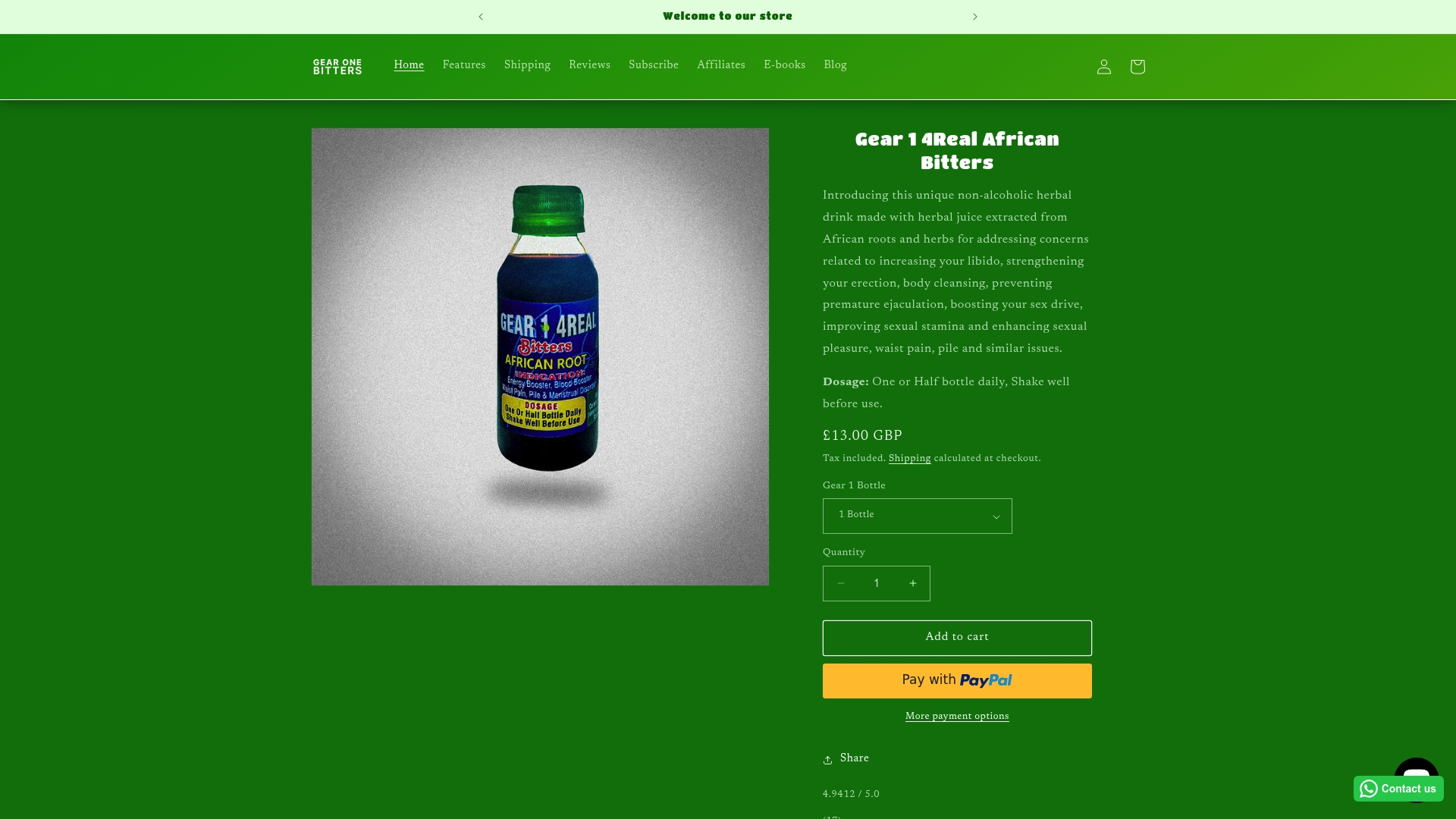
Gear1 is a non-alcoholic herbal drink made with herbal juice extracted from African roots and herbs. It is formulated to support libido, strengthen erections, prevent premature ejaculation, and improve sexual stamina and pleasure. Alongside the lifestyle strategies covered here, including diet, exercise, and stress management, Gear1 offers a natural complement rooted in traditional African herbal knowledge. You can also explore why diet affects sex drive to understand how nutrition and herbal support work together. Visit Gear1’s full range to find the right support for your sexual health goals.
FAQ
What is the definition of sexual vitality?
Sexual vitality is the multidimensional integration of physical capacity, mental confidence, emotional intelligence, and energetic drive that together determine the quality and satisfaction of a person’s sexual health. It serves as an indicator of cardiovascular and hormonal well-being, not just sexual performance.
What factors affect sexual vitality most significantly?
Cardiovascular health, testosterone balance, chronic stress, sleep quality, and emotional connection with a partner are the primary factors. Cortisol from sustained stress directly suppresses testosterone and reduces sexual arousal.
How can men enhance sexual vitality naturally?
Zone 2 aerobic exercise, pelvic floor training, visceral fat reduction, quality sleep, and a nutrient-rich diet all support sexual vitality. Daily walking for 30 minutes is linked to a 41% reduction in erectile dysfunction risk.
Does sexual vitality decline with age?
Biological changes occur, but sexual vitality does not simply disappear. The Successful Sexual Aging framework shows that acceptance, adaptation, and activation allow men to maintain satisfying sexual health well into later life.
Is sexual satisfaction linked to overall health?
A study of 619 adults aged 18 to 92 found that sexual satisfaction predicts resilience and life satisfaction independently of age or relationship status. Sexual health reflects and reinforces broader physical and psychological well-being.
Recommended
- Foods increasing male sexual energy: 2026 guide – Gear 1 4Real African Bitters
- Sexual stamina explained: your natural guide – Gear 1 4Real African Bitters
- What causes sexual fatigue in men: 2026 guide – Gear 1 4Real African Bitters
- The role of libido in relationship health – Gear 1 4Real African Bitters
About Gear 1 4Real African Bitters — a non-alcoholic herbal bitters made from African root and herb extracts, blended to a traditional recipe rooted in generations of use. See the product and full ingredients list.
Food supplement. Not intended to diagnose, treat, cure or prevent any disease.