
Several adaptogenic herbs — notably ashwagandha, cordyceps, and rhodiola — have the strongest clinical evidence for improving stamina, recovery, and sexual vitality when taken consistently over weeks, not days. If you want a quick shortlist of the types of herbal energy boosters athletes and active adults actually use, here it is:
- Ashwagandha (Withania somnifera): strong evidence for VO2max, strength, and recovery at 300–600 mg/day
- Cordyceps (Cordyceps sinensis): aerobic performance improved after 12 weeks in a randomised controlled trial
- Rhodiola rosea: moderate evidence for reduced mental fatigue and exercise performance
- Panax ginseng: moderate evidence for muscular endurance and recovery
- Maca: limited clinical evidence; strong traditional use for libido and stamina
- Tribulus terrestris: limited evidence; popular for sexual function but lacks robust trial data
Safety note: Always check interactions with prescription medicines before starting any herbal supplement. The MHRA regulates supplements in the UK, and products such as Gear 1 4Real African Bitters are sold as food supplements, not medicines. Rhodiola and ashwagandha both carry interaction risks with common drug classes — covered in full below.
Table of Contents
- Quick herb profiles: what each one does for you
- How adaptogens actually work in your body
- What the clinical trials actually show
- Safety, drug interactions, and buying safely in the UK
- How to use herbal boosters safely: dosing and timing
- When to stop and when to see a clinician
- Gear 1 4Real African Bitters: a ready-made herbal option
- Key takeaways
- A balanced view on herbal boosters for stamina
- Selected sources and further reading
Quick herb profiles: what each one does for you
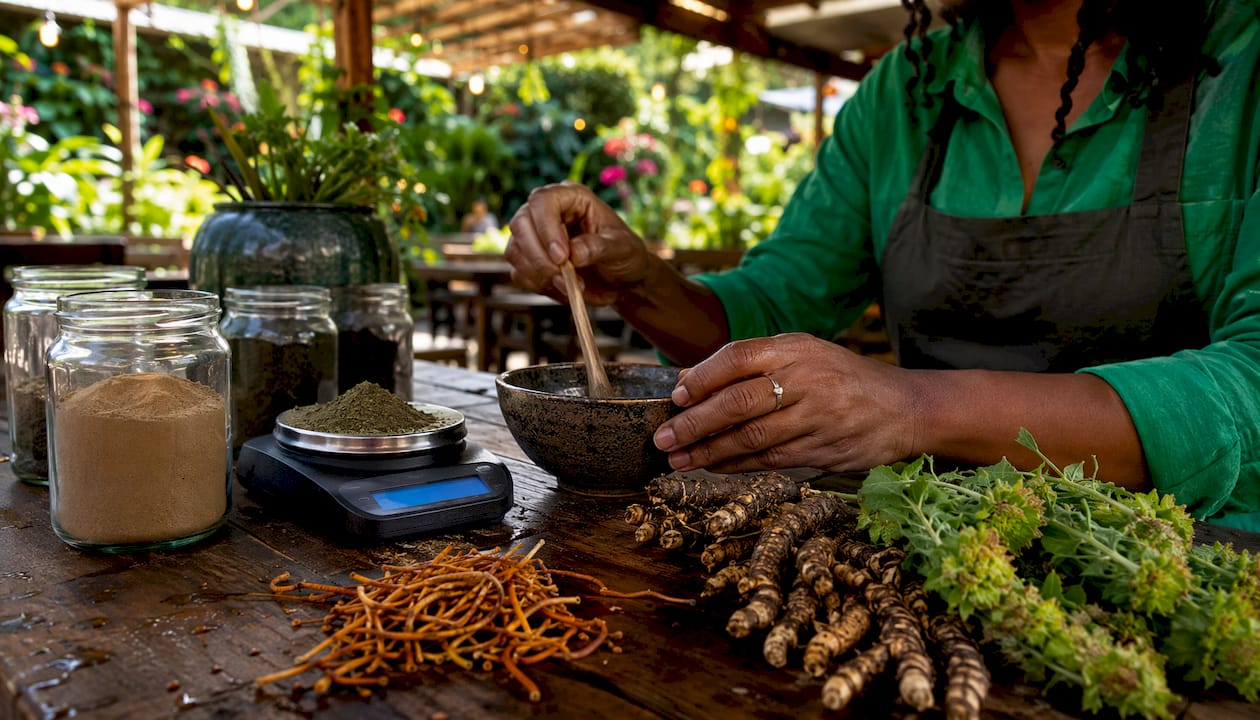
The table below gives you a working profile of each major herb so you can shortlist one or two that match your goals.
| Herb | Primary effect | Typical clinical dose | Evidence level | Common side effects | Key contraindications |
|---|---|---|---|---|---|
| Ashwagandha | VO2max, strength, recovery | 300–600 mg/day | Strong | Rhinitis, constipation, reduced appetite | Sedatives, benzodiazepines, thyroid meds |
| Cordyceps | Aerobic endurance, energy | 2 g/day (trial dose) | Moderate | Dry mouth, nausea, diarrhoea | Immunosuppressants |
| Rhodiola rosea | Mental fatigue, endurance | 300–600 mg/day | Moderate | Dizziness, dry mouth | Blood thinners, antidiabetics |
| Panax ginseng | Muscle strength, recovery | — | Moderate | Mild insomnia, hot flushes | Anticoagulants, stimulants |
| Maca | Libido, stamina | 3 g/day | Limited | Generally well tolerated | Hormone-sensitive conditions |
| Tribulus terrestris | Sexual function | — | Limited | GI upset | Cardiac or kidney conditions |
| Curcumin (turmeric) | Anti-inflammatory, recovery | — | Moderate | Diarrhoea, headache | Blood thinners |
Key distinctions worth knowing:
- True adaptogens (ashwagandha, rhodiola, cordyceps) modulate the stress axis and support recovery over time. They are not stimulants.
- Alleged hormone boosters (Tribulus, Maca) are often marketed for testosterone support, but clinical evidence for direct hormonal effects is weak.
- Anti-inflammatory herbs (curcumin, ginger) target recovery rather than energy output directly.
How adaptogens actually work in your body
Adaptogens do not give you an immediate energy spike the way caffeine does. They work by stabilising the stress response and supporting recovery, which indirectly improves stamina and sexual vitality over weeks of consistent use.
“Adaptogens are used to improve attention, increase endurance in scenarios where fatigue is present, reduce stress-related diseases and impairments, improve physical stamina, strength, and energy levels, improve sexual dysfunction, restore cognitive performance affected by stress, and maintain cortisol levels under control.” — Open Medicinal Chemistry Journal review of adaptogenic herbs as sports performance enhancers
Think of it this way: a stimulant borrows energy from tomorrow; an adaptogen helps your body produce and conserve energy more efficiently over time. The cortisol regulation effect is central. When training stress keeps cortisol elevated, recovery slows and libido often drops. Adaptogens help bring that stress axis back into balance, which is why athletes and anyone managing high physical or sexual demands find them useful together.
Sports clinicians consistently advise correcting sleep, nutrition, and training before expecting large returns from supplements alone. Adaptogens complement a solid lifestyle foundation; they do not replace it.
What the clinical trials actually show
Ashwagandha has the deepest evidence base among plant-based energy sources for athletes. A systematic review and meta-analysis of multiple trials at 300–600 mg/day reported improvements in VO2max of roughly 3–4 ml/kg/min and meaningful gains in strength and recovery markers over 8–12 weeks. Standardised root extracts produced more consistent results than unstandardised powders.
Cordyceps earned its place in the evidence conversation through a randomised, double-blind, placebo-controlled trial in amateur marathon runners. Heart rate at moderate exercise intensity dropped after continuous use, and aerobic performance improved over the trial period. Outcomes do depend on species, cultivation method, and dose, so product quality matters considerably.
Rhodiola rosea shows reduced blood lactate and plasma creatine kinase in elite athletes after 28 days of supplementation, suggesting improved recovery capacity, though VO2max and heart rate maximum were not significantly altered in that study. Mental fatigue reduction is its most consistent finding across trials.
| Herb | Key outcome | Trial duration | Dose used |
|---|---|---|---|
| Ashwagandha | VO2max +3–4 ml/kg/min; strength gains | 8–12 weeks | 300–600 mg/day |
| Cordyceps | Improved aerobic performance; reduced heart rate | 12 weeks | 2 g/day |
| Rhodiola rosea | Reduced blood lactate and creatine kinase | 28 days | 300–600 mg/day |
| Panax ginseng | Faster muscle force recovery; reduced perceived effort | Single session/short-term | — |
Important caveat: most trials use small samples, and outcomes vary across populations. Claims about direct testosterone increases from Tribulus or Maca are not well supported by current human trial data. Herbal hormone-booster blends often lack clinical backing and may contain substances monitored by anti-doping agencies, including WADA.
Safety, drug interactions, and buying safely in the UK
| Herb | Interaction risk | Who should avoid it |
|---|---|---|
| Rhodiola rosea | Blood thinners, antidiabetics, immunosuppressants | Pregnancy; autoimmune conditions |
| Ashwagandha | Sedatives, benzodiazepines, thyroid medications | Pregnancy; hormone-sensitive cancers |
| Panax ginseng | Anticoagulants (warfarin), stimulants, MAOIs | Hypertension; bleeding disorders |
| Cordyceps | Immunosuppressants | Autoimmune conditions |
| Tribulus terrestris | Cardiac or kidney medications | Prostate conditions; kidney disease |
| Curcumin | Blood thinners; iron absorption (high doses) | Gallbladder disease; pre-surgery |
UK-specific buying guidance:
- The MHRA does not licence herbal supplements as medicines unless they carry a Traditional Herbal Registration (THR) number. A THR mark means the product has been assessed for quality and safety, not efficacy.
- Choose products with standardised extracts (e.g. ashwagandha standardised to withanolide content) rather than raw powders, as these match the doses used in clinical trials.
- Prefer batch-tested suppliers. Batch testing confirms the product is free from contaminants and undeclared actives, which matters particularly for athletes subject to anti-doping rules.
- Check labels carefully for undeclared stimulants or hormone precursors, especially in blended “performance” products.
How to use herbal boosters safely: dosing and timing
Pro Tip: Start with a single standardised extract at the lowest clinical dose for at least six weeks before adding a second herb. Stacking too many herbs at once makes it impossible to identify what is working or causing side effects.
| Herb | Starting dose | Trial window | Best timing |
|---|---|---|---|
| Ashwagandha | 300 mg/day | 8–12 weeks | Evening (calming effect) |
| Cordyceps | 1–2 g/day | 12 weeks | Pre-training |
| Rhodiola rosea | — | 6–8 weeks | Morning, away from meals |
| Maca | 3 g/day | 6–12 weeks | With food |
| Curcumin | — | 4–8 weeks | With a meal containing fat |
Timing with training matters. Rhodiola is best taken in the morning because it can be mildly stimulating for sensitive individuals. Ashwagandha suits evening use given its calming, cortisol-lowering properties. Cordyceps pairs well with pre-training routines given its aerobic performance focus. For natural endurance training herbs, pairing one adaptogen with consistent sleep and adequate protein intake produces the most reliable results.
Standardised extracts matter more than many people realise. Ashwagandha root extracts standardised to a specified withanolide content show more consistent effects than unstandardised powders, because the active compound concentration is controlled and matches what trials actually tested.
When to stop and when to see a clinician
Stop taking any herbal supplement and seek medical advice promptly if you experience:
- Allergic reaction (rash, swelling, difficulty breathing)
- Chest pain or palpitations
- Severe gastrointestinal upset lasting more than 48 hours
- Unexplained bleeding or bruising
- Significant mood changes or sleep disruption
Report suspected adverse reactions to the UK Yellow Card scheme (run by the MHRA) at yellowcard.mhra.gov.uk. This is especially relevant for any supplement that causes an unexpected reaction, as it helps build the UK’s safety database for herbal products.
Pause supplementation at least two weeks before any surgical procedure, and always disclose herbal supplement use to your GP or pharmacist when starting new prescription medicines. Document the product name, dose, and duration so your clinician has accurate information.
This article is general information, not medical advice. Confirm current guidance with the MHRA or a qualified healthcare professional for your own situation.
Gear 1 4Real African Bitters: a ready-made herbal option
For adults who want the benefits of a blended herbal drink without sourcing and measuring individual extracts, Gear 1 4Real African Bitters offers a practical alternative. Made from African roots and herbs in a non-alcoholic formula, it addresses libido, sexual stamina, erection strength, premature ejaculation, and body cleansing in a single ready-to-drink format. This herbal sexual enhancement drink approach suits adults who want convenience alongside the benefits of plant-based ingredients.
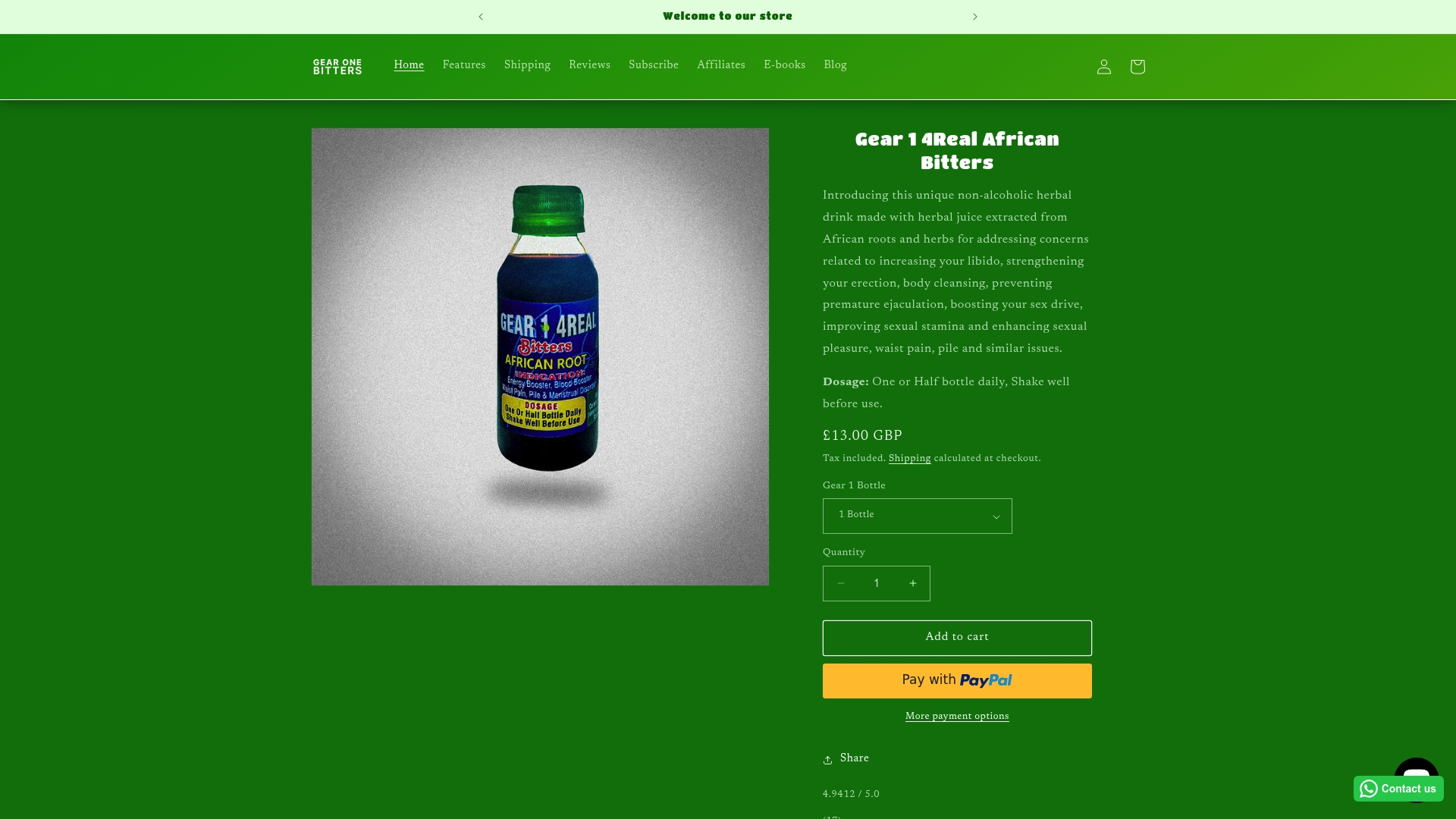
Gear 1 is sold as a food supplement, not a medicine. If you take prescription medicines, consult your GP before use. To see the full product features and place an order, visit the Gear1 product page.
Key takeaways
Ashwagandha, cordyceps, and rhodiola have the strongest clinical evidence among herbal energy boosters for athletes, with meaningful results appearing after 6–12 weeks of consistent use at standardised extract doses.
| Point | Details |
|---|---|
| Start with one adaptogen | Trial a single standardised extract for at least 6–8 weeks before adding another herb. |
| Dose and extract quality matter | Ashwagandha at 300–600 mg/day (standardised extract) matches the doses used in clinical trials showing VO2max gains. |
| Effects take weeks, not days | Cordyceps improved aerobic performance after 12 weeks; adaptogens are not short-acting stimulants. |
| Check interactions first | Rhodiola and ashwagandha both interact with common drug classes; always consult a pharmacist or GP. |
| Gear1 as a blended option | Gear 1 4Real African Bitters combines African root herbs in a non-alcoholic drink for stamina and sexual vitality. |
A balanced view on herbal boosters for stamina
The marketing around herbal “hormone boosters” and instant performance enhancers is often well ahead of the evidence. What the trials actually show is more nuanced and, in many ways, more useful: adaptogens work best as part of a consistent lifestyle, not as a shortcut around one.
The herbs with the strongest evidence, ashwagandha and cordyceps in particular, produce meaningful results when taken at clinically studied doses over weeks, alongside good sleep, adequate nutrition, and structured training. That is not a limitation; it is how the body actually works. The stamina-boosting herbs that earn their place in a serious wellness routine are the ones backed by standardised extracts and transparent ingredient labelling, not bold marketing claims.
Where I would urge caution is with blended “hormone booster” products that list Tribulus or Maca alongside a dozen other ingredients at undisclosed doses. Without standardisation and batch testing, you cannot know what you are actually taking, and the interaction risk with prescription medicines is real. Ingredient transparency is not a nice extra; it is the minimum standard worth insisting on.
Selected sources and further reading
- Ashwagandha meta-analysis, Journal of Sports Medicine: systematic review of multiple trials reporting VO2max and strength outcomes at 300–600 mg/day.
- Cordyceps 12-week marathon trial, ResearchGate: randomised double-blind placebo-controlled trial in amateur runners.
- Rhodiola rosea, NCCIH: clinical overview including contraindications and interaction risks.
- Adaptogens in sports medicine, PMC: sports medicinal chemistry review of cortisol regulation and recovery mechanisms.
- Adaptogenic herbs as performance enhancers, Open Medicinal Chemistry Journal: review of the top eight market adaptogens including mechanisms and side effects.
- USADA guidance on natural products: anti-doping risk guidance for athletes using herbal supplements.
- Harvard Health: energy, vitamins and nutrition: dietitian guidance on lifestyle foundations before supplementation.
- Today’s Dietitian: popular herbal supplements for athletes: practical overview of curcumin, ginger, and other recovery-focused herbs.
- MHRA Yellow Card scheme (yellowcard.mhra.gov.uk): UK adverse event reporting for supplements and medicines.
- MHRA Traditional Herbal Registration guidance (gov.uk/guidance/register-a-traditional-herbal-medicine): explains the THR mark and what it means for UK supplement buyers.
Recommended
- Herbal supplements for gym performance: 2026 guide – Gear 1 4Real African Bitters
- Why natural supplements boost workouts: 2026 guide – Gear 1 4Real African Bitters
- Natural endurance training herbs for sexual stamina – Gear 1 4Real African Bitters
- Stamina boosting herbs for men: top 10 picks – Gear 1 4Real African Bitters
About Gear 1 4Real African Bitters — a non-alcoholic herbal bitters made from African root and herb extracts, blended to a traditional recipe rooted in generations of use. See the product and full ingredients list.
Food supplement. Not intended to diagnose, treat, cure or prevent any disease.