
Ashwagandha, Gynostemma pentaphyllum, cordyceps, moringa, and Rhodiola rosea are the herbs with the strongest human trial evidence for supporting stamina, recovery, and libido. Gear 1 4Real African Bitters brings several of these African roots and herbs together in a single non-alcoholic drink formulation. Realistic expectations matter here: these plants support energy metabolism, cortisol balance, and oxidative stress reduction over weeks, not overnight.
- Timeline: Most measurable benefits appear after several weeks of consistent daily use.
- Effect sizes: Ashwagandha improved VO2max versus placebo at 8 and 12 weeks in a double-blind trial; Gynostemma showed roughly a 4% time-trial improvement after four weeks.
- Safety flag: If you take anticoagulants, antidepressants, antihypertensives, or hormone therapies, speak to your GP before starting any herbal supplement. Sudden erectile dysfunction always warrants a GP visit first.
Table of Contents
- Which natural endurance training herbs have the strongest evidence?
- How do these herbs actually support stamina and libido?
- Safety, side effects, and when to see your GP
- How to use herbs alongside training, diet, and recovery
- How to choose quality herbal products in the UK
- Key takeaways
- A measured view on herbal stamina support
- Gear 1 4Real African Bitters: a natural next step
- Useful sources
Which natural endurance training herbs have the strongest evidence?
| Herb | Primary mechanism | Evidence level | Trial highlight |
|---|---|---|---|
| Ashwagandha | Adaptogen / cortisol modulation | Strong | VO2max gains at 8–12 weeks vs placebo |
| Gynostemma pentaphyllum | AMPK / mitochondrial signalling | Moderate | ~4% time-trial improvement (4 weeks) |
| Cordyceps sinensis | Aerobic capacity / nitric oxide | Moderate | Improved aerobic endpoints at 8–12 weeks |
| Moringa | Antioxidant / anti-fatigue | Moderate | Reduced oxidative stress, faster 10 km times (8 weeks) |
| Rhodiola rosea | Adaptogen / salidroside antioxidant | Moderate | Body composition improvements with endurance training |
| Ginseng | Adaptogen / energy metabolism | Moderate | Fatigue reduction; hormone-sensitive cautions apply |
| Turmeric | Anti-inflammatory / antioxidant | Moderate | Reduced exercise-induced inflammation markers |
| Holy basil | Adaptogen / cortisol support | Limited | Stress and mood data; endurance data limited |
Dosing, formulations, and UK availability
Ashwagandha trials used standardised root extracts, typically 300–600 mg daily, measured at 8 and 12 weeks. Look for products standardised to at least 5% withanolides. Available widely in UK health shops and online retailers as capsules or powder.
Gynostemma pentaphyllum human trials used encapsulated extract. Standardised leaf extracts are available from specialist UK supplement retailers, though less common on the high street.
Cordyceps is sold as dried powder, capsules, or liquid extract in the UK. Trials used 8–12 week protocols; aerobic performance improvements were reported across multiple randomised studies, though sample sizes varied.
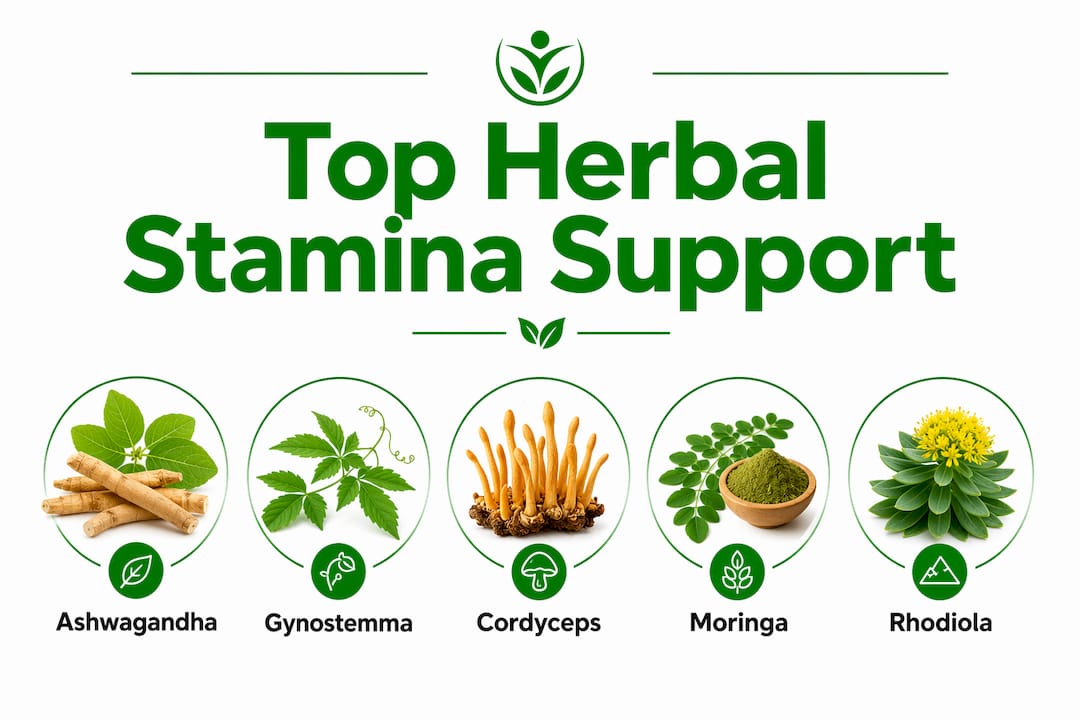
Moringa seed or leaf powder is widely available in UK supermarkets and health shops. The 10 km running trial used seed supplementation over eight weeks.
Rhodiola rosea is available as standardised extract (standardised to rosavins and salidroside) in capsule form across UK pharmacies and supplement retailers.
Pro Tip: Always check the label for the Latin botanical name and the standardisation marker. For ashwagandha, that means withanolide percentage; for Rhodiola, look for rosavins and salidroside content. A product listing only “ashwagandha root powder” with no standardisation figure is likely lower potency than a trial-grade extract.
How do these herbs actually support stamina and libido?
Herbs support stamina by modulating stress hormones, reducing oxidative damage, and supporting energy metabolism at the cellular level. They are not stimulants. Their effects build gradually through consistent use.
Adaptogens modulate the physiological stress response by helping maintain cortisol within a functional range. Chronically elevated cortisol suppresses testosterone production and impairs recovery. Ashwagandha’s cortisol-lowering effect is one reason it appears in both endurance and libido research.
Gynostemma works differently. Its gypenosides activate AMPK, a cellular energy sensor that promotes mitochondrial biogenesis. In practical terms, this means muscles can produce energy more efficiently, which is why the AMPK/mitochondrial signalling mechanism is considered a plausible explanation for its time-trial gains.
- Antioxidant pathway: Moringa reduces malondialdehyde, a marker of oxidative damage in muscle tissue, which supports faster recovery between sessions.
- Anti-inflammatory pathway: Turmeric’s curcumin reduces exercise-induced inflammation, lowering creatine kinase and supporting muscle repair.
- Mitochondrial biogenesis: Polysaccharide-rich plants such as cordyceps and moringa may upregulate mitochondrial regulators, improving aerobic capacity over time.
Key limitation: Most human trials are small and short. Effect sizes are modest. These herbs complement good training; they do not replace it.
Safety, side effects, and when to see your GP
Known side effects by herb:
- Ashwagandha: Mild gastrointestinal upset, occasional sedation; rare liver-related reports at high doses.
- Ginseng: Insomnia, headaches, and potential hormone-sensitive effects; avoid with oestrogen-sensitive conditions.
- Cordyceps: Mild GI symptoms; generally well tolerated at standard doses.
- Rhodiola: Dizziness or dry mouth at higher doses; may interact with antidepressants.
- Moringa: Generally safe at food-grade doses; high-dose seed extracts may cause GI discomfort.
UK-specific cautions: Herbal supplements are regulated as food supplements in the UK under the Food Safety Act. They do not require the same pre-market clinical evidence as licensed medicines. Pregnant or breastfeeding women should avoid most herbal supplements unless a GP or midwife has confirmed safety. Older adults on multiple medications face the highest interaction risk. Adverse reactions to herbal products can be reported to the MHRA through the Yellow Card scheme.
How to use herbs alongside training, diet, and recovery
Herbs support recovery and hormonal balance best when paired with progressive training, adequate protein, carbohydrate timing, and consistent sleep. Treat them as an adjunct, not a shortcut.
Consistent dosing for 8–12 weeks is what most trials require before measurable endurance changes appear. Many people stop too early and conclude the herb “didn’t work.” Four weeks in, you may notice improved mood and energy; measurable stamina gains typically emerge at eight to twelve weeks.
- Manage training load first. Progressive overload drives adaptation. Herbs support recovery within that structure; they cannot compensate for overtraining or under-recovery.
- Prioritise protein and carbohydrates. Aim for adequate protein at each meal and carbohydrate intake timed around sessions. Herbs complement nutrition — they do not replace macronutrient strategy.
- Protect sleep. Cortisol-modulating adaptogens work partly through improved sleep quality. Seven to nine hours supports both hormonal balance and libido.
- Cycle and assess. After 12 weeks, take a two-week break and note any changes. This helps you distinguish herb effects from training adaptation.
Pro Tip: Take adaptogenic herbs with food to reduce GI discomfort and improve absorption. Morning or early afternoon dosing suits most adaptogens; avoid taking stimulating herbs like ginseng close to bedtime.
How to choose quality herbal products in the UK
The UK supplement market is largely unregulated for potency. Label literacy protects you.
- Latin botanical name: Confirms you are buying the correct species (e.g. Withania somnifera for ashwagandha, not a related plant).
- Standardisation marker and percentage: Withanolides, rosavins, gypenosides, or polysaccharide content confirm active compound concentration.
- Dose per unit: Match the dose to what human trials used; a 100 mg capsule of unstandardised powder is not equivalent to 300 mg of a 5% withanolide extract.
- Batch number and best-before date: Indicates manufacturing traceability.
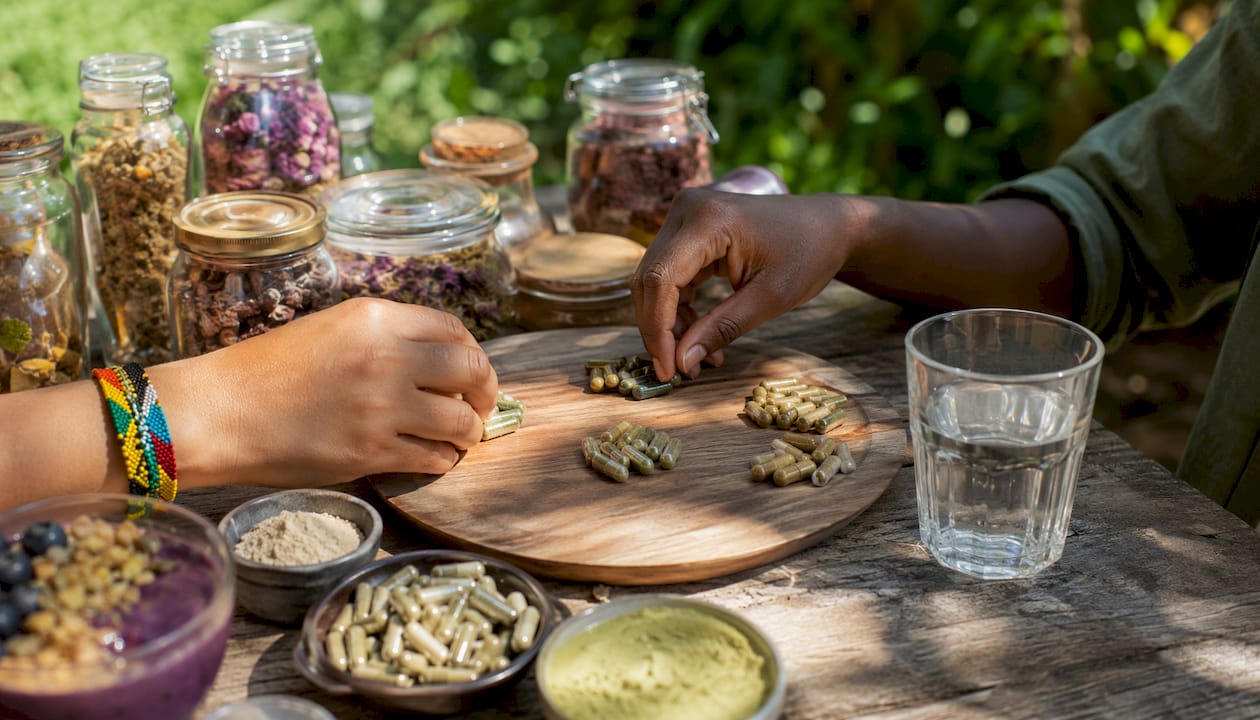
- Third-party testing statement: GMP certification or an independent lab certificate of analysis (COA) confirms purity and potency.
Prefer specialist UK supplement retailers or reputable online platforms with transparent sourcing. Avoid proprietary blends that list multiple herbs without individual doses. Very cheap products almost always lack standardisation.
Pro Tip: Ask any retailer for the COA before purchasing. A reputable supplier will provide it without hesitation. If they cannot, that tells you everything you need to know about their quality controls.
Key takeaways
Ashwagandha, Gynostemma, cordyceps, and moringa are the herbs with the clearest human trial evidence for supporting stamina and recovery, but consistent use over 8–12 weeks is what separates real benefit from wishful thinking.
| Point | Details |
|---|---|
| Choose evidence-backed herbs | Ashwagandha, Gynostemma, cordyceps, and moringa have the strongest human trial data for stamina support. |
| Commit to 8–12 weeks | Most measurable endurance and libido benefits require consistent daily use for at least 8–12 weeks. |
| Prioritise standardised extracts | Check for Latin botanical name, standardisation marker, and a COA from the retailer before buying. |
| Know your interactions | Consult your GP before starting if you take anticoagulants, SSRIs, antihypertensives, or hormone therapies. |
| Gear1 as a practical option | Gear 1 4Real African Bitters combines African roots and herbs in a non-alcoholic drink format for stamina and libido support. |
A measured view on herbal stamina support
The conversation around plant-based endurance support often swings between two extremes: dismissing herbs entirely or treating them as miracle solutions. Neither position serves you well.
The evidence is genuinely encouraging for a handful of herbs, particularly ashwagandha and Gynostemma, where double-blind human trials show real, if modest, improvements in VO2max and time-trial performance. What the evidence does not support is the idea that any herb replaces sleep, training consistency, or sound nutrition. The men who see the most meaningful results from stamina-supporting herbs are those who use them as one layer of a broader approach, not as a standalone fix.
There is also an underappreciated point about libido specifically. Cortisol suppression of testosterone is a real, documented mechanism. Adaptogens that genuinely lower chronic cortisol can have a meaningful ripple effect on confidence, energy, and sexual drive over time. That is not marketing language; it is physiology. The key word is “over time.” Patience and consistency matter more than the specific herb you choose.
Gear 1 4Real African Bitters: a natural next step
If you want a ready-made herbal option that fits the approach this article describes, Gear 1 4Real African Bitters is worth considering. It is a non-alcoholic herbal drink made from African roots and herbs, formulated to support libido, sexual stamina, erection strength, and body cleansing without alcohol or synthetic additives.
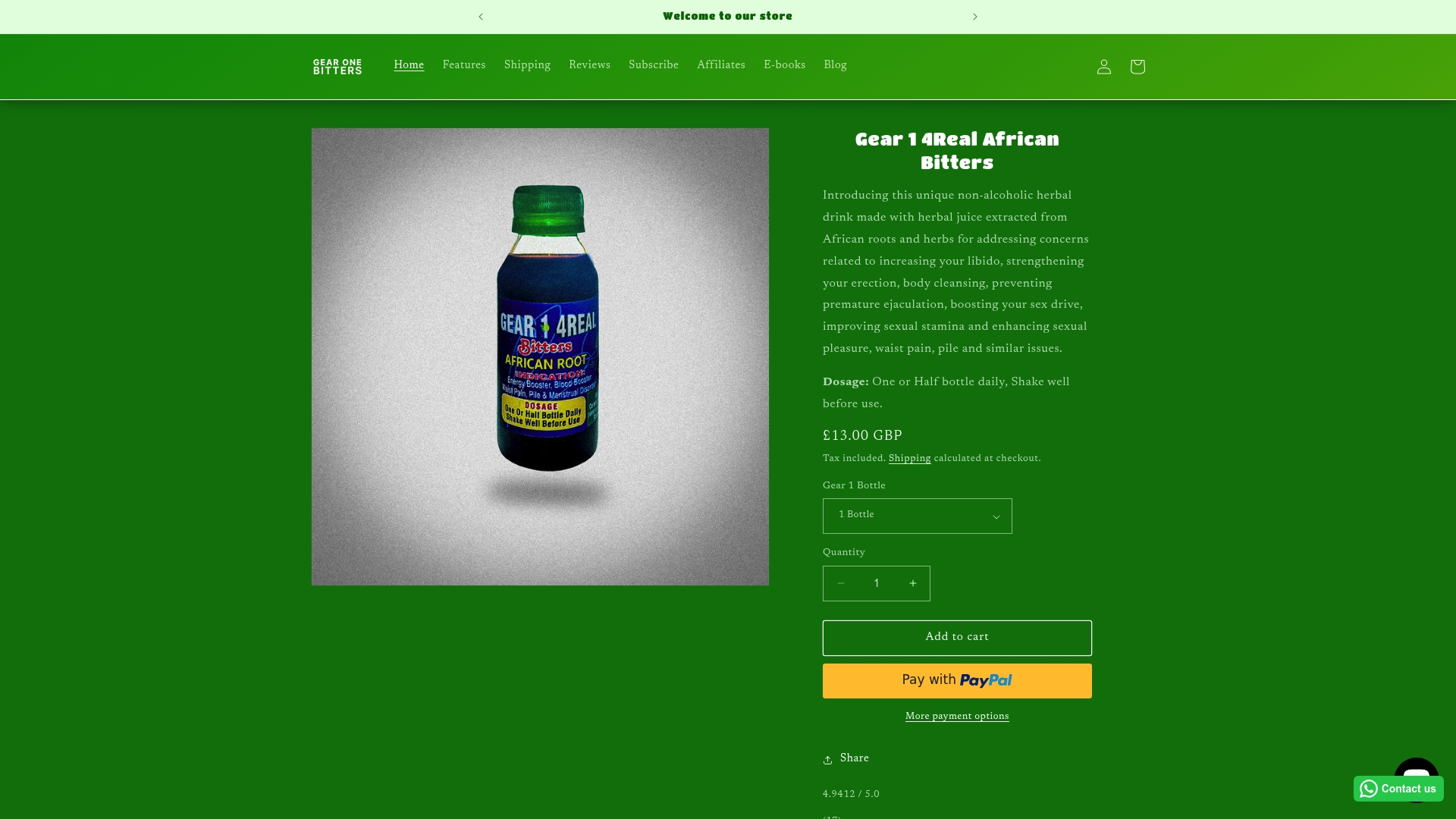
Incorporating it into your routine is straightforward: use it as directed alongside your existing training and nutrition plan, not as a replacement for either. As with any herbal supplement, check for interactions if you are on medication, and speak to your GP if you have any underlying health concerns. For full product details and to place an order, visit the Gear1 product features page and see whether it fits your goals.
Useful sources
| Source | What it contributes |
|---|---|
| Ashwagandha VO2max trial (PubMed) | Double-blind RCT showing VO2max and quality-of-life improvements at 8–12 weeks; key evidence for ashwagandha dosing and timeline. |
| Gynostemma AMPK trial (MDPI Nutrients) | Randomised crossover study linking ~4% time-trial improvement to AMPK/mitochondrial signalling; strongest mechanistic evidence for Gynostemma. |
| Moringa running trial (JHSE) | Double-blind trial showing reduced oxidative stress markers and improved 10 km times after 8 weeks. |
| Adaptogenic herbs review (ScienceDirect) | Broad review of adaptogens including ashwagandha, cordyceps, ginseng, Rhodiola, and turmeric; covers cortisol modulation and side effects. |
| Endurance-enhancing plants (Frontiers in Nutrition) | Narrative review linking polysaccharide-rich herbs to anti-fatigue and mitochondrial pathways; notes need for more standardised human trials. |
| Herbal supplement limitations (PMC) | Review noting dose- and time-dependence; supports the 8–12 week consistent-use recommendation. |
| Integrative herbal perspective (Springer) | Sports science commentary confirming herbs as adjuncts to training and nutrition, not replacements. |
| Cordyceps adaptogen review (Open Medicinal Chemistry Journal) | Review of cordyceps aerobic performance data across randomised trials; notes variable sample sizes. |
| Rhodiola/Cordyceps RCT (MDPI Nutrients) | Eight-week double-blind trial showing body composition improvements with Rhodiola/Cordyceps plus endurance training in sedentary adults. |
Recommended
- Stamina boosting herbs for men: top 10 picks – Gear 1 4Real African Bitters
- Sexual stamina explained: your natural guide – Gear 1 4Real African Bitters
- Herbal boost for bedroom passion: a complete guide – Gear 1 4Real African Bitters
- Benefits of herbal sexual enhancement drinks: 2026 guide – Gear 1 4Real African Bitters
About Gear 1 4Real African Bitters — a non-alcoholic herbal bitters made from African root and herb extracts, blended to a traditional recipe rooted in generations of use. See the product and full ingredients list.
Food supplement. Not intended to diagnose, treat, cure or prevent any disease.