
Emotional connection is the single most powerful predictor of sexual satisfaction, outweighing physical attractiveness and sexual frequency alike. Understanding how emotional connection enhances sex means recognising that the nervous system needs to feel safe before genuine arousal can occur. Emotional intimacy signals safety to the body, creating the conditions where desire, pleasure, and presence can all flourish together. Attachment theory confirms that the quality of your emotional bond shapes every aspect of your sexual experience, from how freely you express desire to how deeply you feel pleasure. This guide explains the science, clears up common misconceptions, and gives you practical ways to build that connection starting today.
How emotional connection enhances sex: the science behind it
The body does not separate emotion from physical response. Sex therapists use the dual control model to explain sexual arousal: the nervous system has both accelerators, which respond to erotic cues, and brakes, which suppress arousal when the mind detects threat or discomfort. Emotional safety lowers inhibitory brakes, allowing the accelerator to work without interference. When you feel emotionally secure with a partner, your nervous system shifts from a guarded state into one that is open and receptive.
Co-regulation is the physiological process by which two nervous systems calm each other through closeness, warmth, and attunement. Partner warmth physically soothes the nervous system, reducing cortisol and increasing openness during sex. This is not metaphor. Physical touch from a trusted partner genuinely changes your body’s stress response in real time.
Desire and arousal are not the same thing, and confusing them causes real problems. Arousal is a physical state. Desire is emotional and mental, rooted in wanting connection rather than simply reacting to stimulation. Grounded desire allows partners to stay present and experience pleasure without the interference of anxiety or performance pressure. Prioritising authentic presence over intensity is what separates satisfying sex from merely functional sex.
- Emotional safety reduces the nervous system’s inhibitory response, making arousal more accessible.
- Co-regulation between partners lowers anxiety and increases physical openness.
- Desire is emotional; arousal is physical. Both are needed for genuinely satisfying sex.
- Secure attachment creates a feedback loop where emotional closeness deepens physical pleasure.
Pro Tip: Before intimacy, spend five minutes in calm physical contact, such as holding hands or sitting close, without any sexual intent. This activates co-regulation and signals safety to both nervous systems.
Does emotional connection matter more than physical attraction?
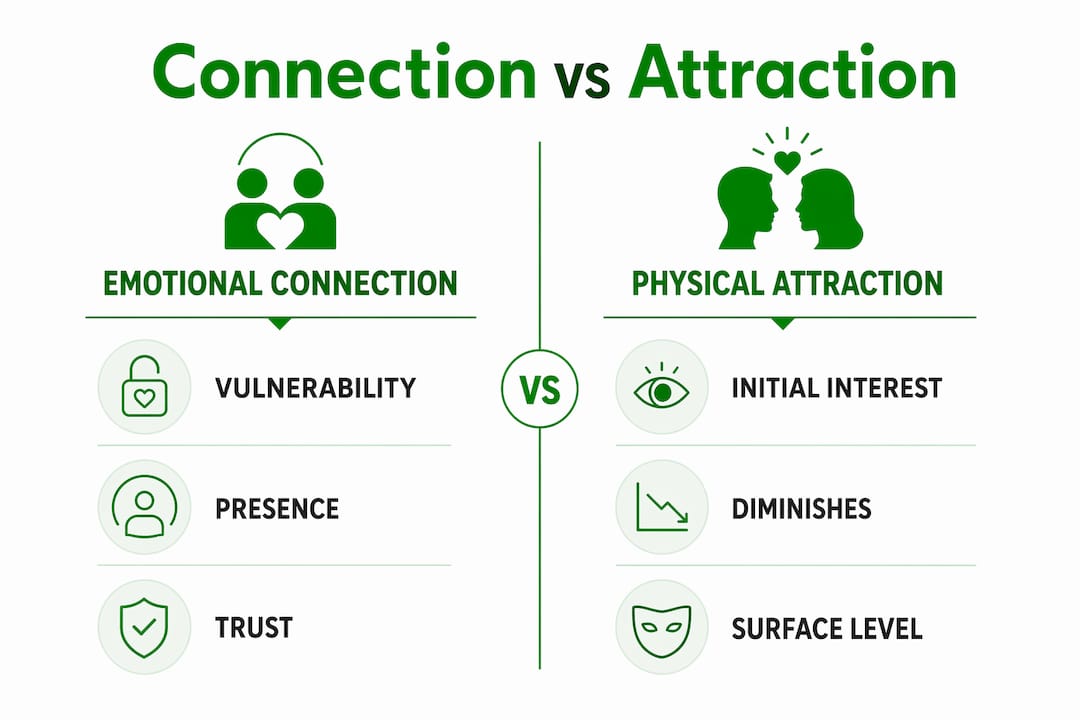
Physical attraction draws people together, but it is a poor predictor of long-term sexual satisfaction. Emotional intimacy predicts satisfaction far more reliably than physical factors alone. Attraction fades or fluctuates; emotional safety compounds over time.

Emotional connection enables vulnerability, and vulnerability is what allows genuine presence during sex. Without it, people often go through the motions while mentally elsewhere. Attachment styles, developed in early relationships and described in attachment theory, shape how comfortable people feel with closeness and how they respond to perceived rejection. Anxious attachment can create a cycle where sex becomes a way to seek reassurance rather than a shared experience of pleasure.
| Factor | Effect on sexual satisfaction |
|---|---|
| Physical attraction | Creates initial interest; diminishes as a predictor over time |
| Emotional intimacy | Strongest long-term predictor of satisfaction and desire |
| Attachment security | Enables vulnerability, presence, and adventurous intimacy |
| Conflict resolution | Couples who repair quickly return to satisfying sex faster |
Anxiety can also be mistaken for desire. The heightened physical activation that comes with uncertainty or emotional intensity can feel like attraction. Anxiety and activation can be mistaken for genuine desire, but true grounded desire allows curiosity and connection without destabilising fear. Recognising the difference protects you from confusing emotional turbulence with genuine intimacy.
Pro Tip: After a disagreement, prioritise emotional repair before attempting physical intimacy. Couples with secure bonds recover quickly from conflict and return to satisfying sex faster than those who leave tension unresolved.
Practical ways to build emotional connection for better sex
Building emotional intimacy is a daily practice, not a single conversation. The most effective approach combines small consistent gestures with deliberate moments of vulnerability and presence.
-
Make daily micro-deposits. Small everyday gestures build an emotional reserve that underpins trust and adventurous vulnerability in sex. A text during the day, a genuine compliment, or five minutes of undivided attention all count. These micro-deposits accumulate into the psychological safety that makes great sex possible.
-
Practise open communication about desire. Sexual satisfaction grows when partners listen and respond to each other’s needs with respect and safety. Talking about what you want, and what you do not want, removes the guesswork and replaces it with genuine attunement. This conversation does not need to happen in the bedroom.
-
Reduce relational conflict before it accumulates. Unresolved tension acts as a brake on desire. Address small grievances early so they do not build into emotional distance. A relationship where repair happens quickly is one where desire stays alive.
-
Invest in non-sexual intimacy. Physical closeness without sexual intent, such as massage, dancing, or simply sitting together, builds the co-regulation that makes sexual intimacy feel natural rather than pressured. Exploring natural ways to rekindle romance through shared rituals and physical closeness strengthens the emotional foundation that sex depends on.
-
Practise grounded presence during intimacy. Put devices away. Slow down. Focus on sensation and your partner rather than on performance or outcome. Presence is the gateway to erotic connection, and it is a skill that improves with deliberate practice.
Pro Tip: Understanding how mood affects sexual desire can help you identify which daily habits are quietly suppressing your desire before intimacy even begins.
Common challenges that block emotional intimacy in sex
The most common obstacle is misreading reduced desire as a sign that attraction or love has faded. Sexual frequency reflects emotional safety; when the emotional bond weakens, sexual intimacy declines. The body often closes down desire before the conscious mind registers the relational stress causing it.
A second major challenge is presence. People labelled as having low libido often have a presence problem rather than a desire problem. Cognitive overwhelm from work, stress, or unresolved worry prevents the mind from being emotionally and physically attuned to a partner. Solo pleasure does not require the same mental bandwidth, which is why desire can feel inconsistent within a relationship.
- Reduced desire is usually a brake issue, triggered by relational stress or emotional disconnection, not a sign of lost attraction.
- Mental distraction and stress prevent the nervous system from entering the open state needed for genuine arousal.
- Emotional disconnect cycles, where one partner withdraws and the other pursues, erode intimacy over time without deliberate repair.
- A performance mindset, focusing on how you appear rather than how you feel, kills presence and genuine connection.
- Sexual difficulties often arise from sensitive brakes triggered by unresolved relational fears, not physical libido problems.
The solution in most cases is not more effort during sex. It is more emotional investment outside of it. Rebuilding the sense of safety and attunement between partners restores desire more reliably than any technique applied in the bedroom.
Key takeaways
Emotional connection is the foundation of sexual satisfaction, and building it consistently outside the bedroom is what makes intimacy inside it genuinely fulfilling.
| Point | Details |
|---|---|
| Emotional safety drives arousal | The nervous system needs to feel safe before genuine desire and arousal can occur. |
| Desire and arousal are distinct | Desire is emotional; confusing anxiety with desire leads to unsatisfying or pressured sex. |
| Micro-deposits build intimacy | Small daily gestures accumulate into the psychological safety that enables great sex. |
| Presence matters more than technique | Mental attunement to your partner transforms physical touch into meaningful connection. |
| Repair conflict quickly | Couples who resolve tension fast return to satisfying intimacy more reliably than those who do not. |
Why I believe emotional connection is the most underrated part of sex
People spend enormous energy on technique, timing, and physical performance. Very few invest the same energy in the emotional groundwork that makes all of those things actually work. In my experience, the couples who report the most satisfying sex are not the ones with the most adventurous repertoire. They are the ones who feel genuinely safe with each other.
What surprises most people is that emotional connection rewires the nervous system over time, creating new pathways of secure attachment and trust. This is not a soft concept. It is a physiological reality. The more consistently you invest in emotional safety, the more accessible genuine desire becomes, without effort or pressure.
The uncomfortable truth is that vulnerability is the price of real intimacy. Most people avoid it because it feels risky. But the freedom that comes from being truly known by your partner, and choosing them anyway, is what separates sex that is merely physical from sex that is genuinely satisfying. Prioritise connection over performance, and the performance takes care of itself.
— Ayomide
Gear1 and the physical side of emotional wellness
Emotional connection sets the foundation, and your physical health supports everything built on top of it. When your body feels well, your confidence rises, your stress reduces, and your capacity for genuine presence with a partner improves.

Gear1 is a non-alcoholic herbal drink made from African roots and herbs, formulated to support libido, sexual stamina, erection strength, and overall vitality. It works alongside the emotional work you are already doing, helping your body show up fully for the intimacy your relationship deserves. If you are ready to support both sides of your sexual wellbeing, explore Gear1 and see how natural herbal support can complement the emotional connection you are building.
FAQ
What is the link between emotional intimacy and sexual satisfaction?
Emotional intimacy is one of the strongest predictors of sexual satisfaction, more reliable than physical attractiveness or frequency. It creates the nervous system safety that allows genuine arousal and desire to occur.
Can emotional disconnection cause low libido?
Yes. Sexual difficulties often arise from relational fears and emotional disconnection rather than physical causes. Rebuilding emotional safety typically restores desire more effectively than addressing physical factors alone.
How does attachment style affect sex?
Attachment styles shape how comfortable people feel with closeness and vulnerability during intimacy. Anxious or avoidant attachment patterns can suppress desire, create performance pressure, or cause partners to use sex for reassurance rather than genuine connection.
Is low desire always a libido problem?
Not usually. People with low desire often have a presence problem caused by stress and cognitive overwhelm, not a physical libido deficiency. Addressing mental attunement and emotional safety resolves the issue in many cases.
How quickly can emotional connection improve a couple’s sex life?
Improvement can begin within days of consistent emotional investment. Small everyday gestures build psychological safety rapidly, and couples who practise daily micro-deposits and open communication typically notice a shift in desire and presence within a few weeks.
Recommended
- Why romantic environment improves sex: the science – Gear 1 4Real African Bitters
- Role of mood in sexual desire: what you need to know – Gear 1 4Real African Bitters
- Natural ways improving couple intimacy: 2026 guide – Gear 1 4Real African Bitters
- The role of relaxation in better sex: a practical guide – Gear 1 4Real African Bitters