
Herbal wellness is defined as the use of plant-based compounds to support physiological, hormonal, and emotional balance, and its role in relationship quality is both measurable and significant. Roughly 40% of women experience some form of sexual dysfunction, a figure that points to a widespread, underaddressed gap in intimate wellbeing. Traditional systems such as Ayurveda and African botanical medicine have long addressed this gap through herbs that regulate hormones, improve circulation, and calm the nervous system. Gear1 draws on exactly this tradition, combining African roots and herbs into a non-alcoholic herbal drink designed to support sexual vitality and stamina. Understanding how these plants work gives couples a practical, evidence-grounded path to deeper connection.
How do specific herbs influence intimacy and emotional connection?
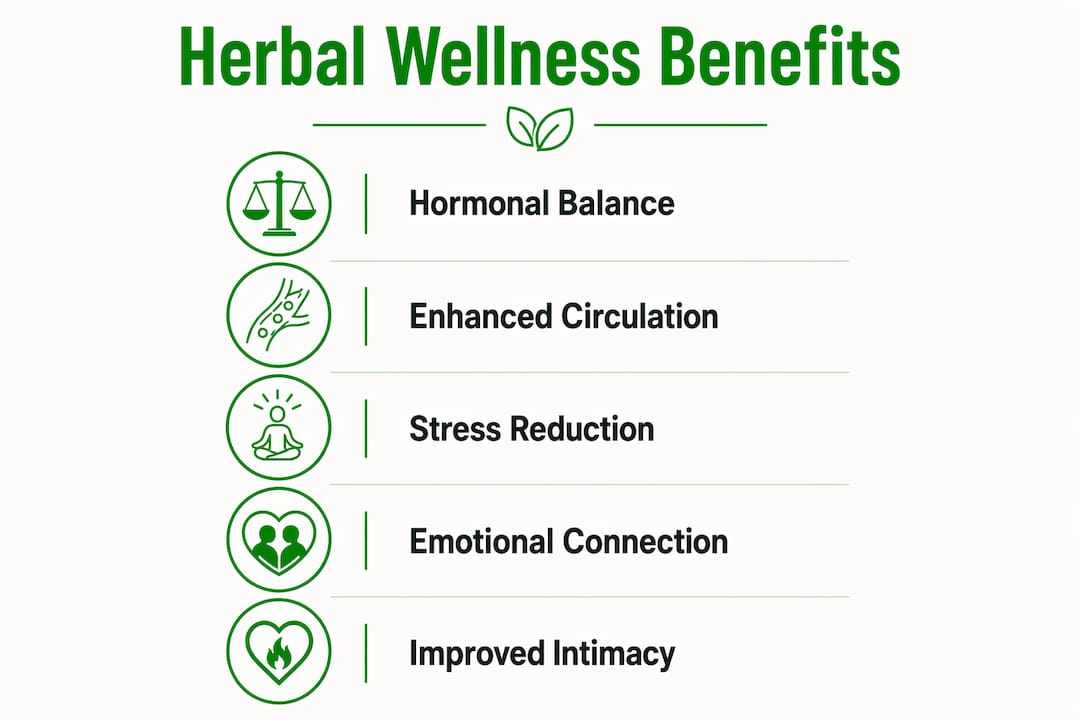
Herbal remedies for relationships work by targeting the physiological systems that underpin desire, stamina, and emotional closeness. Three mechanisms matter most: hormonal regulation, circulatory support, and stress reduction. Each one feeds directly into the quality of intimate connection a couple experiences.
Hormonal regulation and sexual function
Shatavari (Asparagus racemosus) is one of the most studied herbs for female sexual health. Standardised Shatavari root extract improves sexual function by modulating oestrogen-related hormonal parameters. That modulation translates directly into improved lubrication, desire, and satisfaction. Ashwagandha (Withania somnifera) complements Shatavari by reducing cortisol, the stress hormone that suppresses testosterone and libido in both men and women. Shatavari and Ashwagandha together show additive benefits across mood, hormonal balance, and sexual satisfaction because they act on distinct but complementary neuroendocrine pathways.
Circulation, stamina, and African botanicals
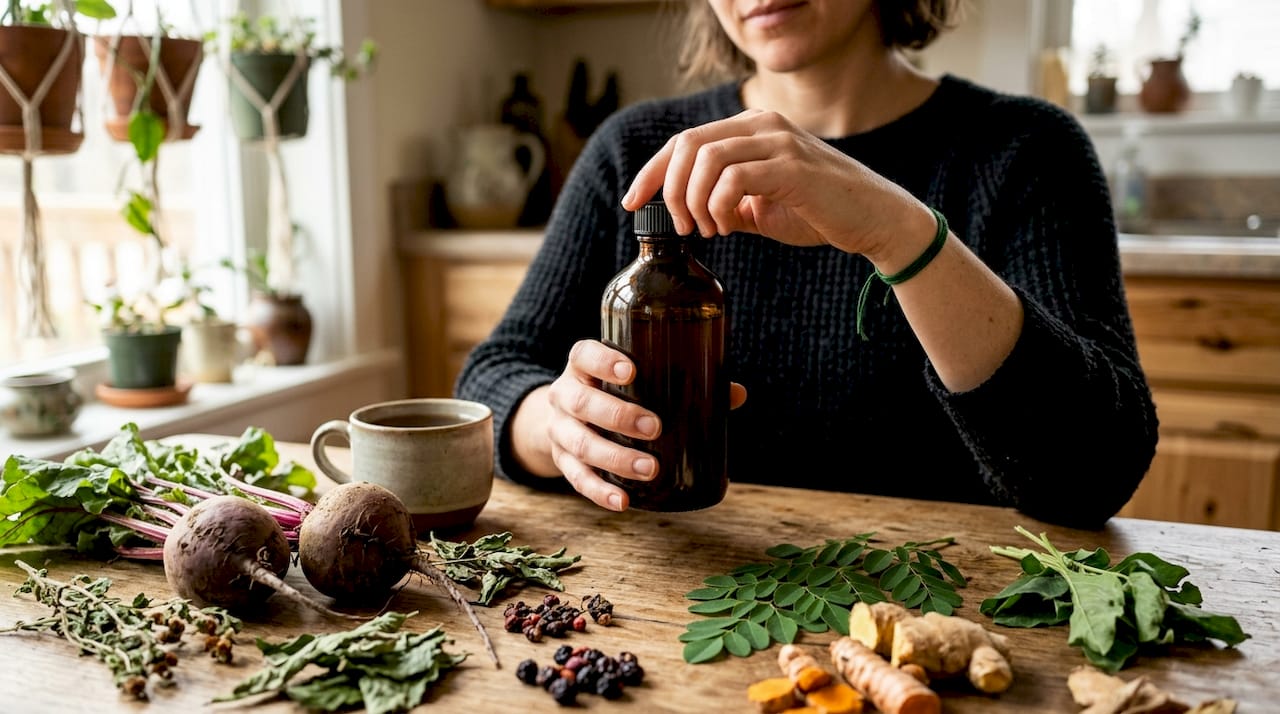
Good circulation is the physical foundation of sexual arousal and stamina. Fermented beet root raises nitric oxide levels, which relaxes blood vessel walls and increases blood flow to the genitals. Gondolosi, a traditional African botanical with growing international demand, supports erectile function and sexual vitality through similar circulatory pathways. Gear1 incorporates African roots and herbs with these properties into its formulation, making the benefits accessible without alcohol or synthetic additives. Couples who address circulation alongside hormonal balance report more consistent arousal and endurance.
Stress reduction and the nervous system
A stressed nervous system is the single biggest barrier to intimacy. Adaptogens like Ashwagandha and nervines like Passionflower down-regulate the stress response, creating the physiological calm that desire requires. Albizia, another nervine, supports the release of bonding hormones such as oxytocin, which deepens emotional closeness between partners. The sequence matters: stress regulation must come first, before circulatory or hormonal herbs can work at their best. Skipping this step is one of the most common reasons people feel underwhelmed by herbal supplements for couples.
- Shatavari modulates oestrogen and improves female sexual function.
- Ashwagandha reduces cortisol and supports testosterone in both sexes.
- Gondolosi and fermented beet root improve genital blood flow and stamina.
- Passionflower and Albizia calm the nervous system and support bonding hormones.
- African botanical formulations like Gear1 combine these effects in a single, non-alcoholic drink.
Pro Tip: Take adaptogenic herbs such as Ashwagandha consistently in the evening. Cortisol naturally peaks in the morning, and evening dosing helps flatten the curve overnight, so you wake with a calmer baseline.
What is the ABCCAS and how does it measure relational wellness?
The Ayurveda-Based Couple Compatibility Assessment Scale, known as ABCCAS, is a 110-item instrument spanning 10 domains that measures relational wellness through constitutional biology and psychophysiological compatibility. It represents a shift from purely behavioural relationship assessments toward ones that account for the body’s internal environment. That shift matters because two people can communicate well yet still experience friction rooted in mismatched metabolic rhythms, sleep patterns, or dietary needs.
| ABCCAS domain | Relevance to herbal wellness |
|---|---|
| Constitutional type (Prakriti) | Guides herb selection based on individual physiology |
| Metabolic compatibility | Identifies digestive and energy mismatches affecting intimacy |
| Emotional temperament | Highlights nervine and adaptogen needs for each partner |
| Dietary and lifestyle alignment | Supports consistent herbal routines and shared wellness habits |
| Intimacy and reproductive wellness | Directly measures sexual satisfaction and connection quality |
Modern integrative research aims to translate Ayurvedic principles into measurable frameworks like ABCCAS precisely because constitutional compatibility predicts relationship satisfaction in ways that standard psychology scales miss. A couple where one partner runs hot and restless while the other runs cold and sluggish may need different herbal support to reach a shared state of calm and desire. Herbal wellness aligns with ABCCAS criteria by addressing each partner’s specific physiological needs rather than applying a one-size-fits-all approach. This is where natural wellness and love intersect with genuine science.
Why is global demand for herbal intimacy support rising?
Consumer interest in traditional herbal intimacy products is growing across Africa, Asia, and Western markets simultaneously. The driver is not fashion. It is a growing dissatisfaction with pharmaceutical options that carry side effects, and a renewed respect for plant-based traditions that have centuries of use behind them.
African botanicals are at the centre of this shift. A Malawian herbal firm reported rising worldwide demand for sexual wellness products derived from herbs like Gondolosi as of may 2026. That demand reflects a broader pattern: consumers want products rooted in cultural knowledge and backed by at least preliminary scientific evidence.
The challenge is validation. Traditional Ayurveda Vajikarana therapies have a long history in reproductive health, but the field still needs larger randomised controlled trials to satisfy modern clinical standards. That gap between traditional use and formal validation is closing, but slowly. The most credible products in this space combine documented traditional use with transparent ingredient sourcing and, where available, clinical data.
- African herbs like Gondolosi are gaining traction in international wellness markets.
- Ayurvedic herbs such as Shatavari and Ashwagandha have growing clinical support.
- Consumers cite fewer side effects and cultural alignment as primary motivations.
- The demand for African herbs and libido support is particularly strong among men aged 30 to 55.
- Brands that combine traditional wisdom with quality sourcing earn the strongest consumer trust.
How do you build a herbal wellness routine for your relationship?
Herbal wellness for intimacy works as a foundation-building practice, not a quick fix. The physiological changes that improve desire, stamina, and emotional connection develop over weeks, not days. Setting that expectation at the start prevents the frustration that causes most people to quit too early.
- Start with stress regulation. Begin with an adaptogen such as Ashwagandha for the first two weeks. Reducing cortisol creates the hormonal space for libido-supporting herbs to work effectively.
- Add circulatory support. After two weeks, introduce herbs that support blood flow, such as fermented beet root or a formulation like Gear1 that combines African roots for circulation and stamina.
- Introduce hormonal herbs. Shatavari can be added from week three onward for female partners. Natural herbs for sex drive work most effectively once the stress and circulatory foundations are in place.
- Maintain consistency for 4–8 weeks. Herbal effects on hormonal and circulatory balance develop over a 4–8 week window. Sporadic use produces minimal results.
- Align lifestyle habits. Sleep, diet, and moderate exercise amplify herbal benefits. A couple that shares these habits creates the conditions for the herbs to work at their best.
- Source quality products. Choose formulations with transparent ingredient lists and no synthetic additives. Gear1 uses herbal juice extracted from African roots and herbs with no alcohol, which reduces the risk of interactions and supports consistent daily use.
- Consult a health professional. Anyone on medication or managing a chronic condition should speak to a doctor before adding herbal supplements to their routine.
Pro Tip: Treat your herbal routine the way you treat exercise: schedule it, track it, and give it at least six weeks before judging the results. The couples who see the most benefit are the ones who stay consistent.
Key takeaways
Herbal wellness improves relationship quality by addressing hormonal balance, circulatory health, and stress regulation as interconnected systems rather than isolated problems.
| Point | Details |
|---|---|
| Stress regulation comes first | Adaptogens like Ashwagandha must reduce cortisol before libido herbs can work effectively. |
| Hormonal herbs need time | Shatavari and similar botanicals require 4–8 weeks of consistent use to produce measurable hormonal change. |
| African botanicals are clinically relevant | Herbs like Gondolosi support circulation and sexual vitality with growing international research interest. |
| ABCCAS offers a measurable framework | This 110-item Ayurvedic scale assesses constitutional and emotional compatibility to guide herbal selection for couples. |
| Quality sourcing determines outcomes | Non-alcoholic, transparently sourced formulations like Gear1 reduce risk and support daily consistency. |
Herbal wellness and intimacy: what I have actually observed
People come to herbal intimacy support expecting a switch they can flip. That expectation is the first thing worth correcting. The herbs that genuinely improve sexual connection, Ashwagandha, Shatavari, Gondolosi, and their African counterparts, are not stimulants. They are regulators. They work by bringing the body back to a state where desire and connection arise naturally, rather than forcing a response.
What I have seen repeatedly is that the couples who benefit most are not the ones who take the highest doses. They are the ones who address stress first. A person running on chronic stress has a nervous system that treats intimacy as a low priority. No herb overrides that signal directly. Ashwagandha and Passionflower work by calming the system down, and only then does the body redirect energy toward connection.
The other observation worth sharing is about the African herbal tradition specifically. There is a tendency in Western wellness circles to treat African botanicals as exotic curiosities rather than as a serious pharmacological tradition. The rising global demand for herbs like Gondolosi is beginning to change that perception, and rightly so. Gear1’s formulation draws on this tradition with genuine depth, not as a marketing angle but as the actual source of its efficacy.
My honest advice: read the herbal bedroom passion guide before you start any routine. Understanding the sequencing of stress, circulation, and hormonal support will save you weeks of trial and error. Realistic expectations and consistent practice are what separate the people who see results from the people who give up after a fortnight.
— Ayomide
Gear1 and natural support for your relationship
Gear1 is a non-alcoholic herbal drink made from African roots and herbs, formulated to address libido, erection strength, sexual stamina, and premature ejaculation. It draws on the same botanical traditions that Ayurvedic and African herbal medicine have used for centuries, now in a convenient, daily-use format.
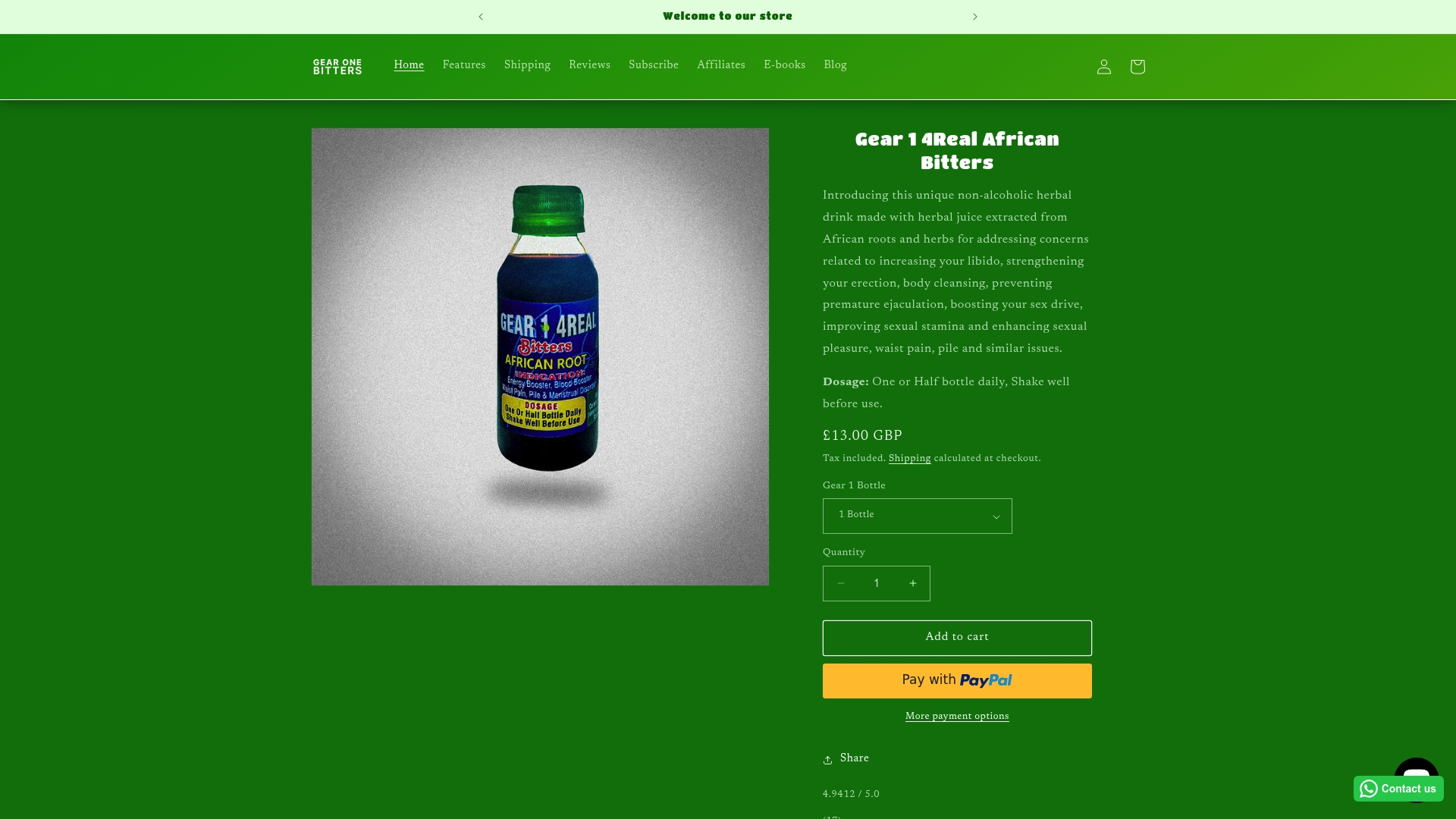
For couples looking to support their intimate connection through natural means, Gear1 offers a formulation that addresses circulation, hormonal balance, and stamina without synthetic additives or alcohol. The ingredients are sourced from African botanical traditions with a track record that predates modern pharmaceuticals. Browse the full range and learn more about how each ingredient works at Gear1.shop. Your relationship deserves a foundation built on something real.
FAQ
What is the role of herbal wellness in relationship quality?
Herbal wellness supports relationship quality by regulating hormones, improving circulation, and reducing stress, the three physiological systems that most directly influence sexual desire and emotional connection. Consistent use of herbs like Ashwagandha and Shatavari addresses these systems over a 4–8 week period.
How long does it take for herbal supplements to improve intimacy?
Herbal effects on hormonal and circulatory balance develop over 4–8 weeks of consistent use. Sporadic or short-term use rarely produces noticeable results.
Can both partners benefit from herbal wellness routines?
Yes. Herbs like Ashwagandha reduce cortisol and support testosterone in both men and women, while Shatavari specifically supports female hormonal balance. Couples who build shared herbal routines report stronger alignment in energy and desire.
What makes African herbs effective for sexual vitality?
African botanicals like Gondolosi support sexual vitality primarily through circulatory mechanisms, improving blood flow to the genitals and supporting stamina. Global demand for these herbs reflects growing recognition of their efficacy beyond their regions of origin.
Is Gear1 safe to use daily?
Gear1 is a non-alcoholic herbal drink with no synthetic additives, designed for consistent daily use. Anyone managing a chronic health condition or taking prescription medication should consult a health professional before starting any herbal supplement routine.
Recommended
- Benefits of herbal sexual enhancement drinks: 2026 guide – Gear 1 4Real African Bitters
- Herbal aphrodisiac bedroom guide: boost libido naturally – Gear 1 4Real African Bitters
- How herbal remedies address ED: 2026 guide – Gear 1 4Real African Bitters
- Herbal boost for bedroom passion: a complete guide – Gear 1 4Real African Bitters
About Gear 1 4Real African Bitters — a non-alcoholic herbal bitters made from African root and herb extracts, blended to a traditional recipe rooted in generations of use. See the product and full ingredients list.
Food supplement. Not intended to diagnose, treat, cure or prevent any disease.